
Operation HOPE Locates Eight Missing Children in Arkansas
A four-day, multi-agency operation in Arkansas located eight missing and endangered children, showing what coordinated child recovery work can achieve.
Überblick über die Plattform
Erfahren Sie, warum Penlink der weltweit führende Anbieter von KI-gestützter digitaler Intelligenz und Ermittlungen ist





Penlink Academy
Your complete destination for Penlink training, with live sessions, on-demand modules, and certifications designed to give professionals the tools and confidence to succeed in real investigations.





When investigators hear “tracker,” the first thought is usually a GPS unit hidden under a bumper. But location data doesn’t live in just one place anymore. Vehicles, apps, and even household items can leave behind digital footprints that tell a story.
Here are six places investigators have found valuable location data, often in unexpected ways:
Modern vehicles are constantly logging information. Head units can store routes, synced phone contacts, and even call histories. In one case, vehicle data and phone records came together to give investigators a second-by-second timeline that proved stronger than eyewitness accounts.
Rental companies often keep GPS logs tied to their vehicles. With the proper legal request, those records can confirm a car’s precise longitude and latitude information during critical windows of time. What might look like just another rented SUV can carry a detailed travel history.
Food delivery and rideshare services track every pickup and drop-off. Those records can help show if someone was dropped near a crime scene, or if a delivery order happened in the middle of an incident. Sometimes a late-night burrito run turns out to be a crucial piece of evidence.
Watches, fitness apps, and even connected shoes record more than steps. They can show movement patterns, sudden stops, or changes in heart rate. In past cases, these devices have helped fill in blanks when nothing else could.
Designed for parents and families, these apps often store precise location histories. They have already been used in missing person cases to guide search teams straight to the right area, saving days or even weeks of work.
Bluetooth tags, smart luggage, and other connected gadgets often keep travel data. On their own, these details may not seem like much. Combined with other digital evidence from your case, they can help complete a timeline and strengthen your findings.
Each of these sources is just one thread. Pulled together, they create a fuller picture of events that can be shown in court. The data described above is often very precise, giving exact coordinates that can pinpoint a suspect’s or victim’s location. For investigators, it’s a reminder that location data is everywhere, and it’s a matter of knowing where to look and how to bring it all together.
Ready to see how Penlink brings these data sources into a single view? Request a demo.
A four-day, multi-agency operation in Arkansas located eight missing and endangered children, showing what coordinated child recovery work can achieve.
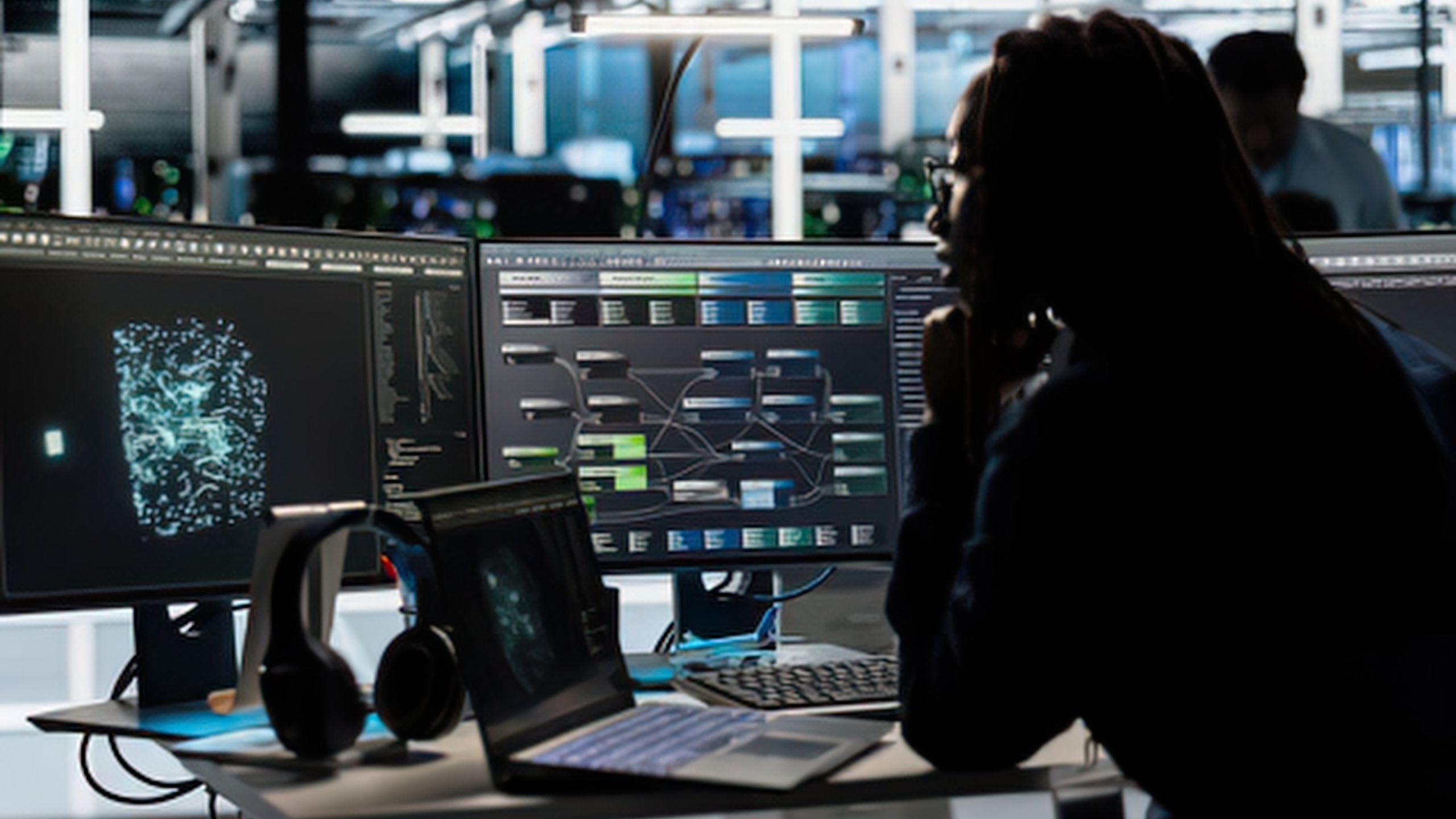
Generative AI can take on the volume that slows intelligence analysis, but UK and European standards are clear: the analyst stays accountable. Here’s where AI helps and where human judgement must still rule.

Analysts no longer struggle to find information. They struggle to find the right information fast enough to matter, and that is where human-machine teaming changes the work.

A bomb threat texted to 911 during a World Cup match at MetLife Stadium led to a rapid multi-agency response and an arrest. The case shows how quickly event security teams must move from threat to answer.
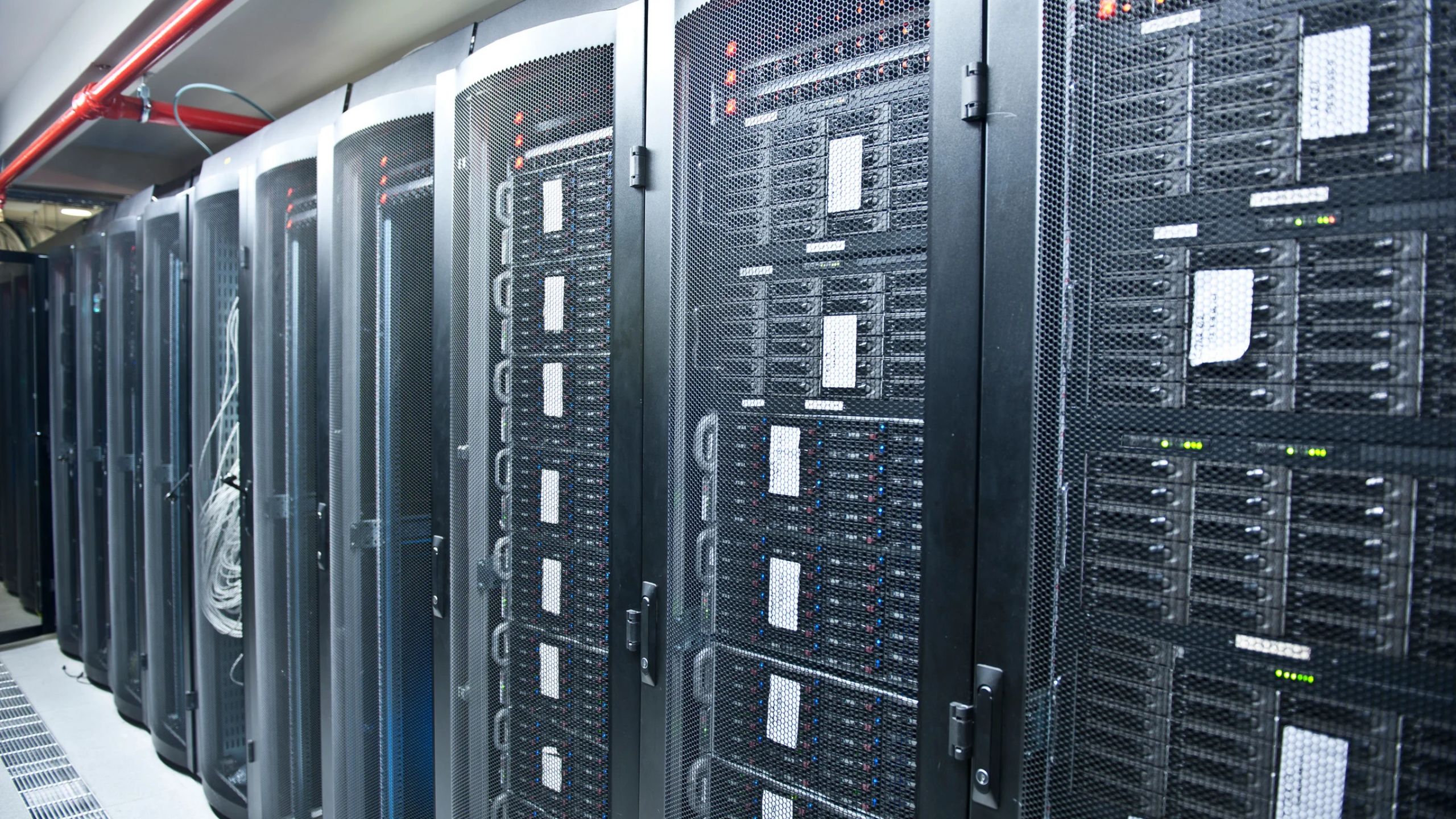
Las amenazas contra los centros de datos van desde amenazas de bomba hasta ataques con drones. La mayoría aparece primero en fuentes abiertas, para los equipos que saben dónde buscar.
Threats to data centers now range from bomb threats to drone strikes. Most of them show up in open sources first, for teams that know where to look.