Your complete destination for Penlink training, with live sessions, on-demand modules, and certifications designed to give professionals the tools and confidence to succeed in real investigations.
Missed the 2026 Penlink Training Summit? Here's What You Need to Know
Date Posted: April 8th, 2026
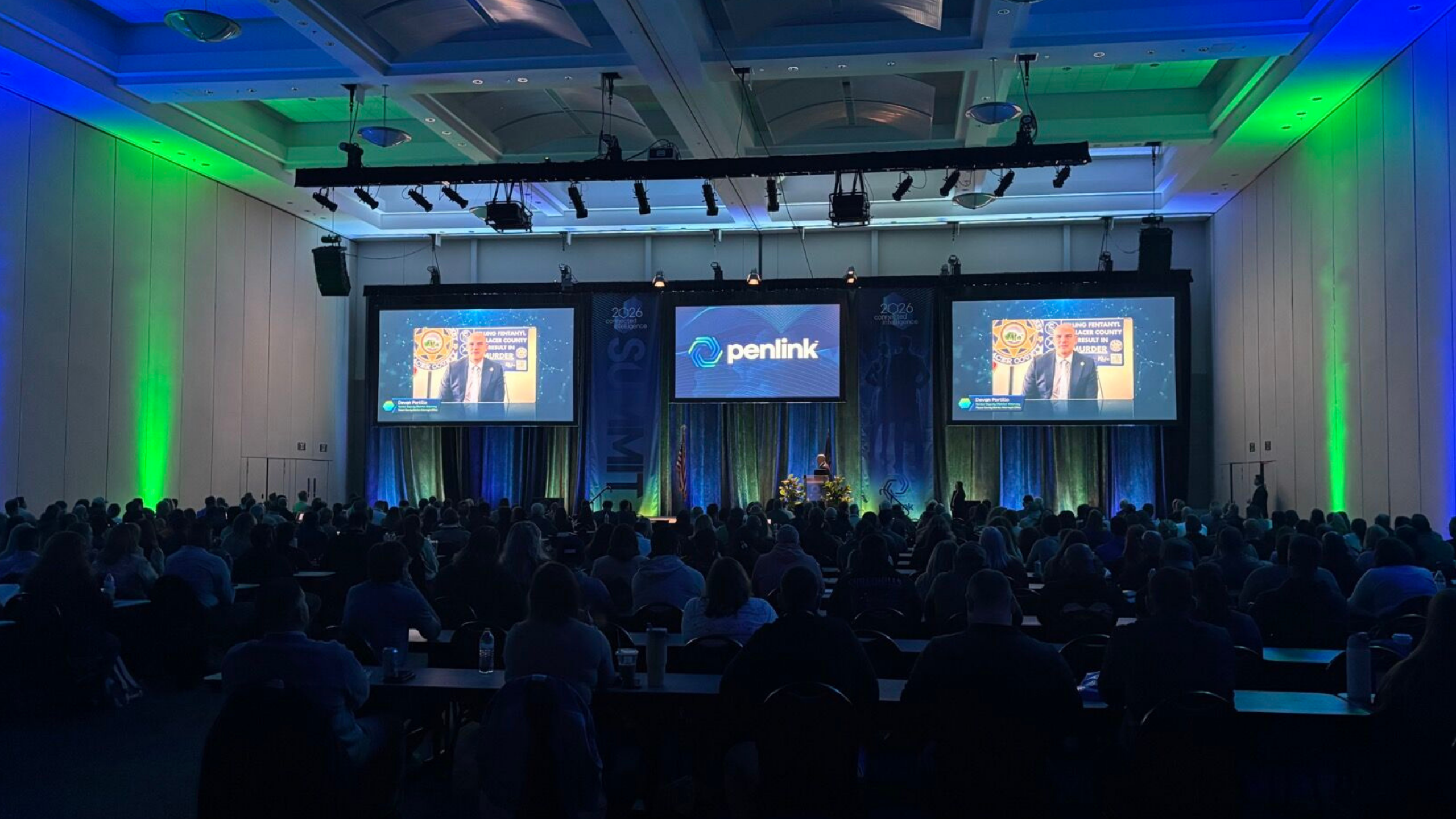
The 2026 Penlink Training Summit brought together federal investigators, state analysts, local detectives, and agency leaders for two days. The sessions delivered real substance. The speakers did not hold back. The conversations between sessions were the kind you simply cannot replicate on a webinar or a conference call. If you were there, you already know what the room felt like. If you were not, here is what you missed.
What follows are the five takeaways that defined the Penlink Training Summit this year. Not a session list. Not a schedule recap. The insights that resonated, the challenges that were called out, and the direction the LE industry is moving.
When the System Breaks Down, Cases Break With It
Peter J. Forcelli closed the Summit with a session that most attendees will not forget. A retired ATF Deputy Assistant Director and former NYPD homicide detective, Forcelli was one of the whistleblowers in the Operation Fast and Furious case. He did not revisit the past. He used it to underscore a larger point: what happens when the principles that anchor investigations begin to break down.
The Operation Fast and Furious breakdown was not a technology failure. It was not a data problem. It was a failure of accountability, transparency, and the basic obligation investigators have to each other and to the public they serve. Guns walked across the border. A Border Patrol agent was killed. And the systems that should have caught it, the collaboration, the oversight, the willingness to speak up, had already broken down long before the consequences became visible.
Forcelli’s message was direct: connected intelligence is not only about data and tools. It is about the integrity of the people using them. Investigators who surface problems, who push back when something is wrong, and who protect the standards of their work even under pressure are not obstacles. They are the system working as it should. The Summit’s theme of connected intelligence only holds if the people doing the connecting can be trusted.
For law enforcement professionals in the room, the session served as a clear reminder that the most important infrastructure in any investigation is not technical. It is the culture of accountability that surrounds it.
The Field Has a Name for the Problem: Data Rich, Analysis Poor
Data available to public safety professionals is growing 20 to 30 percent annually, doubling roughly every three to four years. A single cell phone extraction can yield hundreds of thousands of artifacts. License plate reader networks process billions of reads every month. Open-source data, social media, IoT, body cameras, CCTV. The volume is not slowing down, and the criminals generating it are not waiting for agencies to catch up.
Therefore, the challenge is not access to data. It never was. General Scott Howell, former commander of the Joint Special Operations Command, offered a perspective that shifted the room: over a career running the most sensitive operations in the world, the intelligence he relied on most was not classified. It was open-source intelligence. The classified material described how it was collected. The open-source intelligence revealed to him what was actually happening. That shift in perspective matters for investigators who still treat OSINT as secondary.
Criminal networks leave trails in publicly available data. Targets who have stopped using phones are still using apps, still logging into email, still leaving digital footprints that do not require a court order to find. The issue is that most agencies still are not building the analytical capacity needed to act on the data already within their reach.
“Data rich, analysis poor.” Penlink CEO Peter Weber used that phrase in his opening session and it landed at this year’s Summit and stuck. It is a reframe that points investment in the right direction. Not more collection. Better analysis of everything already in hand.
Cryptocurrency Is Now an Investigative Baseline
Day two opened with a session from Byron Boston, a reserve officer with the Dallas Police Department who has spent the last decade training law enforcement agencies nationwide on cryptocurrency investigations. The message was direct: crypto is no longer a niche financial crime topic. It surfaces in auto theft, drug trafficking, money laundering, and fraud cases across every jurisdiction and every agency level.
The counterintuitive insight from the session was this: investigators who understand cryptocurrency often find it easier to follow than cash. Crypto leaves a digital fingerprint on the blockchain that, with the right tools and approach, can be traced to real-world identities. Cash leaves nothing. Boston reframed crypto not as an obstacle but as evidence, and often highly valuable evidence at that.
Criminals are using cryptocurrency to launder proceeds, pay suppliers, and move value across borders. The agencies building capability now are the ones who will be positioned to act when it surfaces in a case, because it will. The question is not whether crypto appears in an investigation. It is whether the team is prepared to handle it when it does.
Cryptocurrency literacy is becoming a baseline investigative skill, much like digital evidence and cell phone analysis did a decade ago. The learning curve is real, but the tools and resources to accelerate it are already in place.
AI Stopped Being a Question and Became a Tool
Eighteen months ago, law enforcement was skeptical of AI. Not just cautious. Skeptical. The concern was trust, compliance, and whether the technology had any real place in serious investigative work. The Summit told a different story. AI was not a side conversation this year. It was the dominant thread across sessions, and investigators who had been holding off were now asking operational questions, not philosophical ones.
However, the room was clear on what AI actually does. It does not solve investigations. It changes their pace. It processes volume that would otherwise bury an analyst, surfaces connections that would otherwise take days, and frees investigators to do what only investigators can do: apply judgment to what the data is showing. The tool accelerates the human. It does not replace them.
The shift matters because of where the resistance once came from. It was not about capability, it was about trust. Investigators wanted to know that AI-generated analysis could be defended in court, that it was explainable, that it was not producing confident conclusions from flawed inputs. Those questions are resolved by building workflows where the investigator stays in the loop and the AI handles the volume.
The question for agencies is no longer whether AI belongs in investigative work. It is how to build workflows that use it responsibly and effectively. That shift was clear throughout the Summit.
The Room Itself Was the Point
Federal investigators sat next to local detectives. Analysts compared notes with people from agencies they had never worked with. Problems that felt isolated turned out to be shared. Solutions that worked in one jurisdiction got passed to someone who needed them. That kind of exchange does not happen on a webinar. It requires proximity, shared context, and enough trust to have a direct conversation about what is working and what is not.
Every speaker at the Summit came back to the same idea: the most effective work in complex investigations happens between people who already know each other, who have collaborated before the case demands it, and who can pick up the phone because the connection is already there. That kind of network does not build itself. It gets built in rooms like this.
As Derek Maltz put it: the experts are in the room. Use them. Do not sit back and wait for someone to ask. The institutional knowledge carried by experienced investigators, the patterns they recognize, the approaches that have worked and the ones that have not, is one of the field’s most valuable assets. The Summit created the conditions for that knowledge to move.
For those who were not there, the takeaway is practical. Find the people working on the same problems. Make the introduction before the case forces it. The agencies doing this well are not waiting for a crisis to start building their network.
The 2026 Penlink Training Summit covered a lot of ground in two days. Cryptocurrency, AI, data volume, inter-agency trust, and the principles that hold investigations together under pressure. What connected all of it was the recognition that the challenges investigators face right now are moving faster than any single agency, tool, or discipline can handle alone. The field is adapting. Events like this one are part of how.
The most important conversations in law enforcement rarely make the news. They happen in rooms like this one.
If the challenges raised at the Penlink Training Summit are familiar, see how the Penlink platform supports the investigative work your agency is doing. Request a demo.
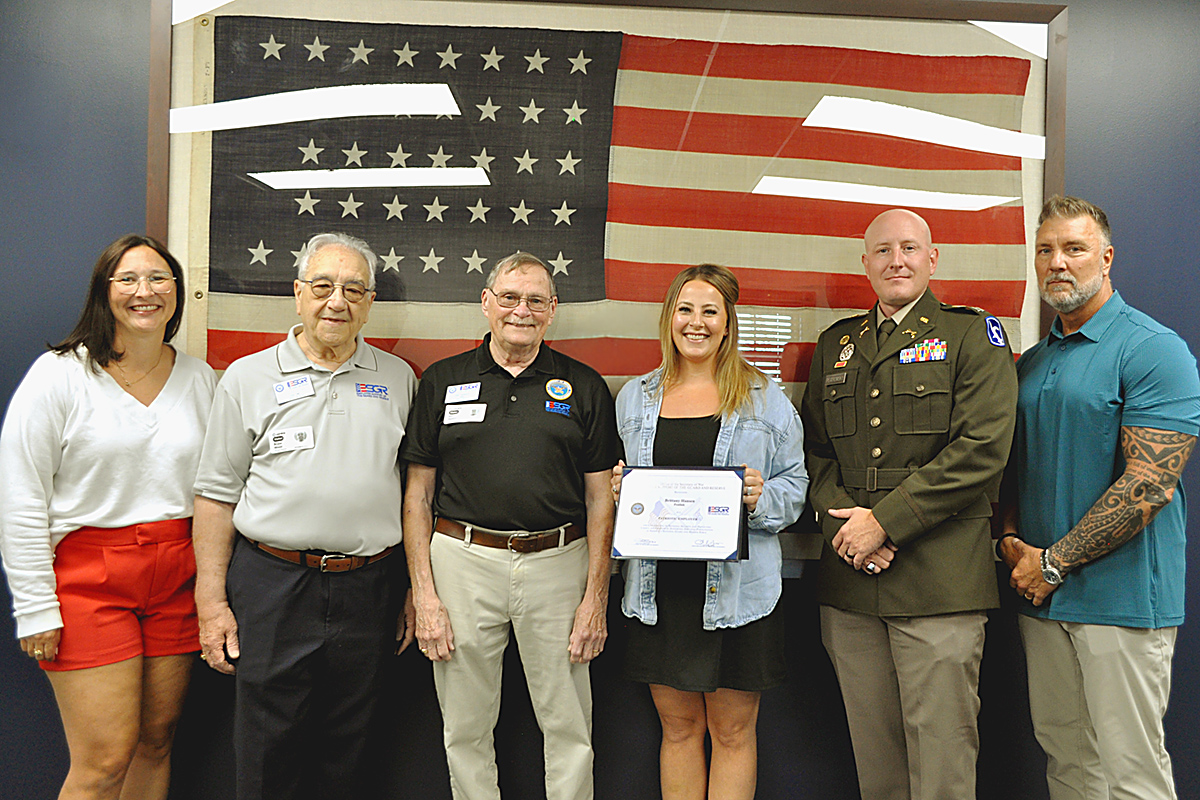
Penlink, a leading provider of digital intelligence solutions for law enforcement, national security, defense and enterprise organizations, announced today that Training Manager Brittany Hansen was presented with the Patriot Award from the Employer Support of the Guard and Reserve (ESGR), a Department of War program.
The Department of Homeland Security announced the results of a nationwide crackdown on human trafficking coordinated around the 2026 FIFA World Cup. Homeland Security Investigations (HSI), the DHS Center for Countering Human Trafficking, and federal, state, and local partners arrested 905 suspects and rescued 180 victims — 150 adults and 30 juveniles — across World Cup host cities.
The U.S. Marshals Service announced the conclusion of Operation Meridian, a month-long, multi-agency effort that located and recovered 79 reported missing and endangered children across Ohio, ranging in age from 6 to 17. Officials described it as the largest missing child operation in the state’s history.
A multi-agency investigation in Volusia County, Florida, has led to the dismantling of a major fentanyl and methamphetamine trafficking network, with 49 people arrested and hundreds of grams of narcotics seized.
The Nebraska State Patrol says a routine traffic stop earlier this month led to what investigators believe is the largest drug seizure in the agency’s history. Governor Jim Pillen joined NSP to detail the case, along with a second, unrelated stop that turned up stolen commercial equipment.
Foreign influence campaigns increasingly pair disinformation with cyber intrusion. This post looks at what that convergence means for investigators tracking coordinated state-linked activity.