
Digital Evidence Overload: Is Death by Data the New Normal?
One fentanyl homicide case produced 1.2 terabytes of data. Volume has outgrown human review, and agencies need to decide where AI belongs and where people must stay in charge.
Mehr lesen >Überblick über die Plattform
Erfahren Sie, warum Penlink der weltweit führende Anbieter von KI-gestützter digitaler Intelligenz und Ermittlungen ist





Penlink Academy
Your complete destination for Penlink training, with live sessions, on-demand modules, and certifications designed to give professionals the tools and confidence to succeed in real investigations.




One fentanyl homicide case produced 1.2 terabytes of data. Volume has outgrown human review, and agencies need to decide where AI belongs and where people must stay in charge.
Mehr lesen >
CPIA disclosure obligations start with the first search, not the first court date. This post looks at how an auditable trail keeps digital material defensible from collection to trial.
Mehr lesen >
Generative AI can take on the volume that slows intelligence analysis, but UK and European standards are clear: the analyst stays accountable. Here’s where AI helps and where human judgement must still rule.
Mehr lesen >
Analysts no longer struggle to find information. They struggle to find the right information fast enough to matter, and that is where human-machine teaming changes the work.
Mehr lesen >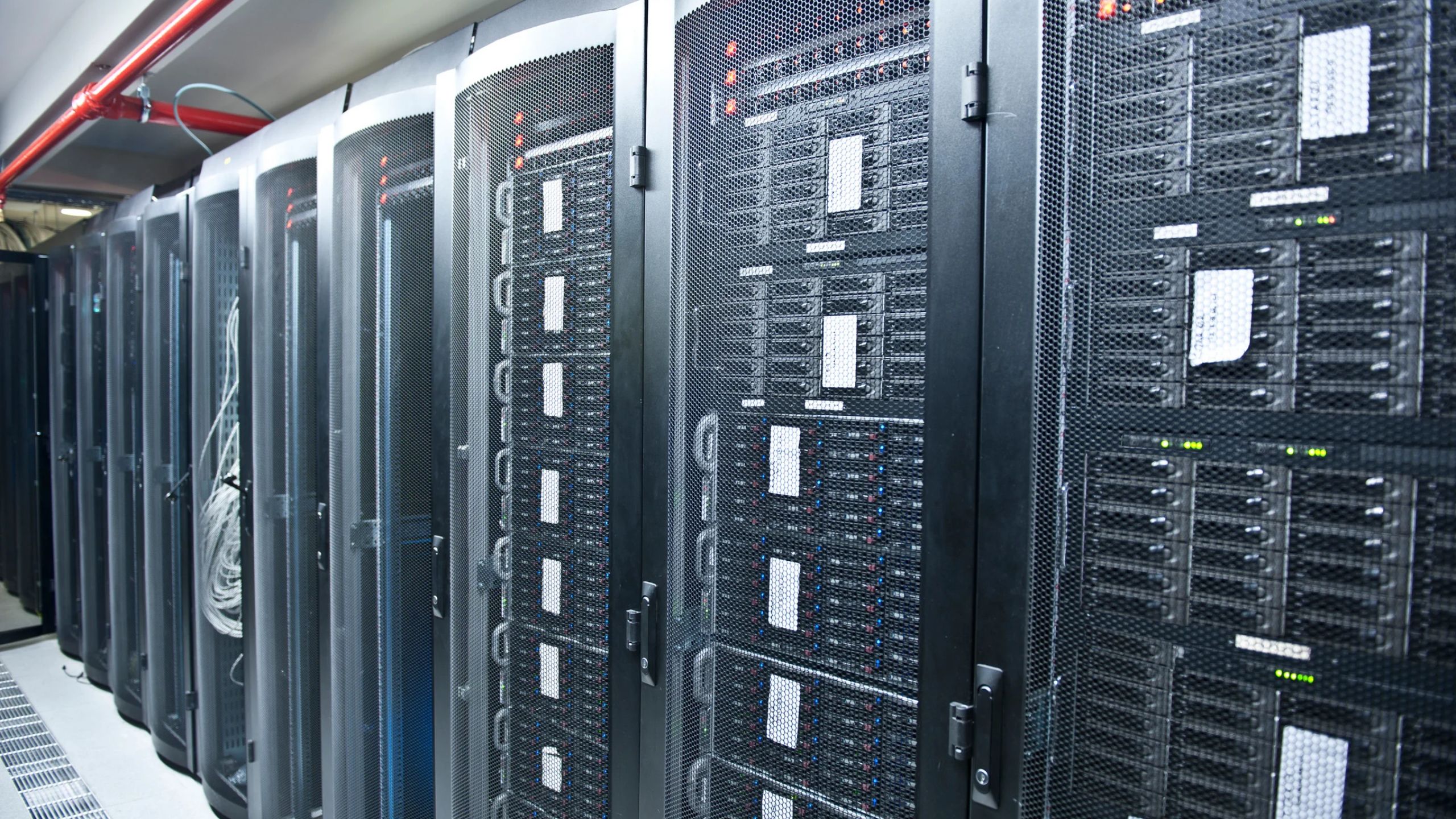
Las amenazas contra los centros de datos van desde amenazas de bomba hasta ataques con drones. La mayoría aparece primero en fuentes abiertas, para los equipos que saben dónde buscar.
Mehr lesen >
Threats to data centers now range from bomb threats to drone strikes. Most of them show up in open sources first, for teams that know where to look.
Mehr lesen >
Criminal intent often surfaces in the moments right after an event. Live intercepts give investigators the real-time visibility to act before that window closes.
Mehr lesen >
Generative AI answers a question. Agentic AI keeps working the case. Here is what that distinction means for investigators using CoAnalyst360.
Mehr lesen >
As Cybersecurity Awareness Month approaches, five infrastructure protection practices worth revisiting, from access control to encryption layers to real-time anomaly detection.
Mehr lesen >