Your complete destination for Penlink training, with live sessions, on-demand modules, and certifications designed to give professionals the tools and confidence to succeed in real investigations.
How Family Safety Apps Are Changing Missing Person Investigations
Date Posted: October 29th, 2025
Family safety apps are often promoted as tools for families who want reassurance that loved ones are safe. They let users share locations and receive alerts when someone arrives home. But these same tools have started to play an unexpected role in public safety: helping investigators locate missing people faster.
More Than Just Check-Ins
Family safety apps record detailed location histories that show where someone has been and when. For investigators, that information can build a clear and accurate timeline. It can confirm a person’s last known location, track movements over time, or rule out areas when every minute matters.
When paired with digital intelligence solutions, data from these apps can provide new context and reveal patterns that traditional methods might miss. Investigators can see not only a location, but how that data connects to call records, text messages, and other sources of digital evidence. That complete picture supports better decision-making during searches, interviews, and follow-up investigative work.
In missing person investigations, location data has become an increasingly important part of establishing a digital evidence timeline. When families or friends already use these apps for safety, that information can quickly help investigators understand movements leading up to the disappearance and identify key locations for search teams.
A Case Where Time Mattered Most
In one recent case, a sheriff’s department was searching for a missing person. With a lawful warrant, investigators accessed location data through a family safety app. That data led them directly to the individual’s last known location. What could have taken days or weeks was resolved in a matter of hours.
Sometimes, it is not the suspect investigators need to follow but the victim’s path that holds the answers. Understanding where a person last traveled can help establish whether they were in distress, who they were near, and when contact was lost. Tools like PLX allow investigators to bring this type of data together alongside other digital evidence, helping them see how movements align with calls, texts, or financial transactions. This integration makes it easier to move quickly and identify patterns that might otherwise be overlooked.
In cases where every second counts, that speed matters. Having access to reliable data can shift a case from uncertainty to action, guiding search teams to the right place at the right time. It’s a practical reminder of how technology designed for family safety can also serve as a crucial link in public safety investigations.
A Quiet Witness in Disappearance Cases
Unlike eyewitness accounts, digital data does not forget details or confuse times. It provides an impartial record that helps investigators verify facts quickly. When time is critical, that objectivity can make a significant difference. Even when outcomes are difficult, accurate information brings clarity and helps families find answers faster.
Data collected from mobile apps can also support case documentation and courtroom processes. Location histories, when lawfully obtained, provide verifiable timestamps that complement other investigative findings. These records can confirm routes traveled, disprove false statements, or validate search patterns—all essential elements in building a complete case narrative.
Investigators trained through the Penlink Academy learn how to interpret and apply these digital insights effectively in real-world investigations. Training emphasizes the importance of understanding both the technical and legal aspects of data collection, ensuring every piece of evidence stands up to scrutiny.
More Common Than You Think
As mobile devices become more connected, family safety apps are increasingly common. For law enforcement and public safety professionals, these apps are more than convenience tools. They can also serve as reliable digital evidence sources in missing person investigations.
Even when a case does not directly involve an app, understanding how to request, preserve, and analyze similar digital evidence has become an essential skill for investigators. A single data point—such as a phone’s movement from one cell sector to another—can change the direction of a search. Family safety apps often collect this type of location data automatically, making them a valuable addition to any investigative toolkit.
As more families rely on these apps for peace of mind, the chances of encountering them in casework will continue to rise. Knowing how to identify, obtain, and lawfully use that data ensures investigators stay ahead of emerging digital trends and can act quickly when time is critical.
The Takeaway
Family safety apps were never designed for investigative use, yet they have become valuable tools for locating missing people. They serve as a reminder that critical digital evidence often comes from the same technologies we use every day to stay connected. When analyzed alongside other sources, that data can turn uncertainty into answers and help bring closure to families faster.
Penlink continues to support investigators with technology that simplifies how digital evidence is collected, organized, and analyzed. From PLX to the Penlink Academy, our solutions are built to help agencies uncover connections between data points, strengthen investigations, and deliver results when it matters most.
Want to learn how Penlink helps agencies bring data from apps, devices, and other digital sources together in one place? Visit penlink.com.
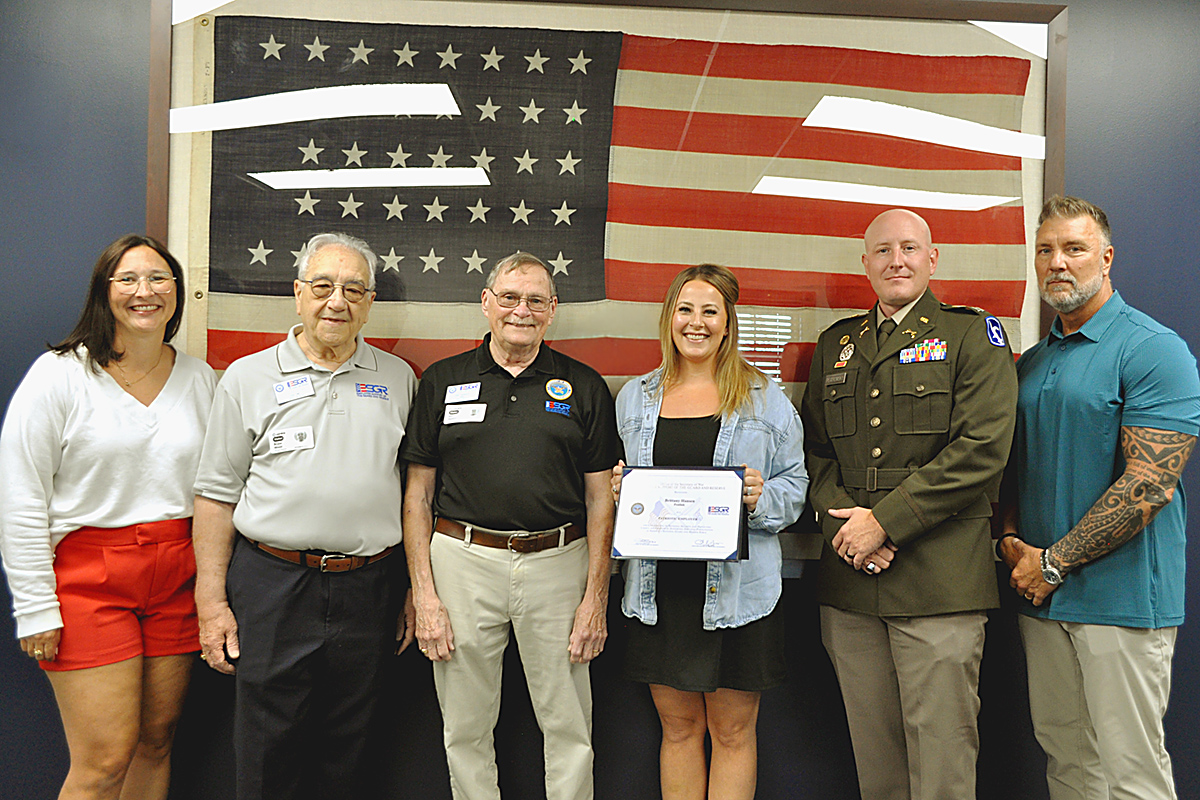
Penlink, a leading provider of digital intelligence solutions for law enforcement, national security, defense and enterprise organizations, announced today that Training Manager Brittany Hansen was presented with the Patriot Award from the Employer Support of the Guard and Reserve (ESGR), a Department of War program.
The Department of Homeland Security announced the results of a nationwide crackdown on human trafficking coordinated around the 2026 FIFA World Cup. Homeland Security Investigations (HSI), the DHS Center for Countering Human Trafficking, and federal, state, and local partners arrested 905 suspects and rescued 180 victims — 150 adults and 30 juveniles — across World Cup host cities.
The U.S. Marshals Service announced the conclusion of Operation Meridian, a month-long, multi-agency effort that located and recovered 79 reported missing and endangered children across Ohio, ranging in age from 6 to 17. Officials described it as the largest missing child operation in the state’s history.
A multi-agency investigation in Volusia County, Florida, has led to the dismantling of a major fentanyl and methamphetamine trafficking network, with 49 people arrested and hundreds of grams of narcotics seized.
The Nebraska State Patrol says a routine traffic stop earlier this month led to what investigators believe is the largest drug seizure in the agency’s history. Governor Jim Pillen joined NSP to detail the case, along with a second, unrelated stop that turned up stolen commercial equipment.
Foreign influence campaigns increasingly pair disinformation with cyber intrusion. This post looks at what that convergence means for investigators tracking coordinated state-linked activity.