Your complete destination for Penlink training, with live sessions, on-demand modules, and certifications designed to give professionals the tools and confidence to succeed in real investigations.
Florida Lawyer Pleads Guilty to Attempted Bombing Outside Chinese Embassy in Washington
Date Posted: January 7th, 2026
Federal prosecutors announced that a Florida lawyer has pleaded guilty in connection with an attempted bombing outside the Chinese Embassy in Washington, D.C. The case centers on a late-night incident in which authorities say the man attempted to detonate an improvised explosive device near the embassy grounds. While the device did not explode, the event prompted a swift response from federal investigators and raised concerns about threats to diplomatic and public safety.
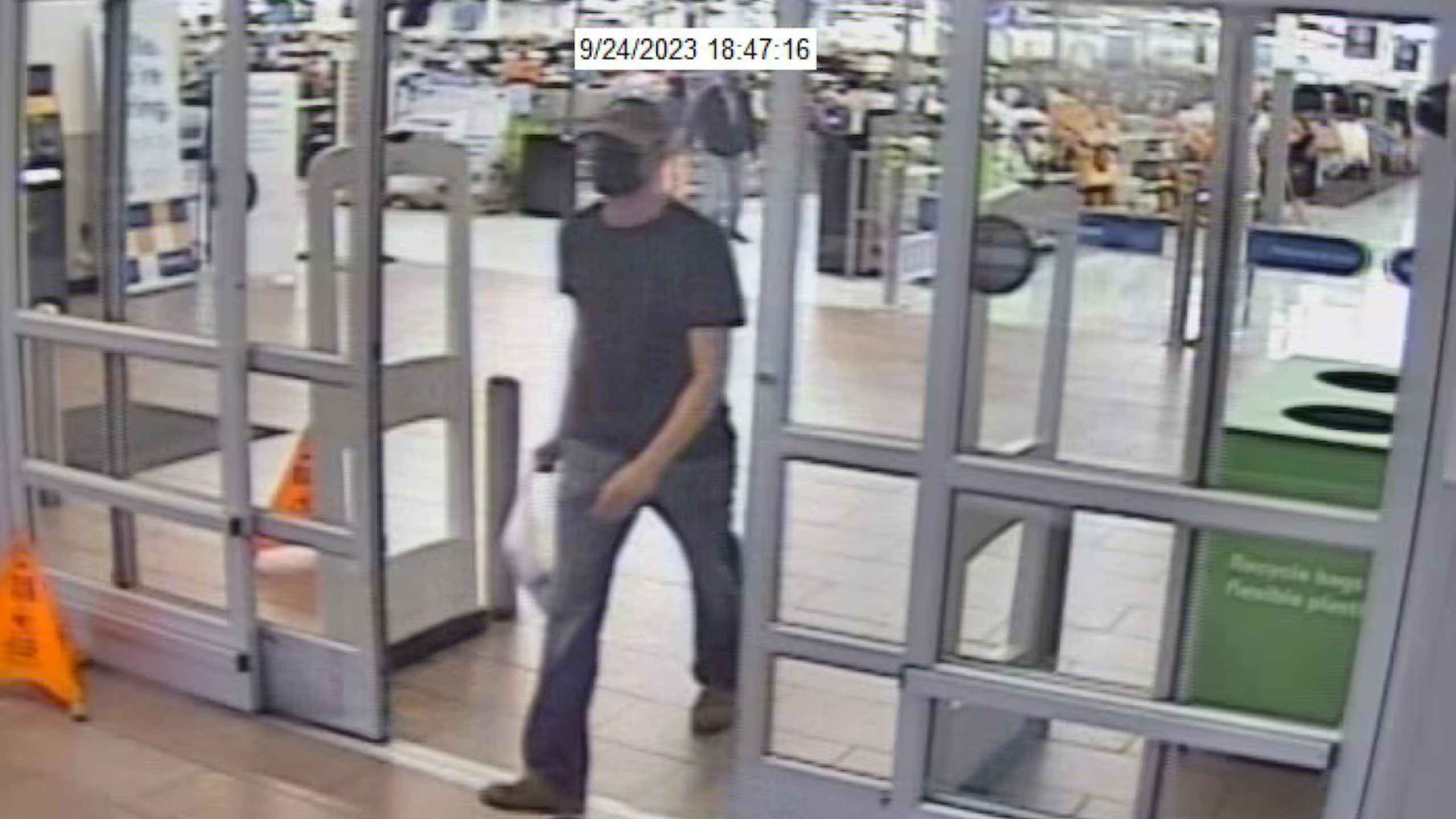
According to court documents, the defendant placed a backpack containing explosive materials near the embassy and then attempted to ignite it using a firearm. The effort failed, and no injuries were reported. Investigators later linked the man to the scene through surveillance footage and other physical evidence. As part of the plea agreement, he admitted responsibility for the attempted attack and for a separate prior incident involving explosive materials at a media facility in Texas.
The case underscores the complex challenges facing investigators when individuals act alone but target high-profile or symbolic locations. Federal officials noted that incidents like this require rapid coordination across agencies, careful evidence analysis, and constant assessment of potential risk to the public and diplomatic communities.
As threats increasingly emerge with little warning, law enforcement teams must rely on a combination of physical evidence, digital records, and intelligence sharing to build accurate timelines and prevent further harm. This investigation highlights how modern cases often span jurisdictions and demand close collaboration among federal partners.
While no one was injured, the guilty plea represents an important step toward accountability. The case serves as a reminder of the vigilance required to protect public spaces and diplomatic sites, and of the ongoing efforts by investigators to intervene before potential violence escalates.
Generative AI can take on the volume that slows intelligence analysis, but UK and European standards are clear: the analyst stays accountable. Here’s where AI helps and where human judgement must still rule.
Analysts no longer struggle to find information. They struggle to find the right information fast enough to matter, and that is where human-machine teaming changes the work.
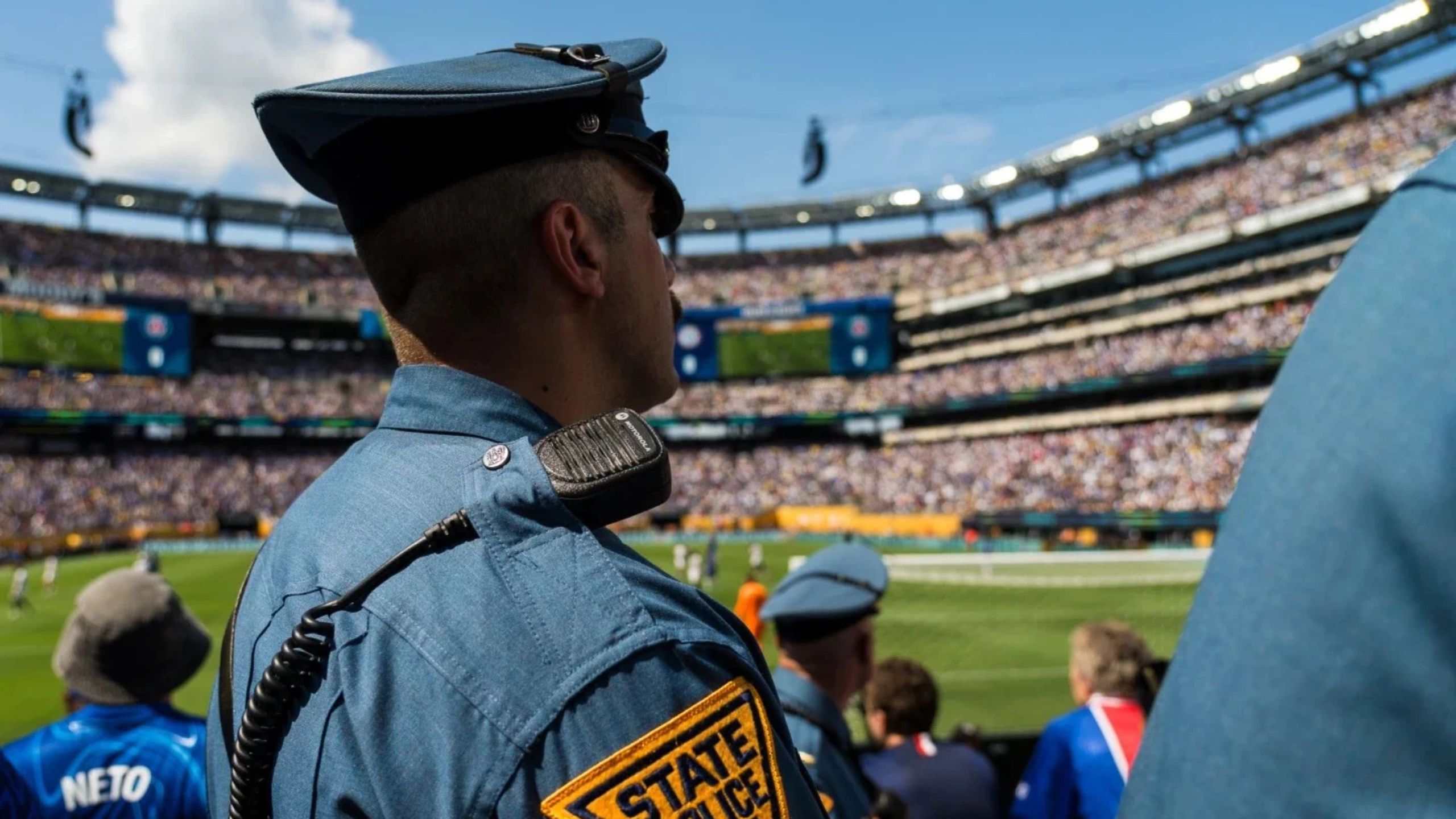
A bomb threat texted to 911 during a World Cup match at MetLife Stadium led to a rapid multi-agency response and an arrest. The case shows how quickly event security teams must move from threat to answer.
Las amenazas contra los centros de datos van desde amenazas de bomba hasta ataques con drones. La mayoría aparece primero en fuentes abiertas, para los equipos que saben dónde buscar.
Penlink analysts walk through a real investigation into a suspected Albanian organised crime group, using open-source data in Tangles and CoAnalyst360 and evidence-based analysis in PLX to surface poly-criminal connections.