
Pen Register vs. Live Intercept: Why the Terminology Matters
Pen registers and live content intercepts operate under different legal authority. This post explains why getting the terminology right protects the collection and the case.
Überblick über die Plattform
Erfahren Sie, warum Penlink der weltweit führende Anbieter von KI-gestützter digitaler Intelligenz und Ermittlungen ist





Penlink Academy
Your complete destination for Penlink training, with live sessions, on-demand modules, and certifications designed to give professionals the tools and confidence to succeed in real investigations.



A pen register and a live content intercept serve very different purposes. Understanding that distinction is important because each operates under a different level of legal authority, provides access to different information, and carries different responsibilities for investigators.
Getting that distinction right from the beginning helps protect the legal process, the integrity of the collection, and ultimately the case itself.
A pen register provides header information only. This typically includes dialed or received numbers, date/timestamps, along with routing and signaling data such as the sender or originating IP address on digital communications.
No content is included. There is no message text, no audio, and no images. However, this non-content information still confirms that a device is active and communicating, which on its own can be valuable intelligence.
A live content intercept, by contrast, authorizes access to content. This is a higher legal threshold, and it typically requires investigators to have exhausted other reasonable investigative methods first.
That additional authority also brings additional responsibility. Investigators must understand exactly what the court has authorized and ensure the collection, monitoring, and handling of that evidence remain within the scope of the order.
Precision in language matters well beyond the investigation itself. When evidence reaches a courtroom, the terminology used to describe how it was obtained can influence how that evidence is understood.
If a pen register is mischaracterized as a full content intercept, or the reverse, it can raise unnecessary questions about the legal basis for the collection. As a result, accurate terminology protects the credibility of the evidence itself.
The distinction should be clear from the earliest stages of an investigation, from conversations with prosecutors and legal counsel to court applications, investigative reports, and ultimately testimony.
When everyone involved understands the difference between non-content collection and content interception, the entire process becomes easier to document, explain, and defend.
In live investigations, terminology is more than semantics. It defines the authority, the boundaries of the collection, and the responsibilities that come with it.
The words used to describe an investigation are part of the evidence.
Penlink’s PLX supports lawful collection with secure data handling, complete audit trails, and digitally signed evidence packages, so agencies can document and defend every stage of the process. Request a demo.
Pen registers and live content intercepts operate under different legal authority. This post explains why getting the terminology right protects the collection and the case.

The evidence on a subject’s TikTok account rarely shows up on their public profile. This free webinar for law enforcement covers how investigators can secure that data, request it correctly, and turn the return into new leads.

One fentanyl homicide case produced 1.2 terabytes of data. Volume has outgrown human review, and agencies need to decide where AI belongs and where people must stay in charge.

CPIA disclosure obligations start with the first search, not the first court date. This post looks at how an auditable trail keeps digital material defensible from collection to trial.
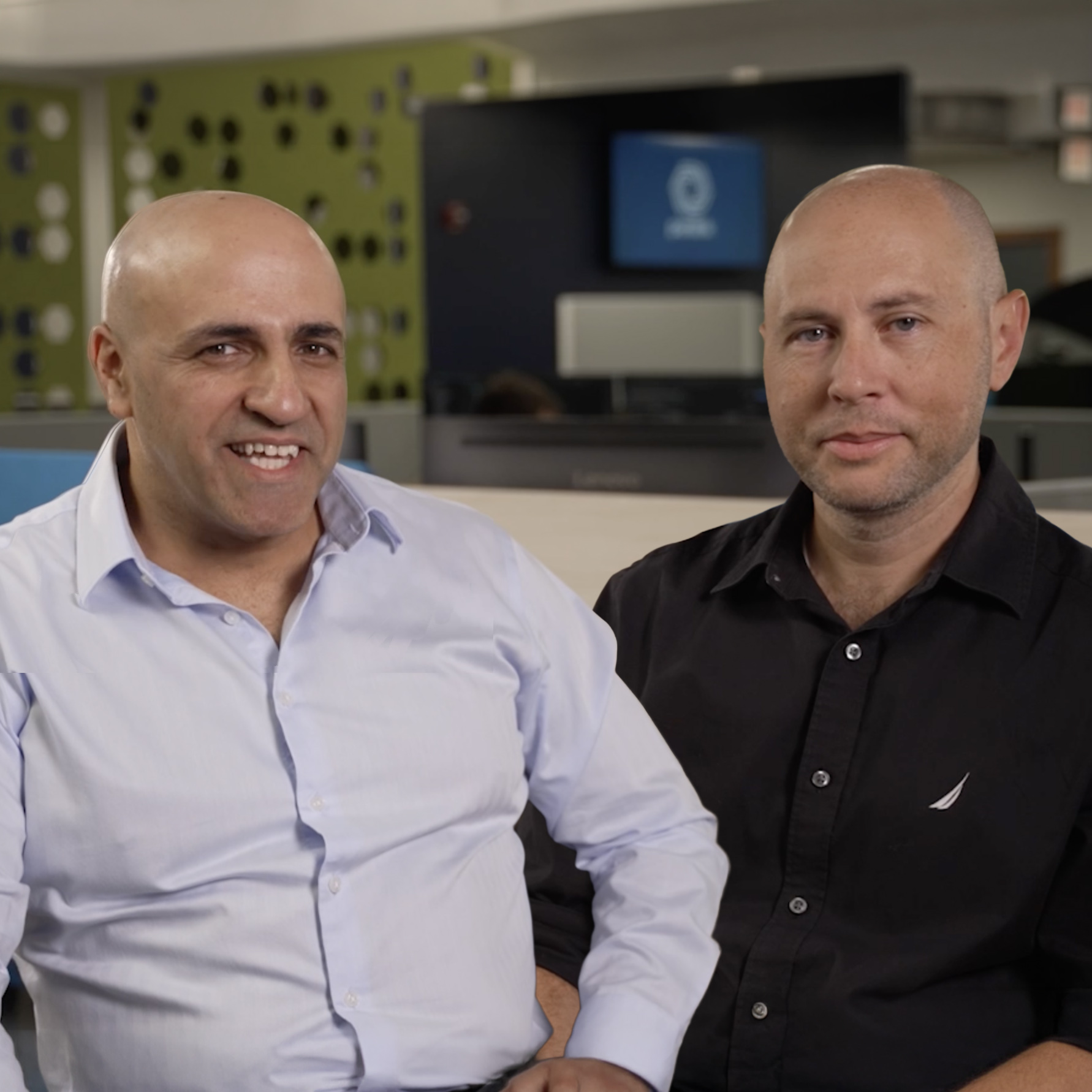
Penlink’s Udi Levy and Shay Attias discuss how AI is changing investigative work, from handling massive volumes of data to keeping humans in the loop.
A four-day, multi-agency operation in Arkansas located eight missing and endangered children, showing what coordinated child recovery work can achieve.