Your complete destination for Penlink training, with live sessions, on-demand modules, and certifications designed to give professionals the tools and confidence to succeed in real investigations.
Busting Myths About Collecting Social‑media Data for Criminal Investigations
Date Posted: January 30th, 2023
Social-media companies collect and store data to understand patterns for advertising and product-development purposes. The data collected and behavior patterns revealed are also useful to criminal investigations. Investigators need to build patterns of activity for any target with whom they are communicating, and of the specific content in conversations. Unfortunately, many persistent myths about social-media data collection are causing people to hesitate about adding social-media collection to investigations.
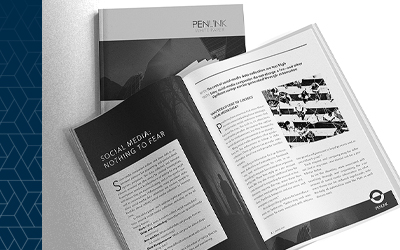
Learn more about the information you can access through social media, the costs of collecting social-media data, what’s involved with setup and monitoring, and more in Busting Myths About Collecting Social‑media Data for Criminal Investigations. This white paper also answers common questions about data disappearance, data quality, and working with social-media companies.
A Detroit man awaiting trial for murder in the Na’Ziyah Harris case now faces additional charges involving a second child, showing how connected investigations can uncover patterns that extend well beyond the original case.
A Memphis jury convicted Justin Johnson of first-degree murder in the 2021 murder-for-hire killing of rapper Young Dolph, showing how digital evidence can close cases where physical evidence falls short.
Fentanyl’s designation as a weapon of mass destruction is more than a policy headline. Here is what it means in practice for investigators and agencies on the front lines.
44 missing and endangered children and teens were located during a focused, three-day operation in Westchester County, bringing together more than 70 agencies united by one goal.
Retired NYPD intelligence expert Darryl Valinchus breaks down key concepts, workflows, and best practices for working with digital communications evidence, plus a live Q&A session.
Game day security goes beyond the field. This white paper explores how OSINT helps campus security teams identify and disrupt threats early, keeping athletes, fans, and high-profile attendees safe.