Your complete destination for Penlink training, with live sessions, on-demand modules, and certifications designed to give professionals the tools and confidence to succeed in real investigations.
Fentanyl as a Weapon of Mass Destruction: What the Designation Means for Law Enforcement
Date Posted: February 24th, 2026
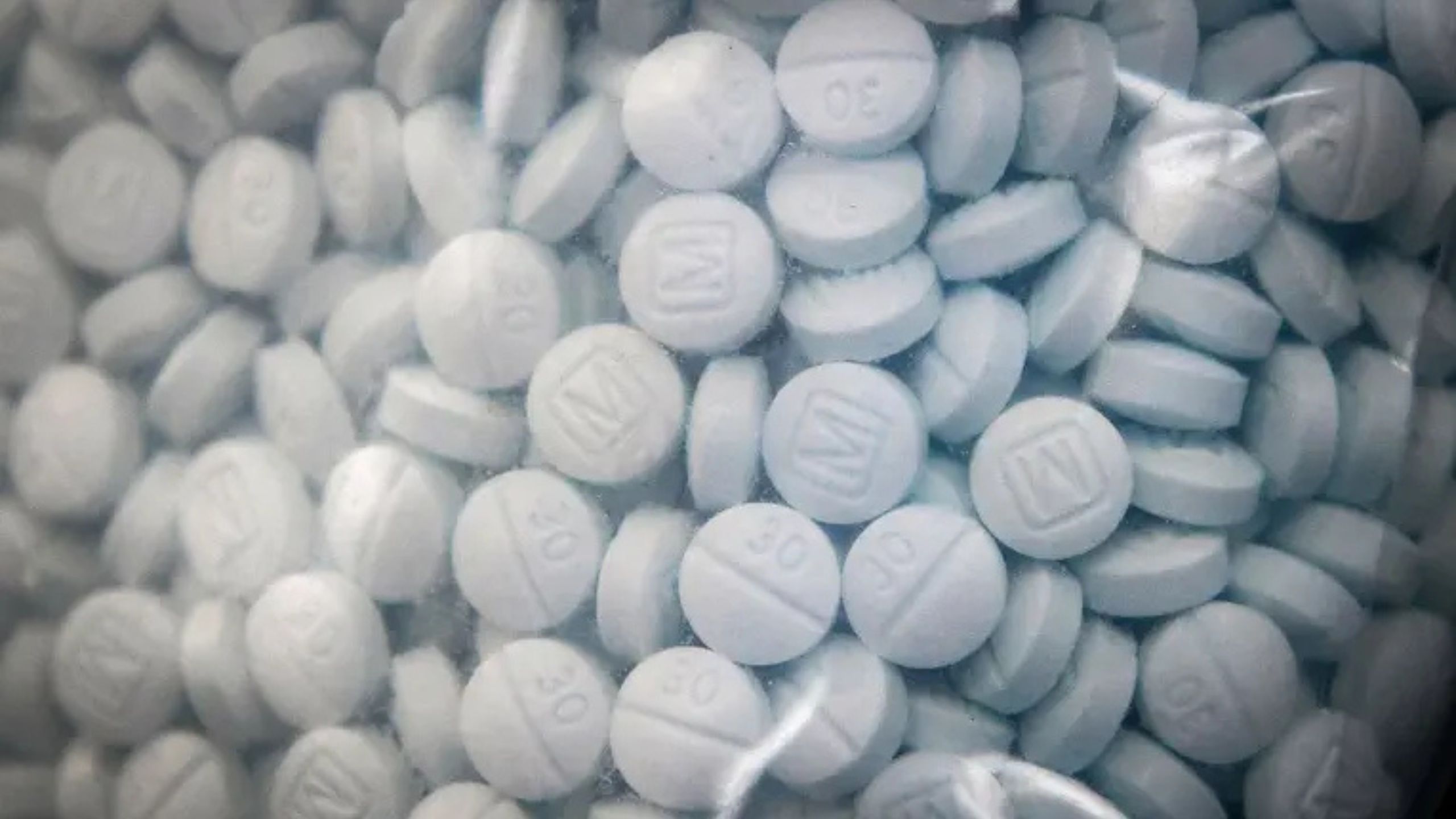
When the federal government designates a substance as a weapon of mass destruction, it changes the conversation. It changes resources, priorities, and the way agencies at every level are expected to respond. For law enforcement working fentanyl cases, the WMD designation is more than a policy headline. It is a signal about how seriously the threat is now being treated at the highest levels of government.
Understanding what that designation means in practice, and what it demands from investigators going forward, is essential for agencies building cases, allocating resources, and coordinating across jurisdictions.
What the WMD Designation Actually Means
Fentanyl’s designation as a weapon of mass destruction reflects a fundamental shift in how the federal government is classifying the threat. This is no longer viewed solely as a drug enforcement issue — it is now recognized as a matter of national security.
In practical terms, that classification carries weight. It elevates the priority level of fentanyl-related investigations across federal agencies. It creates stronger justification for cross-agency resource sharing. It also sends a clear message to international partners and to the criminal networks responsible for manufacturing and distributing the substance that the consequences for continuing to flood American communities with this poison are significant.
For state and local law enforcement, the designation matters because it shifts the federal posture around support, funding, and interagency cooperation. Cases that might previously have been handled in isolation now have a stronger basis for federal partnership and shared resources.
Why It Took So Long and What Finally Changed
The fentanyl crisis did not emerge overnight. Illicitly manufactured fentanyl began displacing other substances in the drug supply years ago. Overdose deaths climbed steadily. Communities across the country were sounding the alarm long before the federal response matched the scale of the problem.
What changed is the framing. For years the crisis was understood primarily through a public health lens. Treatment, awareness, and demand reduction were the dominant conversations. Those things matter. But they were happening alongside a supply chain that was operating with increasing sophistication and scale, and the enforcement response was not keeping pace.
The WMD designation — a classification reserved for chemical, biological, radiological, and nuclear threats — represents a recognition that the supply side of this crisis is not just a criminal problem. It is a coordinated, international threat. The precursor chemicals, the manufacturing networks, the distribution infrastructure, and the financial systems supporting all of it require the kind of response that is typically reserved for national security threats. Because that is exactly what it is.
A Whole-of-America Problem Requires a Whole-of-America Response
No single agency, task force, or level of government can address this alone. The fentanyl supply chain is global. It involves precursor chemicals sourced internationally, domestic manufacturing operations, encrypted distribution networks, and financial infrastructure that spans multiple jurisdictions and countries.
Addressing it effectively requires federal, state, and local law enforcement working together with a shared understanding of the threat. It requires intelligence sharing that crosses organizational lines. It requires the kind of coordination that has historically been difficult to sustain but is now more urgent than ever.
The WMD designation creates a framework for that coordination. It gives agencies at every level a common reference point and a stronger basis for joint action. But the framework only works if the people and tools on the ground are set up to support it. Connecting case data across agencies and surfacing the relationships between investigations is where that coordination becomes real.
What It Means Going Forward
The designation builds momentum, but maintaining it depends on law enforcement at every level treating fentanyl investigations with the level of seriousness the designation warrants. That means pursuing networks, not just individuals. It means sharing intelligence across jurisdictions rather than working cases in isolation. It means using every available tool to build cases that reach the organizations responsible, not just the people at the end of the supply chain.
It also means staying ahead of how the threat is evolving. Fentanyl is no longer the only substance of concern. Carfentanil, nitazenes, and xylazine are already present in the supply chain. The networks distributing these substances are adapting constantly. The investigative response must evolve alongside them.
The WMD designation is a starting point, not a finish line. For the agencies and investigators on the front lines of this crisis, the work continues. The designation simply brings the rest of the country to the level of attention and urgency they have maintained all along.
The designation changed the conversation. The work of backing it up belongs to the people doing it every day.
Penlink supports law enforcement agencies working complex, multi-jurisdictional investigations. Request a demo to see how our platform helps investigators connect the dots across cases.
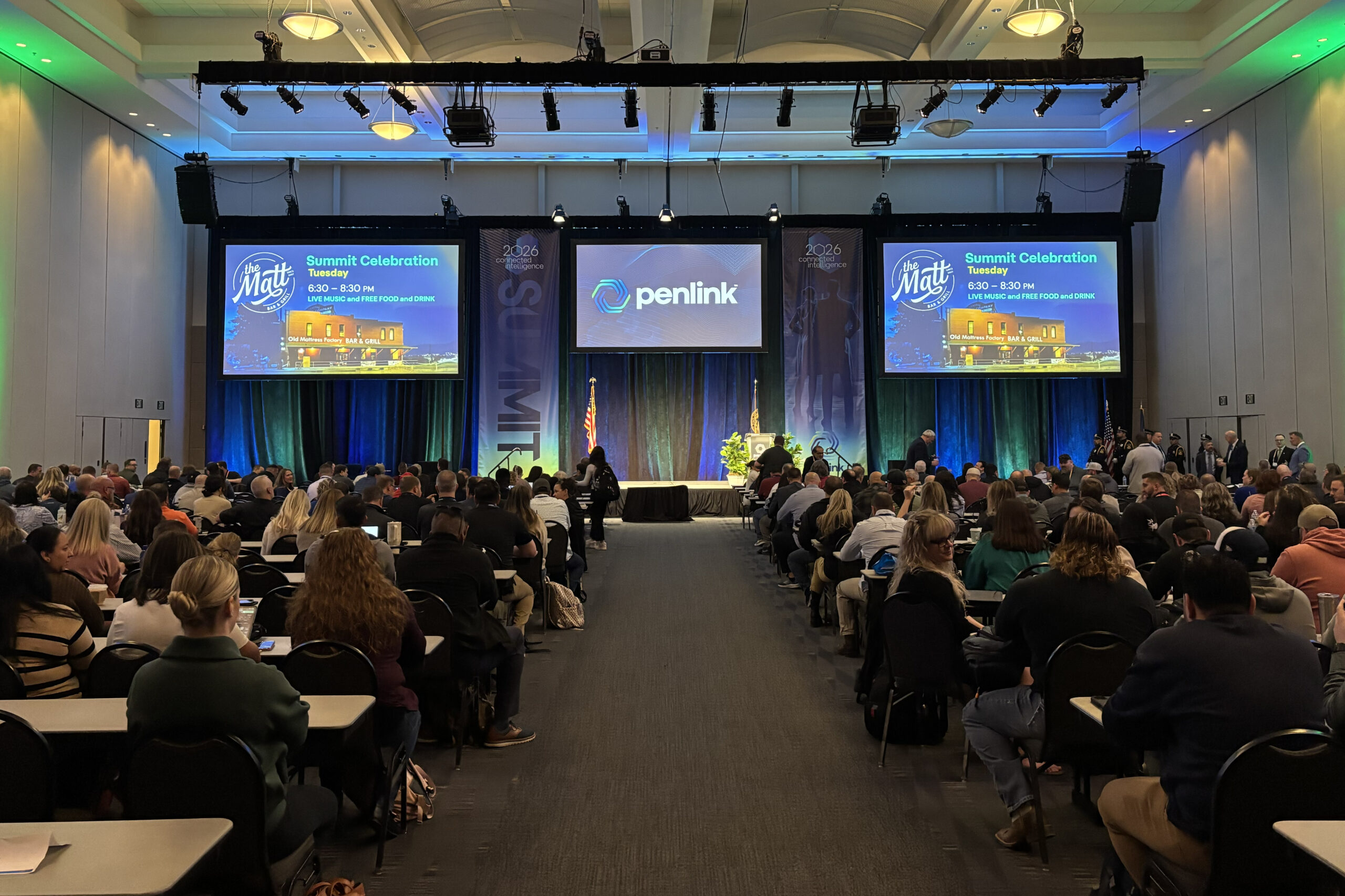
The Penlink Training Summit returns to Omaha, Nebraska, March 8–10, 2027, bringing together investigators, analysts, agency leaders and security professionals for two and a half days of training, learning and collaboration.
Europol brought together investigators, analysts and open-source intelligence specialists from 12 countries for a four-day operation targeting human trafficking networks exploiting Ukrainian nationals online.
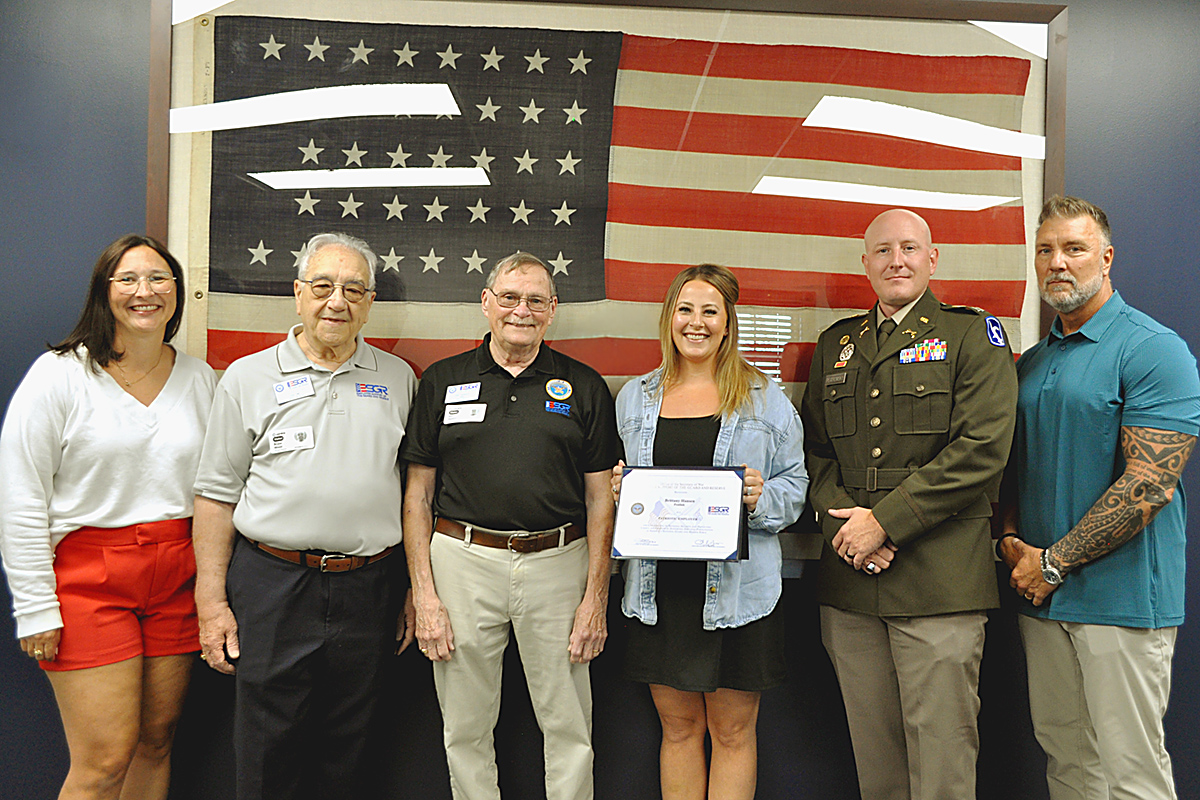
Penlink, a leading provider of digital intelligence solutions for law enforcement, national security, defense and enterprise organizations, announced today that Training Manager Brittany Hansen was presented with the Patriot Award from the Employer Support of the Guard and Reserve (ESGR), a Department of War program.
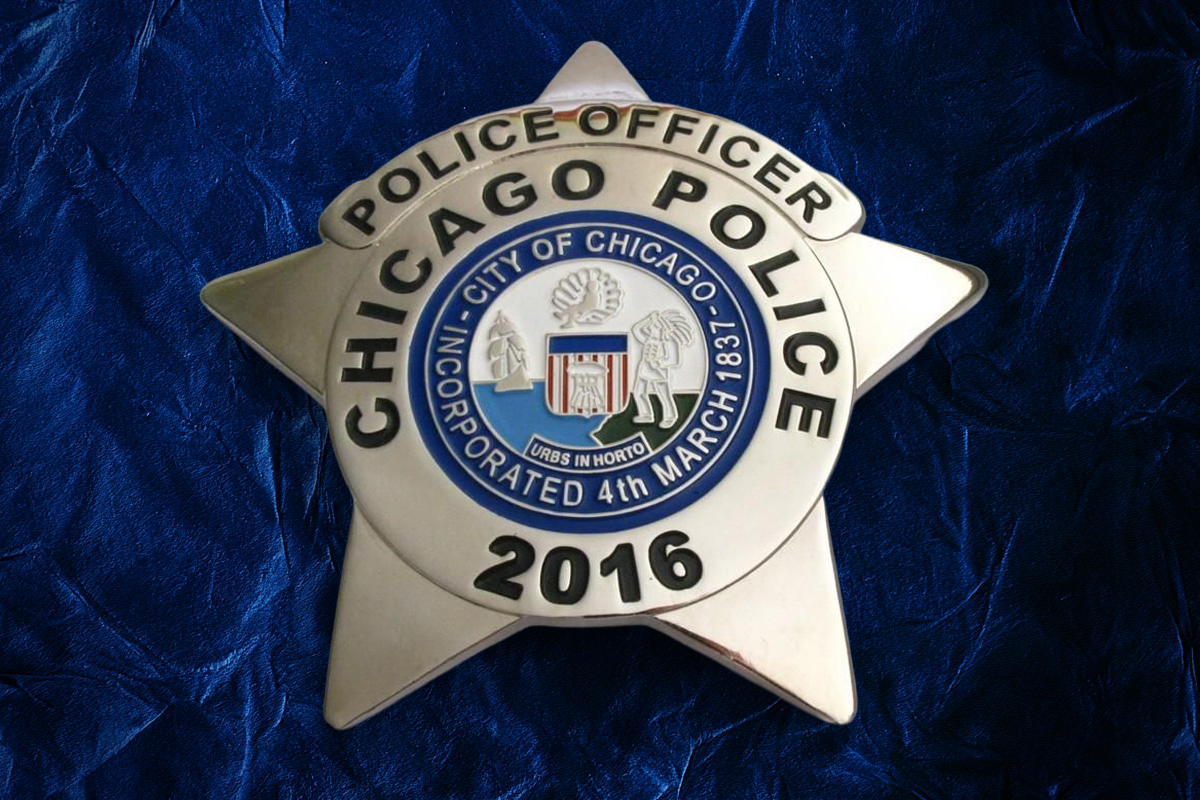
Chicago police and the U.S. Marshals Service teamed up this spring. Their goal: find missing juveniles fast. Over ten days in May, Operation Safe Return Chicago located 30 missing kids across the city.
A Lake County, Florida jury found two men guilty on drug trafficking and related charges tied to a 2022 investigation into narcotics sales across the Leesburg, Mount Dora, and Fruitland Park area.
The Department of Homeland Security announced the results of a nationwide crackdown on human trafficking coordinated around the 2026 FIFA World Cup. Homeland Security Investigations (HSI), the DHS Center for Countering Human Trafficking, and federal, state, and local partners arrested 905 suspects and rescued 180 victims — 150 adults and 30 juveniles — across World Cup host cities.