
Penlink’s Innovative Product Chiefs Talk AI in Public Safety
Penlink’s Udi Levy and Shay Attias discuss how AI is changing investigative work, from handling massive volumes of data to keeping humans in the loop.
Visão geral da plataforma
Veja porque é que a Penlink é líder mundial em investigações e inteligência digital com base em IA





Penlink Academy
Your complete destination for Penlink training, with live sessions, on-demand modules, and certifications designed to give professionals the tools and confidence to succeed in real investigations.




In this conversation, Penlink Chief Product Officer Udi Levy and Chief Technology Officer Shay Attias discuss how AI is changing investigative workflows across public safety. Drawing on more than two decades in the industry, they look at how investigations have moved from managing simple signals to working through massive volumes of data, from social media to cryptocurrency.
Watch the full discussion to see how Penlink built CoAnalyst360 to support investigators with automated workflows, real-time reporting, and human-in-the-loop oversight that keeps accountability where it belongs.
Penlink’s Udi Levy and Shay Attias discuss how AI is changing investigative work, from handling massive volumes of data to keeping humans in the loop.

A four-day, multi-agency operation in Arkansas located eight missing and endangered children, showing what coordinated child recovery work can achieve.

Generative AI can take on the volume that slows intelligence analysis, but UK and European standards are clear: the analyst stays accountable. Here’s where AI helps and where human judgement must still rule.

Analysts no longer struggle to find information. They struggle to find the right information fast enough to matter, and that is where human-machine teaming changes the work.

A bomb threat texted to 911 during a World Cup match at MetLife Stadium led to a rapid multi-agency response and an arrest. The case shows how quickly event security teams must move from threat to answer.
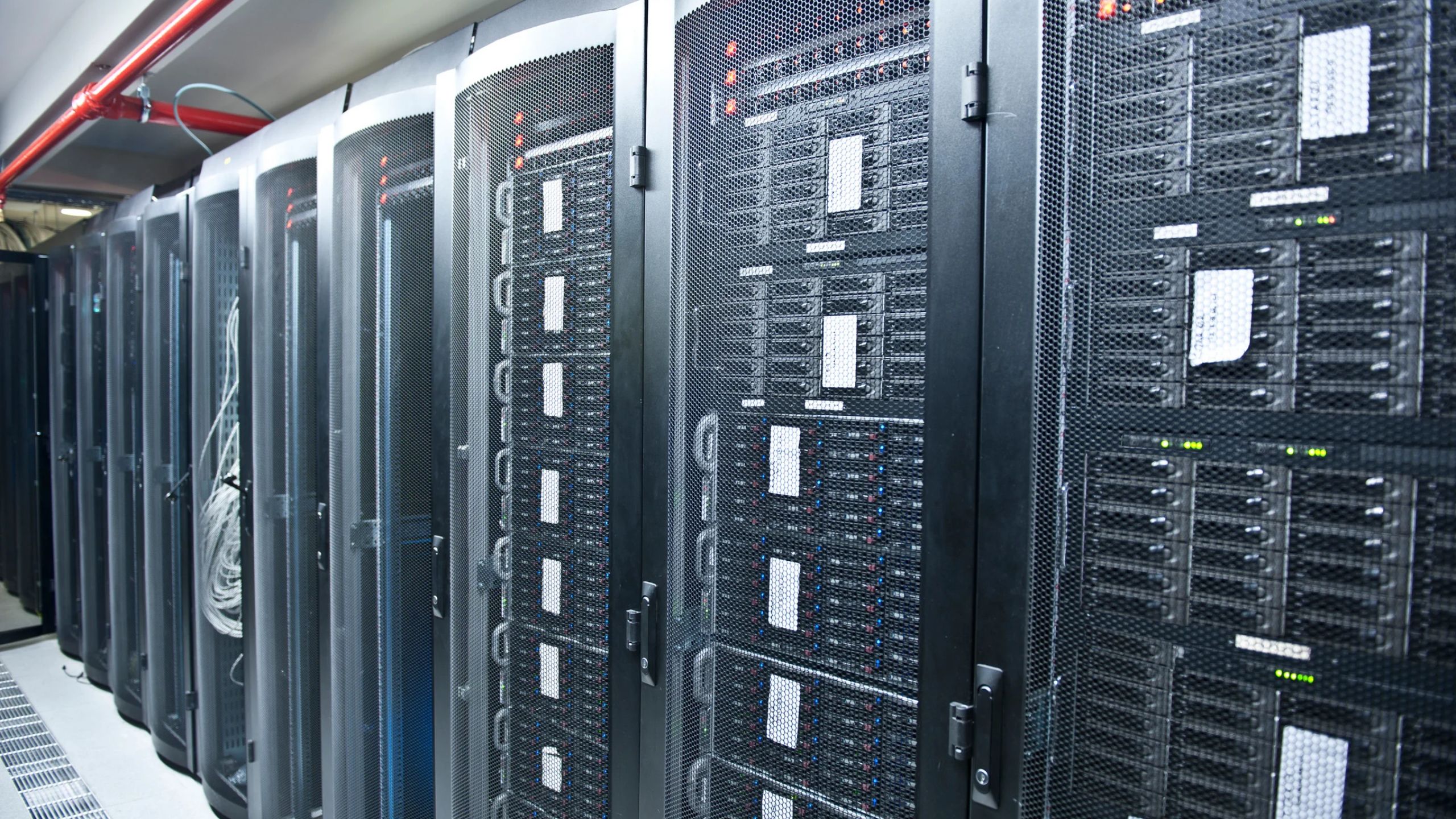
Las amenazas contra los centros de datos van desde amenazas de bomba hasta ataques con drones. La mayoría aparece primero en fuentes abiertas, para los equipos que saben dónde buscar.