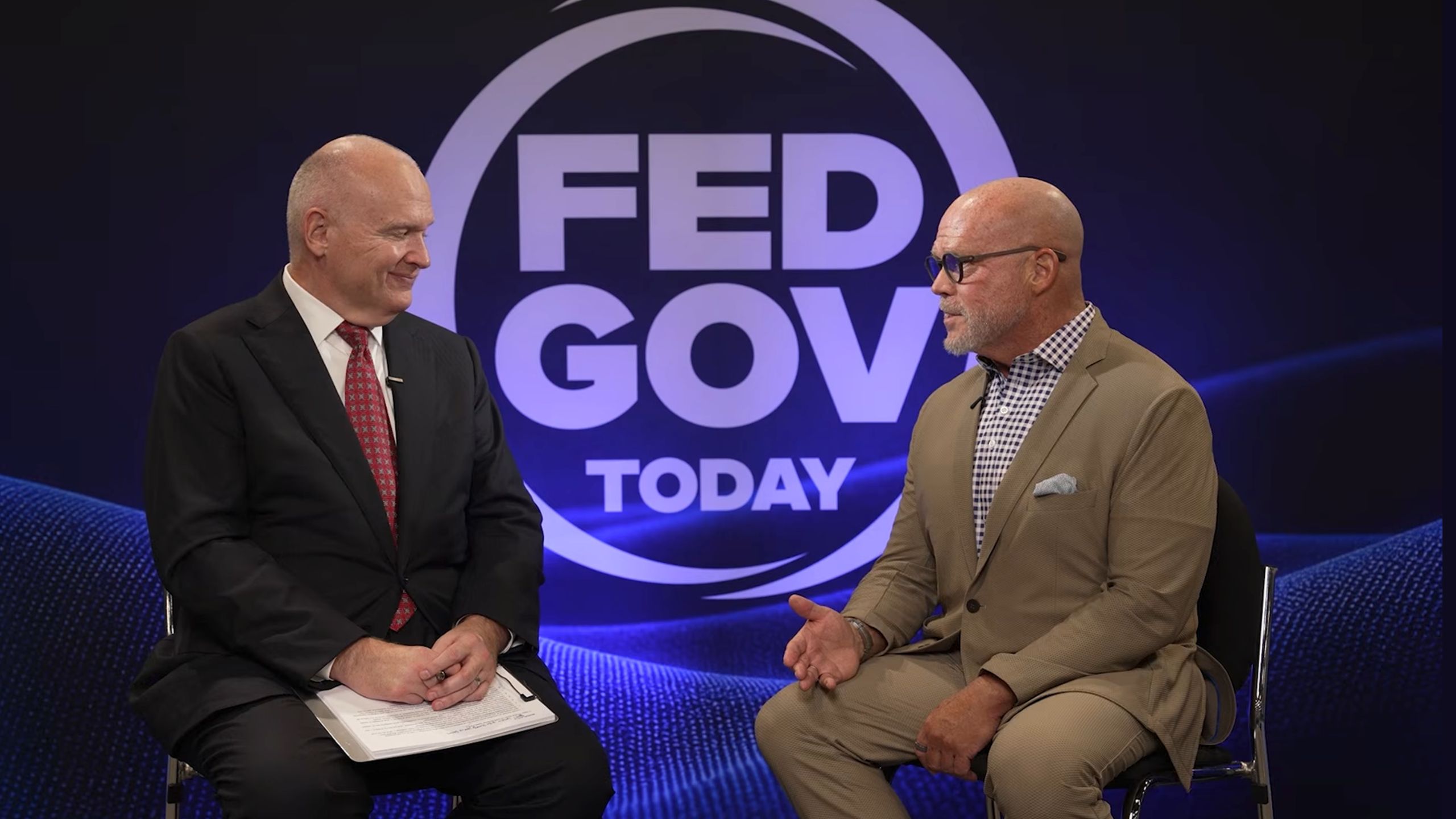
Darryl Valinchus, um sargento supervisor aposentado do esquadrão de detectives do departamento de inteligência da NYPD, partilha a forma como o PenLink pode reduzir os encargos e ajudar os investigadores a encerrar os seus casos de forma mais rápida e eficiente.
Na edição deste mês da nossa série mensal de Perguntas e Respostas sobre Investigação, sentámo-nos com Darryl Valinchus, sargento reformado da Polícia de Nova Iorque, Supervisor da Brigada de Detectives e testemunha especializada para procuradores, sobre o futuro das investigações e a forma como as provas digitais estão a mudar o panorama da aplicação da lei. Darryl explica o que falta aos investigadores na sua análise de provas digitais e porque é que as expectativas em torno das comunicações entre agências mudaram drasticamente para a aplicação da lei na era moderna.
P: Como é que o processo de investigação mudou nos últimos três a cinco anos?
A: The transformation is evident. We are now faced with an influx of data that must be swiftly gathered and processed. The increase of electronic information and the surge in cell phone usage, not to mention the innumerable applications available, have replaced traditional forms of communication. However, law enforcement has struggled to keep pace with this overload of data, often leading to extended investigation timelines that can stretch by three to six months. Investigators are tasked with the monumental responsibility of collecting, analyzing, and delivering information to their prosecuting teams in record time. Some states, like New York, are enacting new rules to expedite the process, but this places added pressure on investigators to manage vast volumes of digital evidence with even greater speed.
P: Que impacto podem ter as provas digitais no esclarecimento de casos?
A: The influence of digital evidence cannot be overstated. It has revolutionized our ability to secure concrete evidence by analyzing communication patterns, where even a lack of communication can be pivotal in certain scenarios. For instance, consider a situation where an individual switches off their phone, commits a crime, and then reactivates their phone upon returning home. The significance of the phone being inactive during the time of the offense and subsequently reactivated serves as a critical piece of evidence, indicative of a change in behavioral patterns.
Outro exemplo convincente envolve acidentes de condução sob o efeito do álcool. Quando confrontados com a incerteza quanto ao percurso do condutor antes do acidente, podemos utilizar os dados do telemóvel para reconstruir o seu trajeto. Este rasto de dados leva-nos muitas vezes a câmaras de trânsito, oferecendo informações valiosas sobre a sequência de acontecimentos que conduziram ao acidente. Todos os investigadores têm de ser diligentes na recolha do máximo de provas digitais possível, e de forma atempada. Os atrasos no pedido de registos de telemóveis e de dados relacionados podem prejudicar significativamente o processo de investigação.
P: Os estudos mostram que os investigadores consideram que as provas digitais são mais importantes do que as provas de ADN. Como é que as compararia?
A: I believe that digital evidence is more important than DNA evidence. Digital evidence can be used in almost all criminal investigations and cases. Whether it be a vehicle accident or a homicide, digital evidence can be crucial for the investigation and prosecution of the perpetrator.
Todos nós temos ADN, que pode ser recolhido e comparado com locais de crime - mas será que todos os locais de crime têm ADN? Em contrapartida, quase toda a gente tem pelo menos um telemóvel e as suas provas digitais podem ser mais condenatórias do que o ADN.
Com o conteúdo, as imagens e as informações de localização fornecidas pelas provas digitais, tem as ferramentas que podem ser necessárias para demonstrar premeditação ou conspiração, ou mesmo para refutar as declarações das suas testemunhas ou vítimas. Com as provas digitais, pode contar a história do que realmente aconteceu. O ADN só pode fornecer provas de que o indivíduo esteve presente no local do crime, empunhou uma arma, deixou fluidos corporais numa vítima... é tudo o que lhe dirá.
P: Como é que o PenLink pode tornar as agências de investigação mais eficientes?
A: PenLink’s analytical capabilities can handle huge volumes of data. Before this software, we would have to clean up the information provided by the telecom carriers. They would provide us with an explanation document, and we’d have to manually go through all the lines, whether that was 5,000 lines or 55,000—a task that could consume considerable hours. In my previous unit, an entire team of 10 detectives and analysts was dedicated solely to structure phone records, a prerequisite before integration into analytical programs. If you transposed a number or made a mistake, you hurt your evidence. Today, we can eliminate the manual work and the human error, making the evidence stronger and lifting the burden of manual work on the investigators.
P: Qual é a sua dica de investigação favorita?
A: The tagging feature stands out as a valuable asset in my workflow. It allows me to annotate and organize data without altering its integrity. This functionality enables me to seamlessly reference and retrieve essential information during my analysis. Currently, I’m actively engaged in a case where we lack cell site data and possess only call records. When investigators reach out for insights on the four specific calls we have, the tagging feature proves invaluable. By promptly tagging these calls, I can readily discern that they went directly to voicemail, indicating that the phone was switched off during the time of the crime. This critical information was accessible without effort, due to the tags I had strategically applied earlier in the process.
P: Como é que as expectativas em relação às investigações estão a evoluir e como é que se está a preparar para essas mudanças?
A: In the past, collaboration between departments was often a challenge, marked by instances where one department’s actions inadvertently disrupted another’s ongoing case. I recall an incident in New York where a homicide arrest overshadowed a years-long narcotics investigation.
Atualmente, as expectativas mudaram radicalmente. As agências e os departamentos são cada vez mais obrigados a trabalhar em harmonia. Ferramentas como o PenLink simplificaram a colaboração entre departamentos e agências, quebrando os silos que antes atrasavam a comunicação sobre casos e objectivos. Atualmente, espera-se uma coordenação e uma partilha de informações sem falhas. Numa era em que os processos manuais deram lugar à eficiência digital, a falta de consciência interdepartamental já não é considerada aceitável.
Thank you to Darryl Valinchus for his willingness to share his experiences and opinions. We appreciate him taking time away from his work partnering with prosecutors’ offices to make digital evidence cases easier for juries to understand. Thank you, Darryl, for all you’ve done and continue to do to keep our communities safe.
If you would like to take part in our Q&A series, please reach out to [email protected]. To learn more about PenLink and to access resources, please visit www.penlink.com.