Human-Machine Teaming: Why the Analyst Still Asks the Next Question
Analysts no longer struggle to find information. They struggle to find the right information fast enough to matter, and that is where human-machine teaming changes the work.
Visão geral da plataforma
Veja porque é que a Penlink é líder mundial em investigações e inteligência digital com base em IA




Penlink Academy
Your complete destination for Penlink training, with live sessions, on-demand modules, and certifications designed to give professionals the tools and confidence to succeed in real investigations.



Human-machine teaming starts from a simple fact about intelligence work today. Analysts no longer struggle to find information. Instead, they struggle to find the right information fast enough to matter.
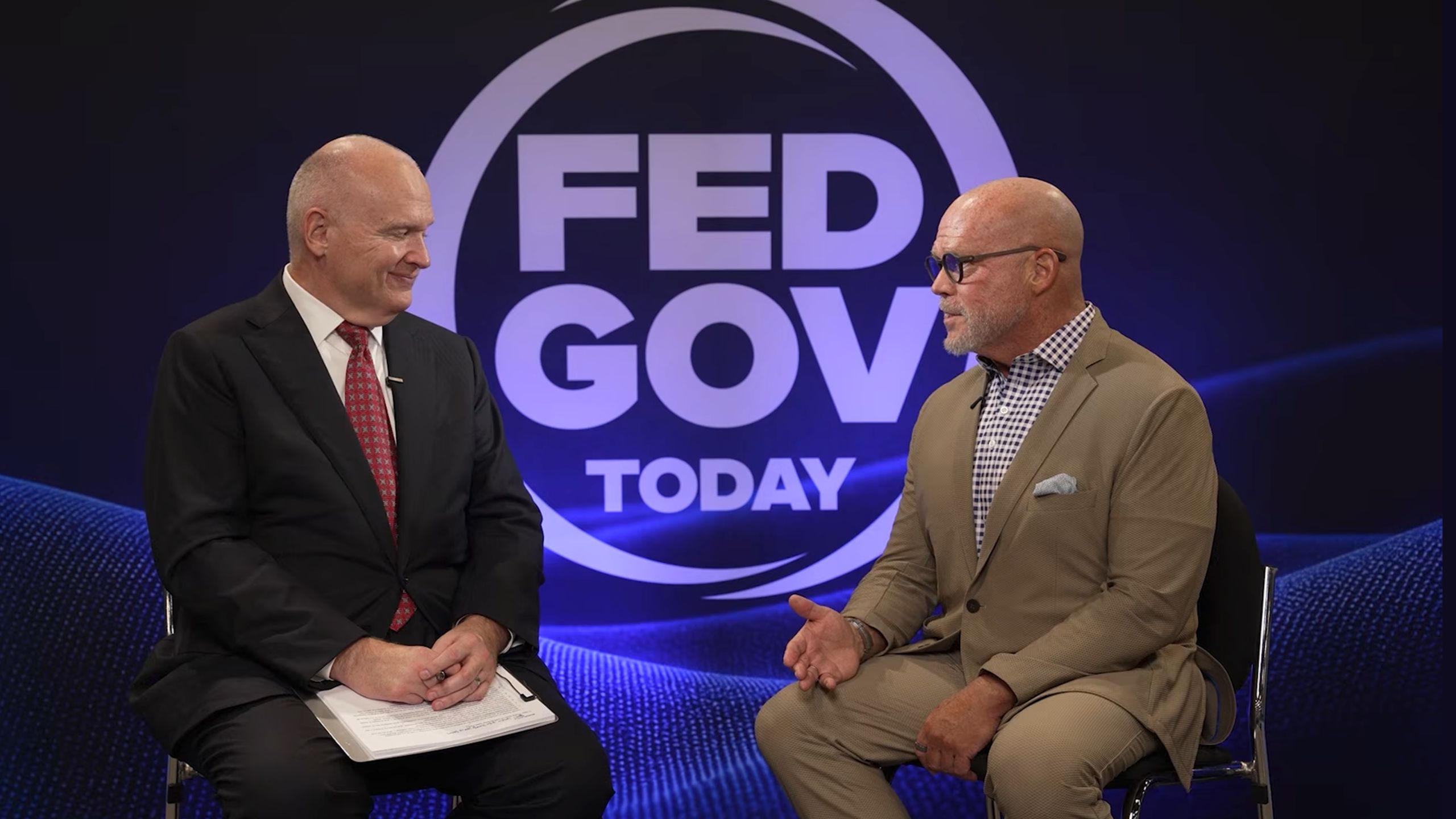
David Wallach, Senior Director of Defense Programs at Penlink, described that shift in a recent interview with Fed Gov Today at the DoDIIS Worldwide Conference. His view is clear: AI should handle the volume work, while people stay responsible for judgment, trust, and the decisions that follow.
For years, the intelligence challenge was access. Today, the challenge is volume. Wallach calls the result “information toxicity.” At that point, the amount of available data actively works against the people trying to use it.
Manual review cannot keep pace with that volume and as a result, analysts spend more time sorting noise than producing insight. Meanwhile, decision windows keep shrinking.
This pressure is not limited to one discipline. Open-source reporting, sensor data, and signals all compete for the same limited analyst attention. Without a way to prioritize, valuable indicators can sit unread until the moment for action has passed.
The goal, therefore, is not more data, it is actionable intelligence delivered at mission speed. That means systems that surface relationships and reduce manual work, so analysts can focus on what the information means.
Early efforts focused on fitting machines into existing human workflows. According to Wallach, that approach has flipped. Human-machine teaming now works as a partnership. Systems take on the repetitive work, and people take on the judgment.
Advanced analytics and agentic AI handle collection, correlation, and summary across large data sets. However, the human remains essential. Analysts ask the next critical question, test assumptions, and guide the outcome.
This model also changes the analyst’s role. Less time goes to gathering and formatting, while more time goes to interpretation, context, and the questions a system cannot ask on its own.
Policy researchers have reached a similar conclusion. A joint report on AI and intelligence analysis from U.S. and Australian policy researchers recommends human-machine teams in which people keep oversight of analytic assessments. In other words, the machine accelerates the work, but the analyst still owns it.
Wallach shared an example from a live operational setting. A team needed a threat assessment for a convoy moving through an active conflict zone. Using natural language queries, the system produced a living document rather than a static report.
That assessment updated as conditions changed. Midway through the mission, it even surfaced a safer and faster route. Consequently, the team could adjust in real time instead of relying on information that had already gone stale.
The time savings are just as significant. According to Wallach, some products that once took several analysts a week or more to compile, can now come together in roughly 20 minutes. Because of that, professionals gain time to review, refine, and act before a critical decision point arrives.
Speed means little without trust. For intelligence analysis to hold up, analysts need to see how a system reached its conclusions.
That is why Wallach argues against black-box outputs. Effective systems provide clear, line-item connections back to source intelligence. As a result, analysts can corroborate findings, challenge weak links, and stand behind what they deliver.
Trust also builds over time. When analysts can verify a system’s reasoning again and again, they learn where it performs well and where it needs closer review. Confidence then grows from evidence rather than assumption.
Saved time plays a role here too. When automation handles the first draft, analysts can invest more effort in corroboration. Ultimately, success is measured by whether trusted intelligence reaches decision-makers in time to change outcomes.
Adversaries have access to many of the same technologies; however, they often adopt them without the bureaucratic friction that democratic institutions face.
That gap matters for defense and national security teams. Wallach’s view is that government should streamline how new capabilities move into missions. At the same time, accreditation, security, and oversight cannot be set aside.
Teams that start with outcomes can evaluate new capabilities more clearly. They can ask whether a tool shortens the path to a trusted product, rather than whether it is new. Consequently, human-machine teaming becomes a mission decision rather than a technology experiment.
The machine handles the volume. The analyst still asks the question that matters.
To see how CoAnalyst360 brings agentic AI into intelligence workflows, request a demo.
Analysts no longer struggle to find information. They struggle to find the right information fast enough to matter, and that is where human-machine teaming changes the work.

A bomb threat texted to 911 during a World Cup match at MetLife Stadium led to a rapid multi-agency response and an arrest. The case shows how quickly event security teams must move from threat to answer.
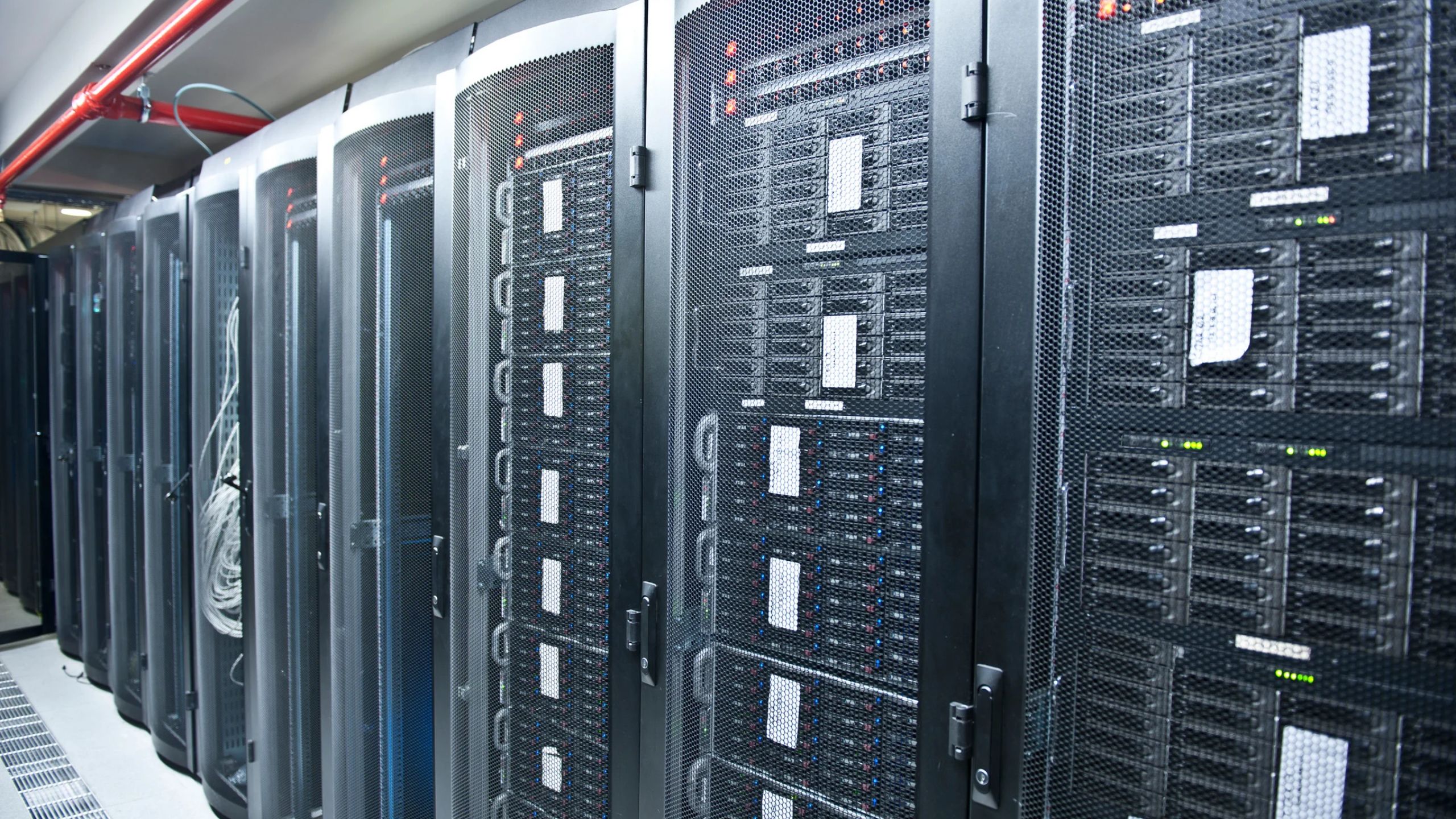
Las amenazas contra los centros de datos van desde amenazas de bomba hasta ataques con drones. La mayoría aparece primero en fuentes abiertas, para los equipos que saben dónde buscar.
Threats to data centers now range from bomb threats to drone strikes. Most of them show up in open sources first, for teams that know where to look.

Penlink analysts walk through a real investigation into a suspected Albanian organised crime group, using open-source data in Tangles and CoAnalyst360 and evidence-based analysis in PLX to surface poly-criminal connections.

A Placer County prosecutor and crime analyst walk through a fentanyl murder case and show how 1.2 terabytes of warrant returns became the exhibits that sent a dealer to prison for life.