Your complete destination for Penlink training, with live sessions, on-demand modules, and certifications designed to give professionals the tools and confidence to succeed in real investigations.
Fentanyl by the Numbers: What the Data Tells Investigators
Date Posted: February 24th, 2026
The fentanyl crisis has produced a staggering volume of data. Seizure numbers, overdose statistics, counterfeit pill counts, and substance testing results all tell a story. But for law enforcement, the more important question is: what does that story mean, and how should it shape investigative priorities?
Understanding the numbers behind the fentanyl crisis is not just an academic exercise. It is an operational one. The data points to where the threat is evolving, where enforcement is working, and where gaps remain. For agencies trying to allocate resources and build cases that matter, that context is essential.
The Scale Is Unlike Anything We Have Seen Before
Fentanyl is now the leading cause of death for Americans aged 18 to 45. That single statistic reframes the entire conversation. This is not a crisis confined to a specific community, demographic, or region. Every corner of the country has been touched by it.
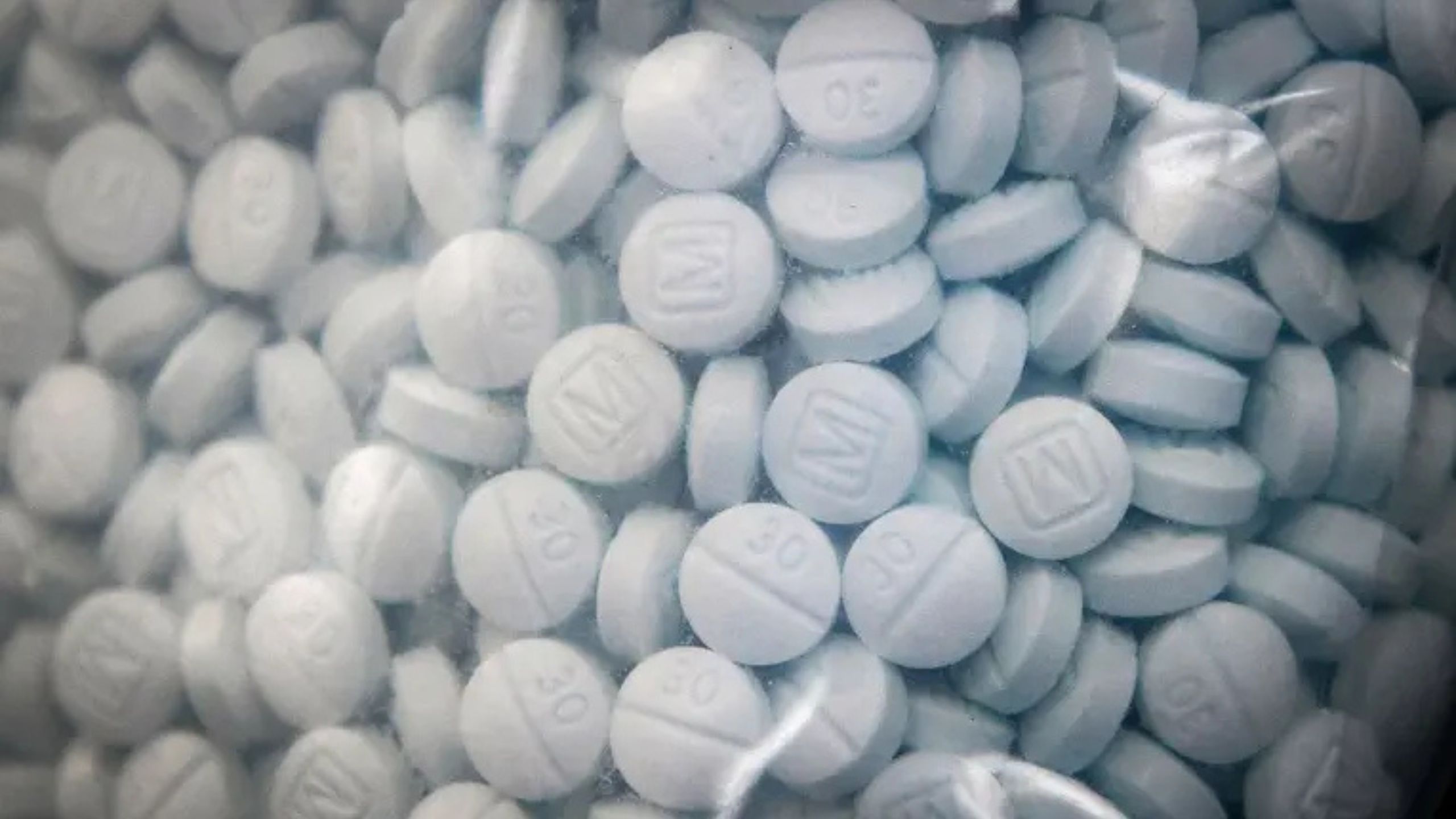
Recent federal seizure data reflects that scale. In one year alone, federal and state partners seized more than 47 million counterfeit fentanyl pills and over 10,000 pounds of fentanyl powder. To put that in context, it only takes two milligrams of fentanyl to potentially cause a fatal overdose. The volume seized represents a threat measured in the hundreds of millions of potential deaths.
For investigators, these numbers are not just alarming. They are a baseline. They define the environment agencies are operating in and the scale of the networks they are working to disrupt.
The Decline in Overdose Deaths Is Real. So Is the Caution.
Recent federal public health data shows a meaningful decrease in fentanyl-related overdose deaths. That is a significant development. It reflects years of work by law enforcement, public health agencies, and community organizations. It is worth acknowledging.
However, it is not a signal to ease up. Federal border seizure data has also shown a decline, which some interpret as reduced production rather than reduced demand. Networks that have been disrupted do not disappear. They adapt. They diversify. And the substances they are now moving are, in many cases, more dangerous than fentanyl itself.
The downward trend in overdose deaths is the result of sustained pressure. Maintaining that pressure requires understanding what the data is actually telling us, not just the headline number.
The Threat Is Evolving Faster Than the Response
Fentanyl alone is no longer the full picture. Law enforcement is now tracking a growing list of synthetic substances including carfentanil, nitazenes, and xylazine, each presenting new challenges for investigators, first responders, and medical personnel.
Carfentanil, for example, is estimated to be roughly 100 times more potent than fentanyl. A recent seizure in Los Angeles recovered more than 628,000 carfentanil pills in a single operation. Meanwhile, federal drug testing data found that 36 percent of fentanyl powder samples in 2024 contained xylazine, a veterinary sedative that complicates overdose treatment and causes severe tissue damage.
These are not isolated data points. They represent a deliberate and ongoing evolution in how illicit substances are manufactured and distributed. For investigators tracking these networks, staying current on what the data is showing is not optional. It is part of the job.
Domestic Production Has Changed the Equation
One of the most significant shifts reflected in recent data is the growth of domestic pill press operations. Manufacturing is no longer happening exclusively across the border. Chemicals sourced internationally are being processed and pressed into counterfeit pills inside the United States.
In one well-documented case, a single pill press seized in a garage in Connecticut was capable of producing 100,000 pills per hour. A separate multi-agency operation recovered 1.7 million counterfeit pills from a single storage unit. These numbers illustrate how quickly supply can scale, and why disrupting one operation rarely ends the flow.
For agencies building cases, this data reinforces the importance of a network approach. Seizing product matters. But understanding where it came from, how it was financed, and who else is connected to the operation is what leads to lasting disruption.
What the Data Demands From Investigators
The numbers behind the fentanyl crisis point to a few clear realities. The threat is large, it is evolving, and it is embedded in networks that cross jurisdictions and international borders. No single agency has the full picture.
That means the data is only as useful as the infrastructure around it. Federal seizure reports, substance testing results, and overdose data all become more actionable when agencies can share intelligence across organizational lines.
The decline in overdose deaths shows what coordinated, data-informed enforcement can achieve. Sustaining that progress means continuing to treat the numbers not as endpoints, but as inputs into a larger investigative picture.
The data tells a story. The question is whether agencies have the tools to act on it.
Penlink helps investigative teams cut through large volumes of data to surface the connections that matter. Request a demo to see how it works in practice.
A Detroit man awaiting trial for murder in the Na’Ziyah Harris case now faces additional charges involving a second child, showing how connected investigations can uncover patterns that extend well beyond the original case.
A Memphis jury convicted Justin Johnson of first-degree murder in the 2021 murder-for-hire killing of rapper Young Dolph, showing how digital evidence can close cases where physical evidence falls short.
Fentanyl’s designation as a weapon of mass destruction is more than a policy headline. Here is what it means in practice for investigators and agencies on the front lines.
44 missing and endangered children and teens were located during a focused, three-day operation in Westchester County, bringing together more than 70 agencies united by one goal.