Your complete destination for Penlink training, with live sessions, on-demand modules, and certifications designed to give professionals the tools and confidence to succeed in real investigations.
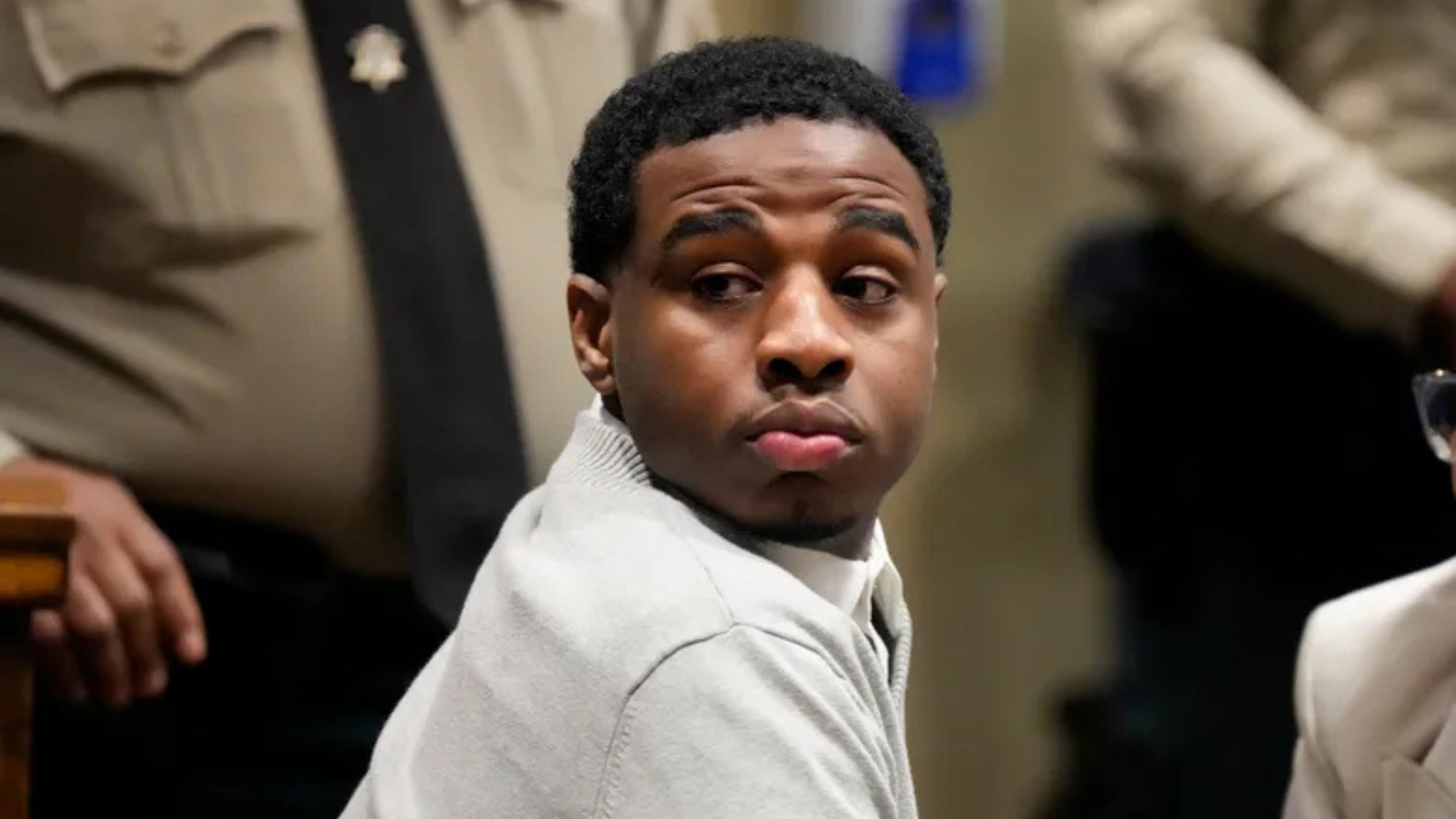
Memphis Man Convicted of Murder-for-Hire in Killing of Rapper Young Dolph
Date Posted: February 24th, 2026
A Memphis jury found Justin Johnson guilty on September 26, 2024, of first-degree murder, conspiracy to commit first-degree murder, and being a convicted felon in possession of a firearm in the killing of rapper Young Dolph, whose legal name was Adolph Thornton Jr. Shelby County Criminal Court Judge Jennifer Mitchell sentenced Johnson to life in prison the same day the verdict was read.
The killing took place on November 17, 2021, at Makeda’s Homemade Butter Cookies on Airways Boulevard in Memphis. According to testimony presented at trial, Johnson and co-defendant Cornelius Smith opened fire on Young Dolph inside the bakery, striking him 22 times. The two fled the scene in a stolen white Mercedes-Benz that was later recovered near a home connected to a third defendant.
The case involved multiple defendants and a layered conspiracy. Smith, who admitted to being one of the gunmen, testified that Anthony “Big Jook” Mims, the brother of rapper Yo Gotti, had arranged a $100,000 contract on Young Dolph and other artists signed to his record label, Paper Route Empire. Prosecutors argued that Hernandez Govan, a third defendant, facilitated the connection between the shooters and those who ordered the hit. Govan’s trial was set for 2025.
Building the case against Johnson required investigators to piece together a significant body of circumstantial and digital evidence. Cell phone records placed Johnson’s device in the vicinity of Makeda’s at the time of the shooting. Call detail records showed communication between Johnson, Smith, and Big Jook in the hours surrounding the murder. Surveillance footage from the scene and from Johnson’s apartment complex were also central to the prosecution’s case. A witness testified that Johnson had taken possession of the vehicle later used in the killing.
The defense challenged the sufficiency of that evidence throughout the trial, noting that Johnson’s DNA was not recovered from the getaway car and that the murder weapons were never found. Johnson did not take the stand. After four hours of deliberation, the jury returned guilty verdicts on all counts.
On November 1, 2024, Judge Mitchell sentenced Johnson to an additional 35 years for the conspiracy charge and 15 years for the firearm charge, with those two sentences running concurrently. A subsequent motion for a new trial was denied.
The conviction in a high-profile murder-for-hire case, where physical evidence was limited, reflects how digital records, location data, and coordinated investigative work can close gaps that would otherwise benefit the defense. Cases like this one underscore why the ability to rapidly process and connect call detail records, device location data, and surveillance timelines is critical for investigators working complex, multi-defendant conspiracies.
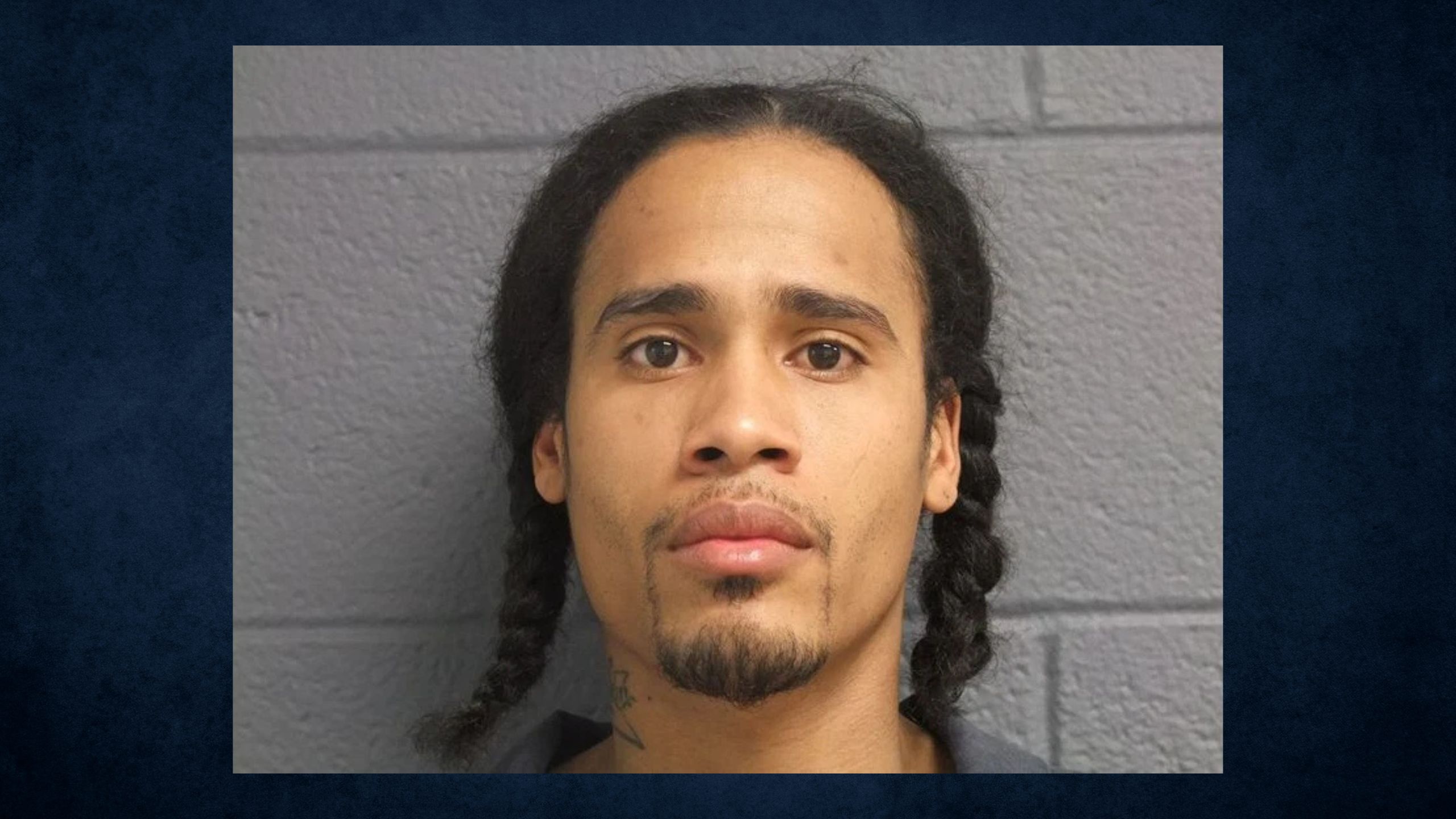
A Detroit man awaiting trial for murder in the Na’Ziyah Harris case now faces additional charges involving a second child, showing how connected investigations can uncover patterns that extend well beyond the original case.
A Memphis jury convicted Justin Johnson of first-degree murder in the 2021 murder-for-hire killing of rapper Young Dolph, showing how digital evidence can close cases where physical evidence falls short.
Fentanyl’s designation as a weapon of mass destruction is more than a policy headline. Here is what it means in practice for investigators and agencies on the front lines.
44 missing and endangered children and teens were located during a focused, three-day operation in Westchester County, bringing together more than 70 agencies united by one goal.