Your complete destination for Penlink training, with live sessions, on-demand modules, and certifications designed to give professionals the tools and confidence to succeed in real investigations.
How PLX & CoAnalyst Work Together to Simplify Digital Investigations
Date Posted: May 14th, 2025
Streamlining Digital Investigations with AI-Powered Tools
Law enforcement and investigative professionals handle overwhelming amounts of digital evidence, from call detail records to social media data, financial transactions, and mobile forensics. Manually sifting through this data is time-consuming and prone to human error. This is where CoAnalyst and Penlink’s digital intelligence solutions come in, offering a seamless AI-powered approach that simplifies investigations, improves efficiency, and enhances case outcomes.
By integrating Penlink’s data management platform with CoAnalyst’s AI-driven intelligence, investigators can quickly process, analyze, and extract meaningful insights from massive datasets. Here’s how these tools work together to transform digital investigations.
The Power of Penlink: Centralized Data Management
Penlink’s investigative platform is designed to ingest, normalize, and analyze vast amounts of structured and unstructured digital evidence. Investigators rely on it to:
1. Aggregate and Normalize Data
Automatically ingest data from over 1,000 providers, including mobile carriers, social media platforms, and financial institutions
Normalize time zones and standardize data formats for easy analysis
2. Conduct Cross-Source Analysis
Combine call detail records (CDRs), social media data, forensic extractions, and OSINT in a single investigative platform
Identify connections between suspects, locations, and events across multiple data sources
3. Enhance Collaboration
Store and share case data securely, allowing multiple investigators to collaborate in real time
Generate reports for legal teams, prosecutors, and command staff
The Role of CoAnalyst: AI-Driven Investigative Intelligence
While Penlink efficiently manages and organizes digital evidence, CoAnalyst applies AI and natural language processing (NLP) to uncover insights faster than traditional review methods.
1. AI-Powered Search & Analysis
Ask natural language questions like “Are there any financial transactions over $10,000?” or “List all communication between these two suspects.”
AI understands context, corrects misspellings, and processes large volumes of data instantly
2. Automated Pattern Recognition
Detects trends, anomalies, and red flags such as unusual phone activity or geolocation patterns
Flags high-risk interactions to help investigators prioritize leads
3. Effortless Data Visualization & Reporting
Translates raw data into charts, timelines, and link diagrams for quick understanding
Automates court-admissible reports, saving hours of manual work
How PLX and CoAnalyst Work Together
Together, these tools offer a full-spectrum digital investigation solution. Here’s how the typical workflow unfolds:
Step 1: Ingest Data
Upload mobile forensics, social media records, and financial transactions into the PenLink platform.
Step 2: Activate CoAnalyst
With the click of a button, CoAnalyst scans and analyzes the case data—answering questions, flagging risks, and highlighting relationships.
Step 3: Generate Reports and Visuals
Investigators extract insights and create easy-to-read reports for internal use, court presentation, or cross-agency collaboration.
The Future of Digital Investigations
The integration of Penlink and CoAnalyst represents the next generation of investigative technology. By combining AI, automation, and centralized data management, these tools empower investigative teams to:
✅ Solve cases faster with AI-powered intelligence ✅ Reduce workload by automating time-consuming tasks ✅ Improve accuracy and reduce human bias in data analysis ✅ Increase investigative efficiency across multiple data sources
Want to see how CoAnalyst and Penlink’s tools can transform your digital investigations? Request a demo and experience the power of AI-driven intelligence for law enforcement.
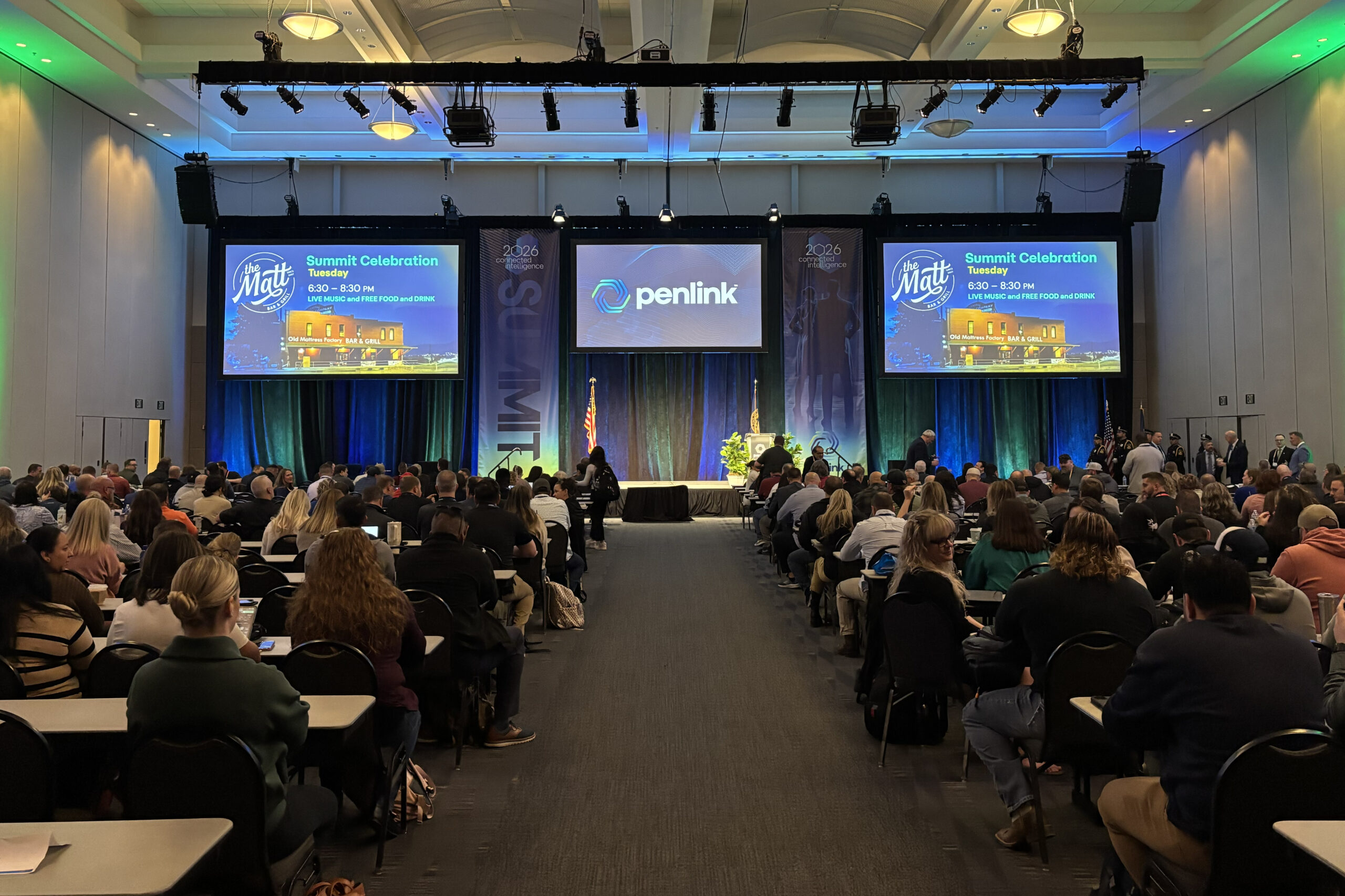
The Penlink Training Summit returns to Omaha, Nebraska, March 8–10, 2027, bringing together investigators, analysts, agency leaders and security professionals for two and a half days of training, learning and collaboration.
Europol brought together investigators, analysts and open-source intelligence specialists from 12 countries for a four-day operation targeting human trafficking networks exploiting Ukrainian nationals online.
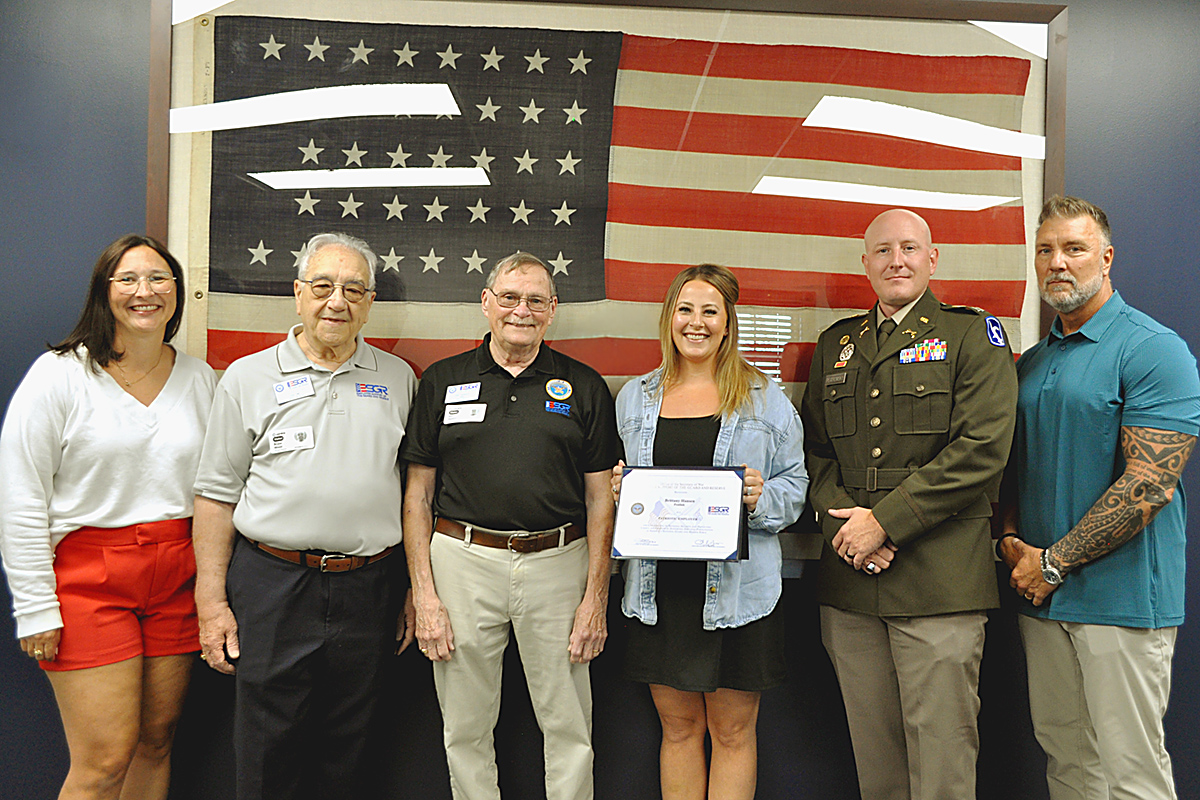
Penlink, a leading provider of digital intelligence solutions for law enforcement, national security, defense and enterprise organizations, announced today that Training Manager Brittany Hansen was presented with the Patriot Award from the Employer Support of the Guard and Reserve (ESGR), a Department of War program.
Chicago police and the U.S. Marshals Service teamed up this spring. Their goal: find missing juveniles fast. Over ten days in May, Operation Safe Return Chicago located 30 missing kids across the city.
A Lake County, Florida jury found two men guilty on drug trafficking and related charges tied to a 2022 investigation into narcotics sales across the Leesburg, Mount Dora, and Fruitland Park area.
The Department of Homeland Security announced the results of a nationwide crackdown on human trafficking coordinated around the 2026 FIFA World Cup. Homeland Security Investigations (HSI), the DHS Center for Countering Human Trafficking, and federal, state, and local partners arrested 905 suspects and rescued 180 victims — 150 adults and 30 juveniles — across World Cup host cities.