Your complete destination for Penlink training, with live sessions, on-demand modules, and certifications designed to give professionals the tools and confidence to succeed in real investigations.
CoAnalyst360 and the Shift From Generative to Agentic AI
Date Posted: August 22nd, 2026
Investigators have spent the last few years learning how to work alongside generative AI. It can summarize evidence, draft reports, organize information, and answer questions in seconds. CoAnalyst360 represents the next evolution: agentic AI. Instead of simply responding to a prompt, agentic AI can work toward a broader objective, planning steps, evaluating information, and adapting as new data becomes available.
The difference between generative and agentic AI is not a minor upgrade. It changes what an investigator can reasonably ask a system to do, and it changes what comes back. Understanding that shift matters before any agency decides how agentic tools fit into its workflow.
From One Task to One Objective
Traditional generative AI is largely prompt-driven. An investigator asks a question or gives the system a task, and AI produces a response based on the information available at that time. It is efficient, but it is also static. Additionally, it does not revisit the question once new information arrives.
Agentic AI approaches the problem differently. Instead of focusing only on a single request, it can work toward a broader objective across multiple steps, sources, and decision points. It can evaluate what it finds, determine what should happen next, and continue pursuing the objective as additional information becomes available.
CoAnalyst360 is built around this distinction. It interprets a broader investigative objective, breaks that objective into the steps needed to pursue it, and carries the work forward instead of stopping after one response.
A Familiar Comparison: Cruise Control Versus Self-Driving
Cruise control is a useful comparison for generative AI. It holds a car at a set speed until the driver changes it. It performs one task well, but the driver remains responsible for deciding what happens next.
A self-driving vehicle behaves differently. It continuously reads new information, from traffic to road conditions to pedestrians, and adjusts its decisions in real time. Agentic AI follows the same principle. Instead of holding steady on one instruction, it keeps scanning, evaluating, and adapting as additional information becomes available, moving forward.
Applied to an investigation, that means CoAnalyst360 does not treat a case as a single question, followed by a single answer. It treats a case as an ongoing objective that shifts as new evidence, records, or additional information comes in.
Planning a Trip Versus Managing One
A simple way to understand the difference is to think about planning travel. A generative AI tool can build an itinerary based on the information available when asked. That itinerary is a snapshot. It does not update if a flight changes or a venue closes.
An agentic approach manages the trip instead of just planning it. It tracks changing conditions, adjusts the plan, and works toward the traveler’s underlying goal rather than a fixed list of steps. The objective stays constant even as the path to reach it changes.
Investigations behave the same way. A case rarely follows a straight line, and new information regularly changes what matters most. CoAnalyst360 is designed to work from the underlying investigative goal, not a single fixed instruction, so it can adjust as the case develops.
Why This Distinction Matters for Investigators
Agencies are not short on data. They are short on time to connect it. Generative AI helps with individual tasks, but it still requires an investigator to ask the right question at the right moment, every time.
Agentic AI changes that requirement. Because the system works continuously toward an objective, it can surface connections an investigator did not think to ask about. That does not remove the investigator from the process. It makes the investigator’s role even more focused on what matters most: judgment, verification, context, and decision-making.
CoAnalyst360 is built specifically for that role within a law enforcement workflow, helping carry the analytical workload forward as an investigation develops, rather than requiring investigators to repeatedly restart the process with every new piece of information.
Agentic AI does not replace investigative judgment. It gives investigators a way to apply that judgment to more current, connected, and continuously evolving information.
CoAnalyst360 brings agentic AI into the Penlink platform to help investigators keep pace with cases that never stop moving. Request a demo to see it in action.
A Placer County prosecutor and crime analyst walk through a fentanyl murder case and show how 1.2 terabytes of warrant returns became the exhibits that sent a dealer to prison for life.
The Penlink Training Summit returns to Omaha, Nebraska, March 8–10, 2027, bringing together investigators, analysts, agency leaders and security professionals for two and a half days of training, learning and collaboration.
Europol brought together investigators, analysts and open-source intelligence specialists from 12 countries for a four-day operation targeting human trafficking networks exploiting Ukrainian nationals online.
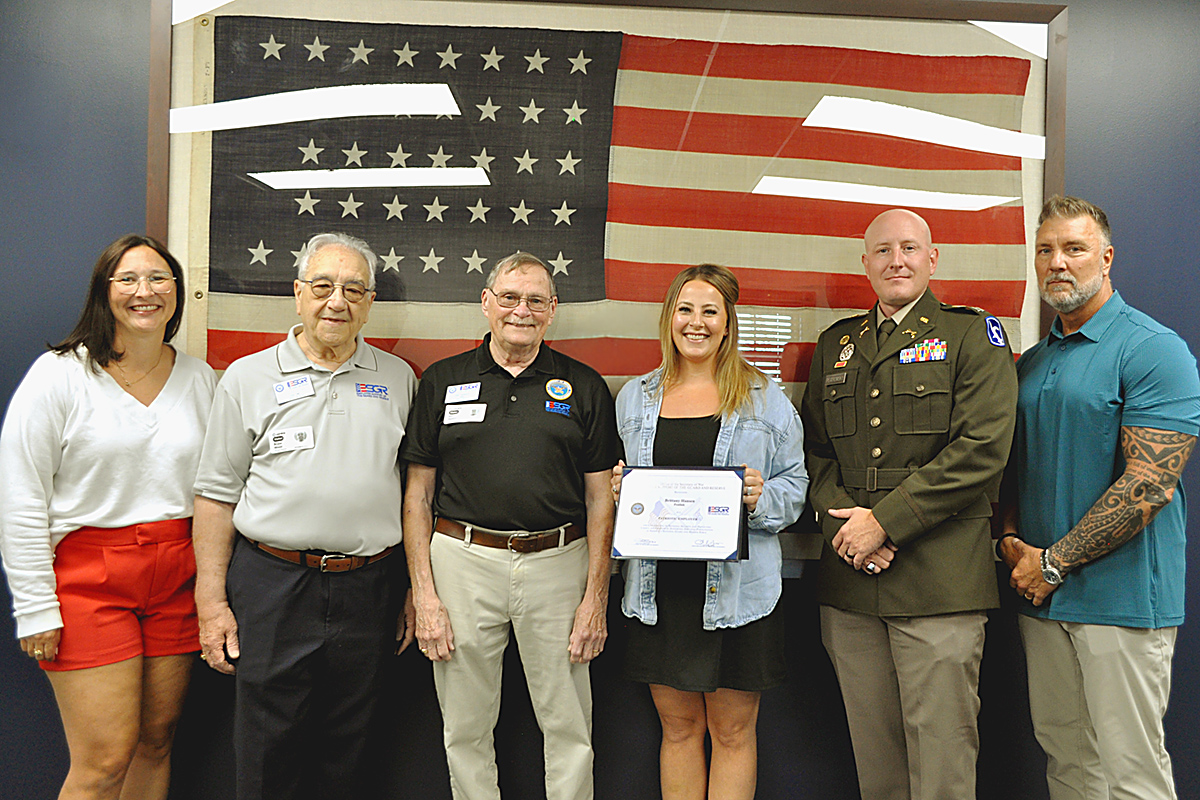
Penlink, a leading provider of digital intelligence solutions for law enforcement, national security, defense and enterprise organizations, announced today that Training Manager Brittany Hansen was presented with the Patriot Award from the Employer Support of the Guard and Reserve (ESGR), a Department of War program.
Chicago police and the U.S. Marshals Service teamed up this spring. Their goal: find missing juveniles fast. Over ten days in May, Operation Safe Return Chicago located 30 missing kids across the city.
A Lake County, Florida jury found two men guilty on drug trafficking and related charges tied to a 2022 investigation into narcotics sales across the Leesburg, Mount Dora, and Fruitland Park area.