Your complete destination for Penlink training, with live sessions, on-demand modules, and certifications designed to give professionals the tools and confidence to succeed in real investigations.
Sports security OSINT starts long before kickoff, which is the easy part to protect. The stadium is screened, staffed, and guarded. Metal detectors at the gates, cameras in the bowl, a command post watching the crowd.
Then the game ends, and the players go home to houses mapped on Instagram three days ago. The star quarterback’s family shows up in a bettor’s replies. A coach’s home address moves through a private channel after a bad call. A fan buys a ticket from a spoofed domain and shows up to a turnstile that won’t scan it.
None of that happens inside your perimeter, yet all of it is your problem.
The threats to a modern sports enterprise begin in open sources, weeks before anyone shows up in person. The same open-source intelligence that adversaries use to find your people is the intelligence that lets you get there first.
Your players’ homes are being cased in public
In late 2024, organized theft rings hit the homes of some of the biggest names in the NFL and NBA: Patrick Mahomes, Travis Kelce, Joe Burrow, Luka Doncic, among many. The FBI warned the leagues that crime organizations were tracking players online to know exactly when they would be on the road.
This was reconnaissance, not luck. The crews read game schedules, travel posts, and location tags to confirm an empty house, then arrived with Wi-Fi jammers to defeat the smart-home alarms. In a three-month stretch, at least nine athletes were hit while their teams were away.
The roadmap the athlete publishes without knowing it creates the exposure, not the burglary itself. Schedules, geotags, a driveway in the background of a family photo are all public. Stitched together, they form a blueprint.
Protective intelligence flips the roadmap. With Tangles, you monitor the open-source footprint of your protected people the way an adversary would, and you see the exposure first: a home address surfacing in a reply, a player’s residence tagged in someone else’s post, a pattern of location data that makes a travel week predictable.
A bad bet is now a threat vector
Legal sports betting changed the math on player safety. When a wager is tied to one athlete’s performance, the loss becomes personal, and personal losses escalate.
The numbers back this up. NCAA-backed research found that roughly one in three high-profile athletes receive abusive messages from someone with a betting interest. During a single championship stretch, analysts confirmed about 4,000 abusive or threatening posts aimed at players, coaches, and officials, including hundreds of direct threats. The abuse now runs hot enough that a major sportsbook rolled out a zero-tolerance policy letting it ban customers who threaten athletes.
The pattern is consistent: it starts as abuse, moves to doxxing of home addresses and family members, then escalates to contact attempts at practice facilities, hotels, and residences. The dangerous escalation looks identical to the noise until you separate them.
After a tough loss, a player can draw thousands of hostile posts in an hour. Reading them by hand is not triage. CoAnalyst360 works that volume for you: it reads the flood, ranks what carries capability, proximity, and intent, and hands your analyst a short, readable assessment instead of an endless feed. Tangles then maps whether a flagged account is one angry person or a node in something coordinated. You spend your attention on the handful of signals that can reach the parking lot.
The fixated fan does not stop at the DM
Online fixation has a physical endpoint, and the runway is shorter than most security plans assume.
Every one of those cases left a trail before it became a body in the crowd. Fixated individuals rarely go quiet: they post, announce travel, reference the venue, the date, the schedule, and telegraph the approach.
Tangles pairs deep monitoring of a named subject of concern with broad discovery that surfaces the fixated person nobody has flagged yet. Persistent, defensible collection makes the escalation pattern visible across weeks, which is where the dangerous individual separates from the merely angry one. You identify the approach while it is still a post, not when it is a face in the second row.
Game day’s weak point is everywhere the turnstile isn’t
Security posture is lowest where crowd density is highest. Inside the bowl, you have control. The tailgate lots, transit platforms, rideshare queues, bar districts, and fan festivals are where the crowd is thickest, and the screening is thinnest.
A fabricated active-threat report costs nothing to produce and can consume your entire response. Worse, a false shooter rumor that reaches sixty thousand phones before it reaches your command post can produce a crowd crush with no actual threat behind it.
Convergence plans, unauthorized drone chatter, and resale-fraud spikes all live in open sources in the days around a game.
The requirement is speed on two fronts at once: knowing how fast a rumor is spreading, and working back toward who started it. CoAnalyst360 gives you the situational read in near real time, summarizing what is propagating and how far, so you decide on facts, not fragments. Tangles works the attribution layer underneath, so the same event that triggers the crowd also gives you the account behind it.
Counterfeiters are working your brand while you watch
Every high-demand game spins up a fraud economy that trades on your name and burns your fans.
Spoofed and typosquatted domains harvest personal data and sell worthless tickets. Fake merchandise moves at scale. Ahead of the most recent Super Bowl, federal agents intercepted more than $33 million in counterfeit sports merchandise, including fake jerseys and tickets, in a single coordinated sweep. Then there is impersonation: accounts posing as players, the team, or the league to run scams in your voice. Each fraud is a financial hit to a fan and a reputational hit to you, because from the fan’s seat it was your brand that failed them.
This is brand and asset protection, and it is an OSINT problem before it is a legal one. Tangles follows the fraud infrastructure across surface, deep, and dark web sources: the spoofed domains as they spin up, the counterfeit listings, the impersonation networks reusing the same handles and images. CoAnalyst360 turns that sprawl into a prioritized picture of what is live right now and what is worth acting on this week. You protect the fan, the gate revenue, and the brand in one workflow.
Your front office is a sports security target
Protect only the roster and you leave your highest-value people in the open. Owners, executives, coaches, and officials are all reachable, and all increasingly targeted.
A referee makes one call and the threats reach their home and family. An executive makes a routine decision and a defamation campaign spins up overnight, engineered to look like grassroots outrage. In July 2025, a gunman targeting NFL headquarters killed four people at the Manhattan building housing the league offices. The NFL answered with refreshed threat assessments and armed security at team and league facilities whenever players and staff are present.
These people carry the same exposure as your stars and almost none of the monitoring. Watch the executive and official footprint the way you watch the roster, so a leaked home address or a predictable travel pattern surfaces in open sources before anyone acts on it. Tangles runs that monitoring across the entire protected population. CoAnalyst360 reads what comes back and flags what matters, so covering everyone never means reading everything by hand.
None of this is possible if your analysts are drowning in feeds. However, it is possible when collection is broad, monitoring is persistent, and CoAnalyst360 reads the volume for you.
Why Tangles and CoAnalyst360?
Tangles is the discovery and monitoring engine. Broad discovery to surface the threat actor nobody has flagged, deep collection against named subjects of concern, and network analysis to tell one angry account from a coordinated campaign, across surface, deep, and dark web sources. Anonymized collection means you gather what you need without exposing your own people or maintaining covert infrastructure.
CoAnalyst360 is the workforce multiplier. It reads the flood, connects the signals, and hands your analyst a ranked, readable assessment instead of an endless queue. The work that used to take an analyst a shift takes minutes, the difference between briefing a player on Thursday and searching for a threat actor on Sunday.
Together they change what a lean security team can cover. You move from reacting to what already happened to closing exposure before it reaches your players, your fans, your venue, or your brand.
The season starts now. So does the exposure.
See what Tangles and CoAnalyst360 surface about your enterprise before Week 1. Request a demo to get your free risk report from our team of experts.
A Placer County prosecutor and crime analyst walk through a fentanyl murder case and show how 1.2 terabytes of warrant returns became the exhibits that sent a dealer to prison for life.
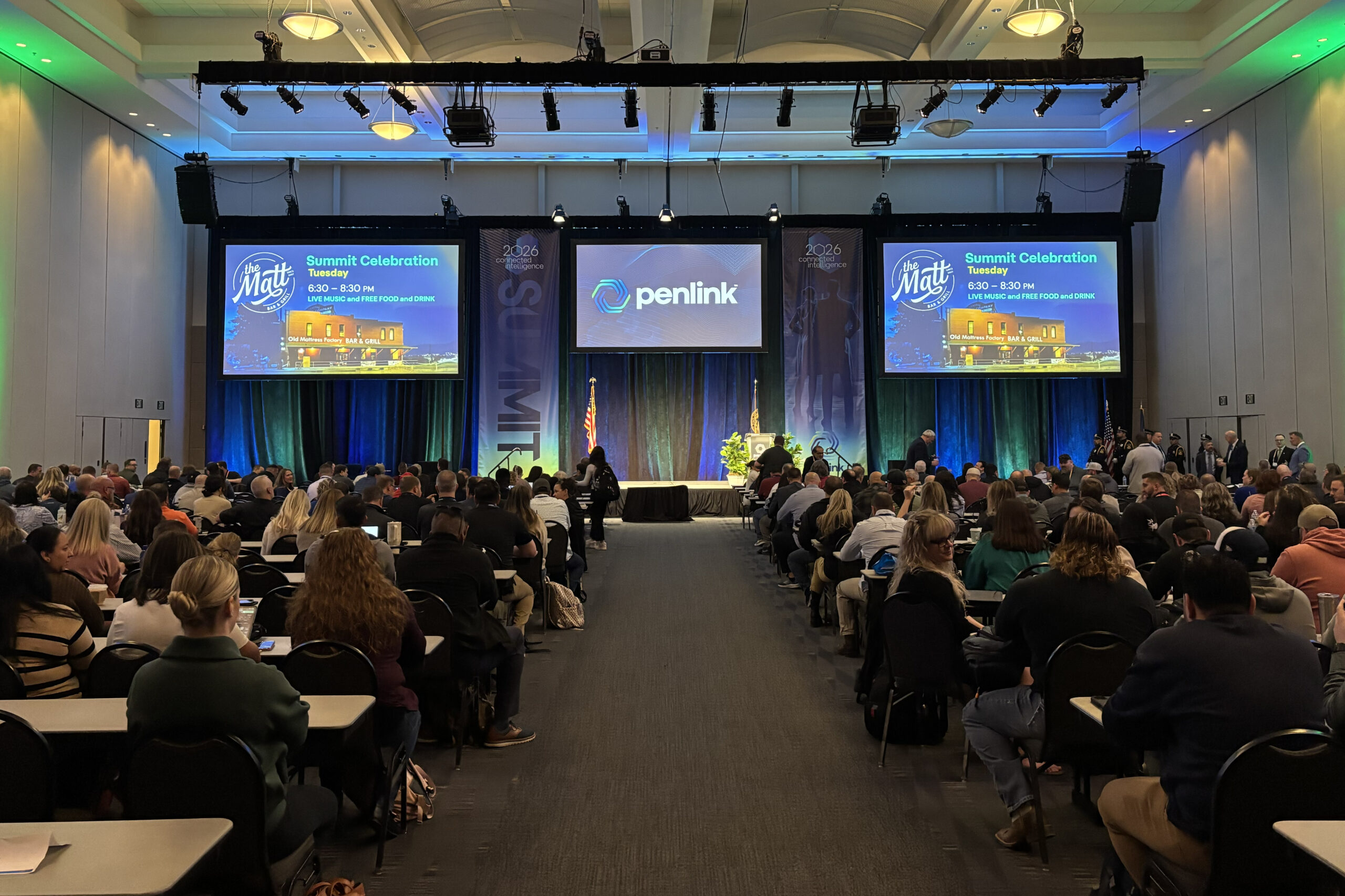
The Penlink Training Summit returns to Omaha, Nebraska, March 8–10, 2027, bringing together investigators, analysts, agency leaders and security professionals for two and a half days of training, learning and collaboration.
Europol brought together investigators, analysts and open-source intelligence specialists from 12 countries for a four-day operation targeting human trafficking networks exploiting Ukrainian nationals online.
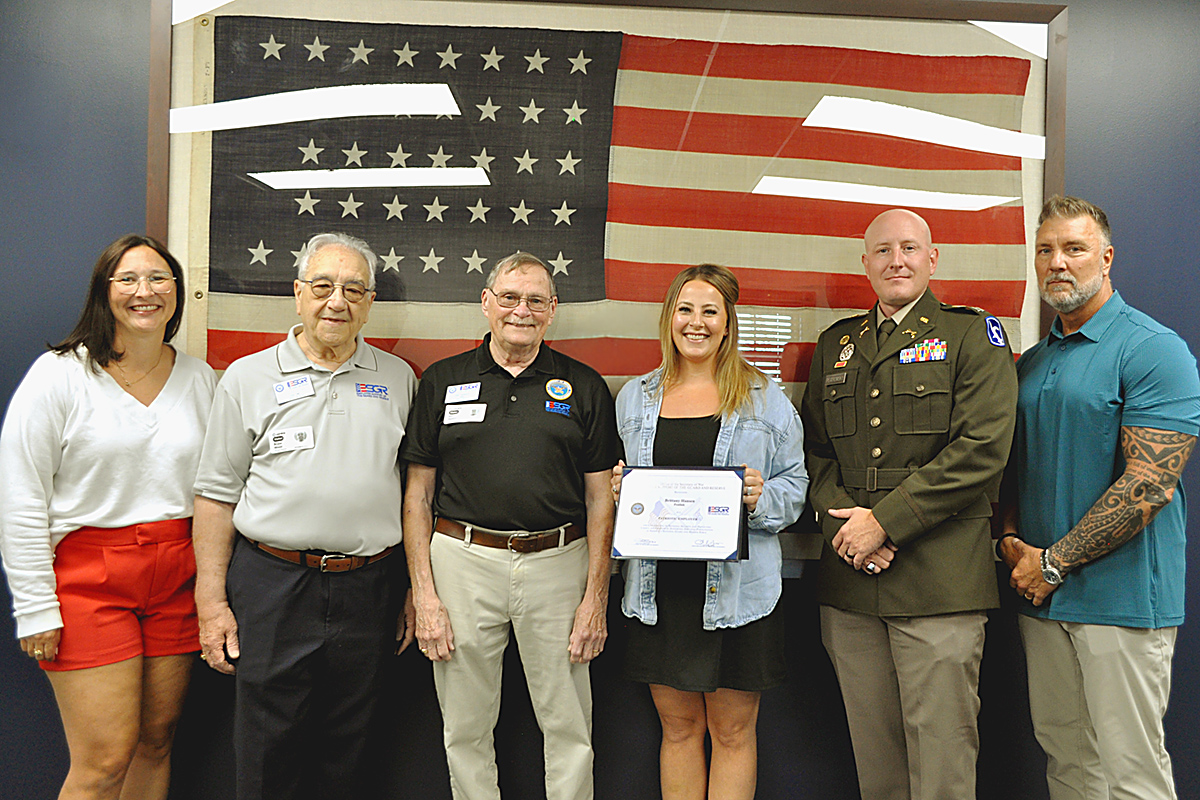
Penlink, a leading provider of digital intelligence solutions for law enforcement, national security, defense and enterprise organizations, announced today that Training Manager Brittany Hansen was presented with the Patriot Award from the Employer Support of the Guard and Reserve (ESGR), a Department of War program.
Chicago police and the U.S. Marshals Service teamed up this spring. Their goal: find missing juveniles fast. Over ten days in May, Operation Safe Return Chicago located 30 missing kids across the city.
A Lake County, Florida jury found two men guilty on drug trafficking and related charges tied to a 2022 investigation into narcotics sales across the Leesburg, Mount Dora, and Fruitland Park area.