Your complete destination for Penlink training, with live sessions, on-demand modules, and certifications designed to give professionals the tools and confidence to succeed in real investigations.
The Multi-Agent Investigation Stack: The Ultimate Intelligence Partner
Date Posted: December 9th, 2025
Udi Levy, Chief Product and Strategy Officer. Penlink.
Investigative teams today face a challenge that is not going away. Analysts and investigators must handle more digital evidence, more fragmented datasets, and more complex behavioral patterns. Communications records, financial flows, device extractions, digital traces, and threat signals collide across domains. The cognitive load is surpassing what a single person can reasonably manage. The gap is not due to a lack of skill. It is due to the shape and scale of modern data.
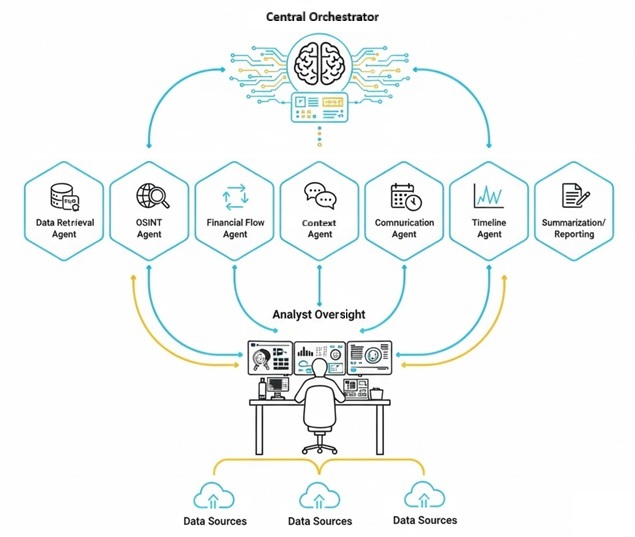
An AI-Powered Multi-Agent Investigation Stack offers a practical path forward. Parts of this architecture are already emerging in today’s systems: models that can call tools, retrieve data securely, maintain structured memory, and run reasoning chains. What is new is the idea of coordinating these capabilities through multiple specialized agents that work together like an investigative team. Instead of one agent trying to do everything, the workload is divided into well-defined components that can run in parallel and share data.
The core idea is straightforward. Different investigative tasks require different types of reasoning. Extracting entities from a messy report is not the same cognitive skill as evaluating movement consistency from CDRs. Detecting financial layering is not the same as interpreting OSINT signals. Analysts move through all these modes constantly. An AI-Powered multi-agent stack assigns each mode to an agent that is optimized for that specific type of analysis, orchestrated by a planner that understands how the pieces fit together.
This pattern is already taking shape in various systems. Agents can retrieve case data through RAG, call database queries, process signals, identify anomalies in structured data, reconstruct timelines, and draft coherent summaries. These components work today in isolation. When they are coordinated under a shared investigation plan, the system begins to behave less like a single process and more like a collaborative intelligence layer.
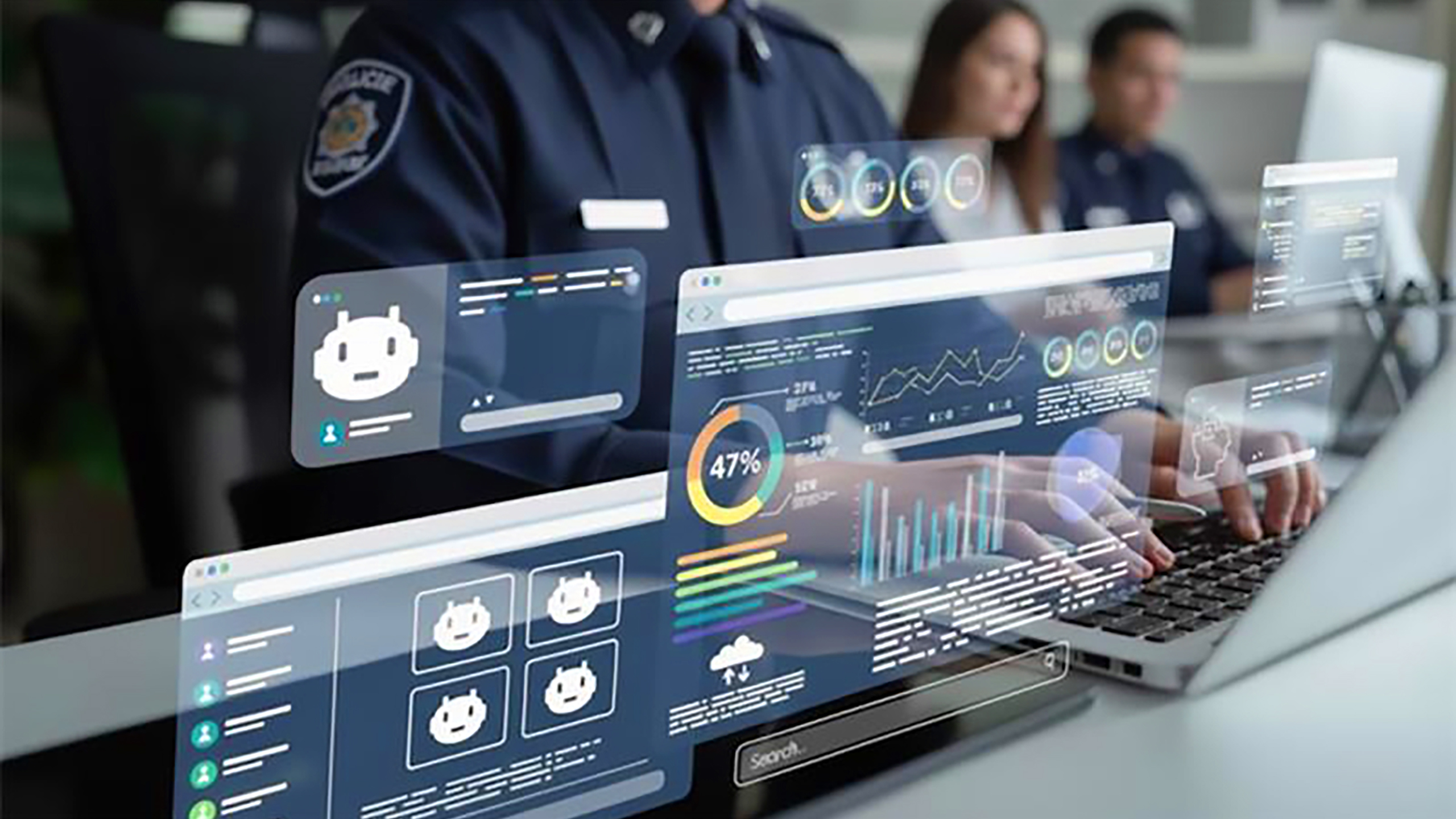
A look at how an AI-powered Multi-Agent Investigation Stack supports modern investigative teams by reducing cognitive load, streamlining analysis, and strengthening decision-making across public safety, AML, and threat monitoring workflows.
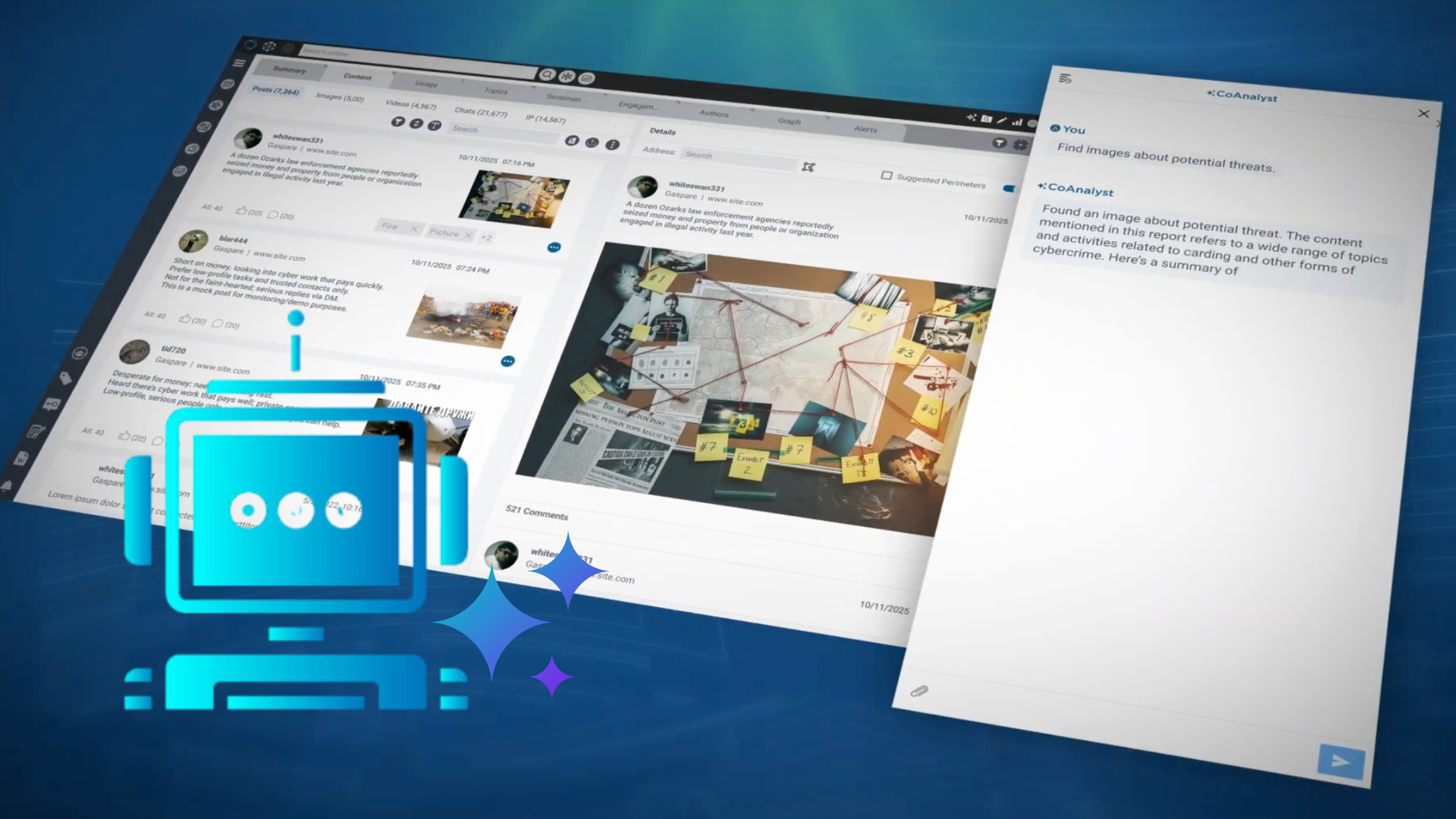
CoAnalyst brings generative AI into PLX to help investigators analyze data faster, surface key insights, and move through complex cases with more clarity.
At the National Mall, families and lawmakers united to raise awareness of the fentanyl crisis and highlight data-driven efforts to protect communities.
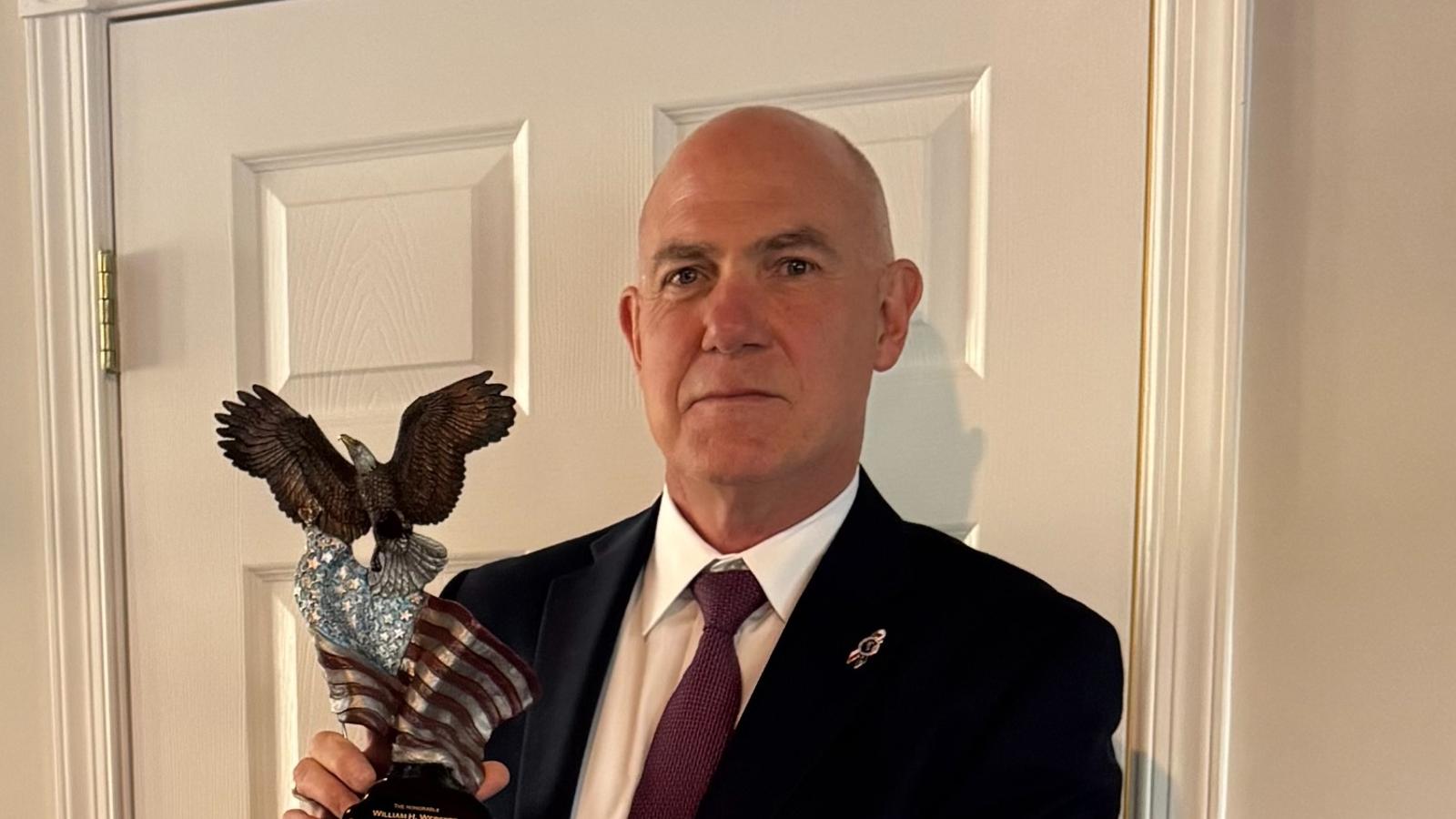
Penlink congratulates Derek Maltz on receiving the William H. Webster Profiles in Leadership Award, honoring his integrity, service, and longstanding commitment to public safety.
At the National Mall, families and lawmakers united to raise awareness of the fentanyl crisis and highlight data-driven efforts to protect communities.