Your complete destination for Penlink training, with live sessions, on-demand modules, and certifications designed to give professionals the tools and confidence to succeed in real investigations.
How CoAnalyst360 Gives Investigators Their Time Back
Date Posted: September 2nd, 2026
Every investigator loses time to work that has nothing to do with solving the case. Manual cross-referencing, repetitive daily checks, and report formatting all take hours that could go toward the investigation itself. CoAnalyst360 is built to take on that work so investigators can spend their time where it matters most.
Time is the resource agencies have little of. Caseloads grow, staffing remains limited, and the manual work surrounding an investigation does not shrink on its own. Agentic AI changes that equation by continuously handling repetitive tasks in the background while investigators remain focused on the case.
The Hidden Cost of Manual Cross-Referencing
Many investigative teams start each day the same way: checking new records against existing case information by hand. It is necessary work, but it is also repetitive, and it rarely changes from one day to the next.
That repetition adds up. An hour here and there may not sound significant until it is multiplied across a full caseload, every single day. Over a year, that time represents cases that moved slower than they needed to.
CoAnalyst360 is designed to run this kind of continuous cross-referencing automatically, flagging what is relevant. Instead of starting each morning by repeating yesterday’s searches, investigators can begin with what changed and what may deserve their attention. The investigator still reviews and verifies the results, but the initial legwork happens automatically.
Reporting Should Not Be the Hardest Part of the Job
Ask investigators where they lose time, and report writing is usually near the top of the list. Formatting, organizing findings, and matching agency style all take real time away from active investigative work.
This is not a small inefficiency. Investigators often describe spending the majority of their time assembling a final report rather than digging into the case itself. Therefore, the format of the reporting process has a direct effect on how many cases a team can move through.
CoAnalyst360 can generate reports directly from the findings it gathers, following an agency’s own templates and formatting. Once that structure is established, investigators are no longer rebuilding the same report framework from scratch for every case.
What Investigators Do With the Time Back
Time saved on manual tasks does not become free time. It becomes more time on the case, time spent interpreting connections, deciding what to pursue next, and verifying findings before they go into a report.
This shift matters because judgment is the part of the work that cannot be automated. As a result, agencies get more value out of the analysts and investigators they already have, without asking them to do more with fewer hours in the day.
CoAnalyst360 is built around this principle directly. By handling the repetitive and administrative layers of a case, it gives investigators room to focus on the analysis that actually moves a case forward, rather than the tasks surrounding it.
Time Savings That Compound Across a Caseload
Saving an hour on one case is useful. Saving hours across dozens or hundreds of active cases is where the impact becomes much greater with agentic AI.
Additionally, cases that move faster do not just close sooner. They free up investigative capacity for the cases that are currently waiting because there was not enough time to get to them. That is where staffing pressure, growing caseloads, and case backlogs intersect, and where the value of agentic AI can have the most impact across an agency.
CoAnalyst360 sits inside the broader law enforcement workflow with this compounding effect in mind. It is not built to save time on one task. It is built to save time everywhere that time is currently being lost.
The time investigators get back is not free time. It is more time on the case.
CoAnalyst360 takes on the manual work so investigators can spend their hours on the case, not around it. Request a demo to see how it fits your team’s workflow.
A Placer County prosecutor and crime analyst walk through a fentanyl murder case and show how 1.2 terabytes of warrant returns became the exhibits that sent a dealer to prison for life.
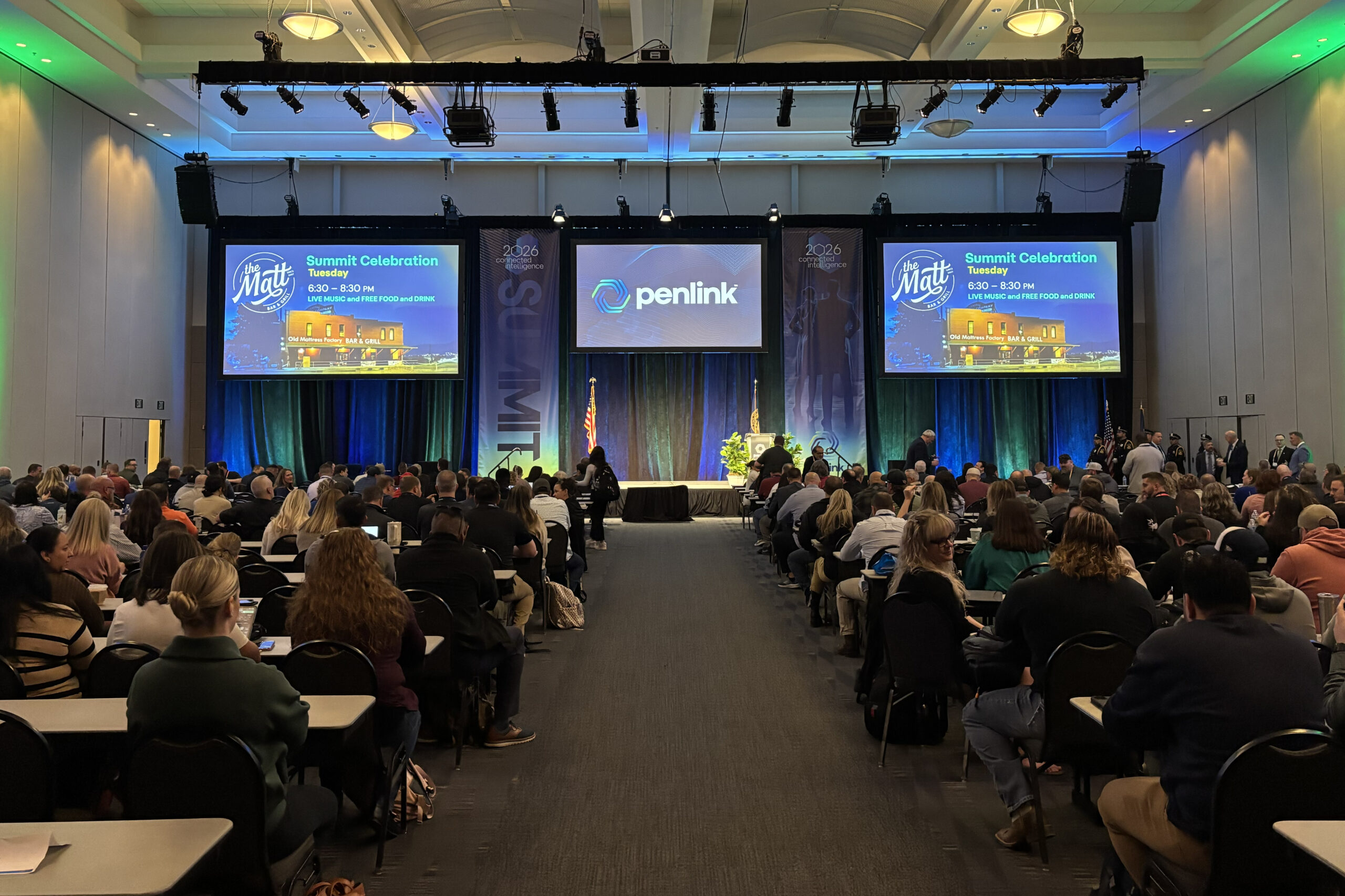
The Penlink Training Summit returns to Omaha, Nebraska, March 8–10, 2027, bringing together investigators, analysts, agency leaders and security professionals for two and a half days of training, learning and collaboration.
Europol brought together investigators, analysts and open-source intelligence specialists from 12 countries for a four-day operation targeting human trafficking networks exploiting Ukrainian nationals online.
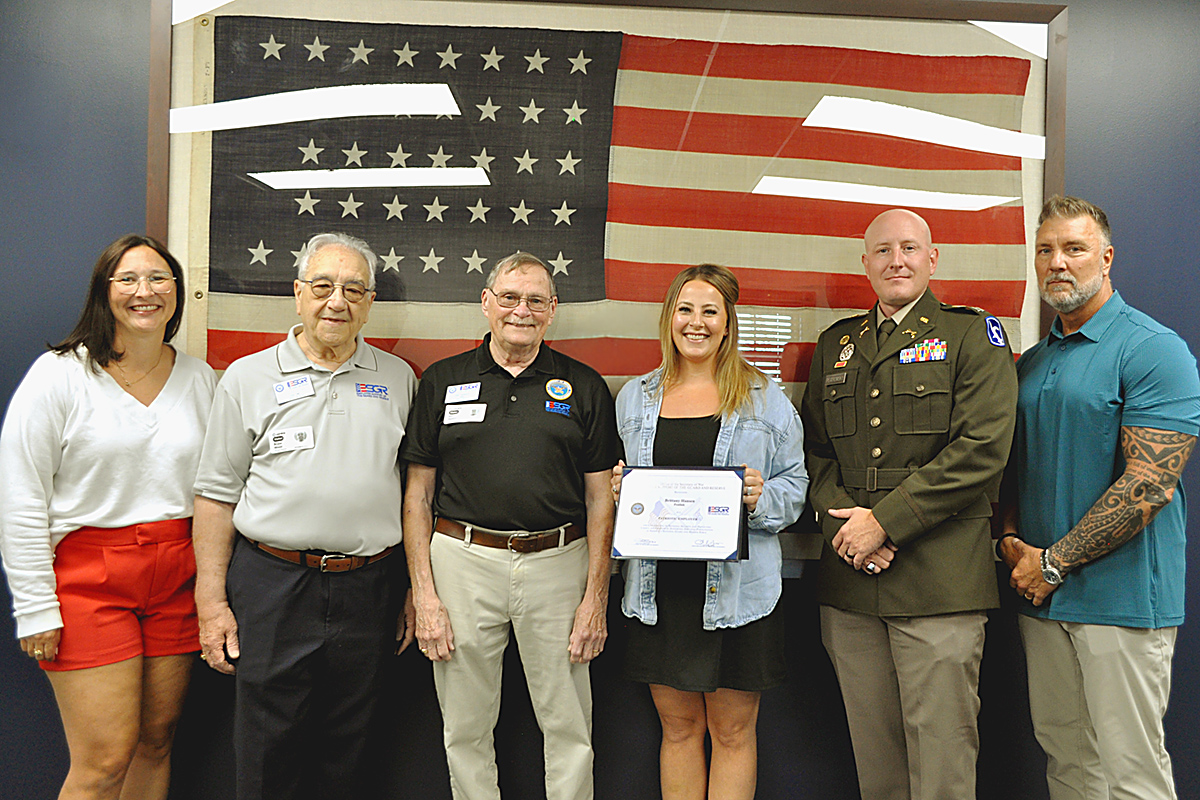
Penlink, a leading provider of digital intelligence solutions for law enforcement, national security, defense and enterprise organizations, announced today that Training Manager Brittany Hansen was presented with the Patriot Award from the Employer Support of the Guard and Reserve (ESGR), a Department of War program.
Chicago police and the U.S. Marshals Service teamed up this spring. Their goal: find missing juveniles fast. Over ten days in May, Operation Safe Return Chicago located 30 missing kids across the city.
A Lake County, Florida jury found two men guilty on drug trafficking and related charges tied to a 2022 investigation into narcotics sales across the Leesburg, Mount Dora, and Fruitland Park area.