Blog
OSINT for GSOC Teams: Seeing Threats Before They Arrive
Most threats to executives and sites take shape in public first. Here is how GSOC teams can read that trail early and act on it.
Platform Overview
See why Penlink is the global leader in AI-powered digital intelligence and investigations




Penlink Academy
Your complete destination for Penlink training, with live sessions, on-demand modules, and certifications designed to give professionals the tools and confidence to succeed in real investigations.




Access resources and news from the leading authority in digital intelligence.
Most threats to executives and sites take shape in public first. Here is how GSOC teams can read that trail early and act on it.
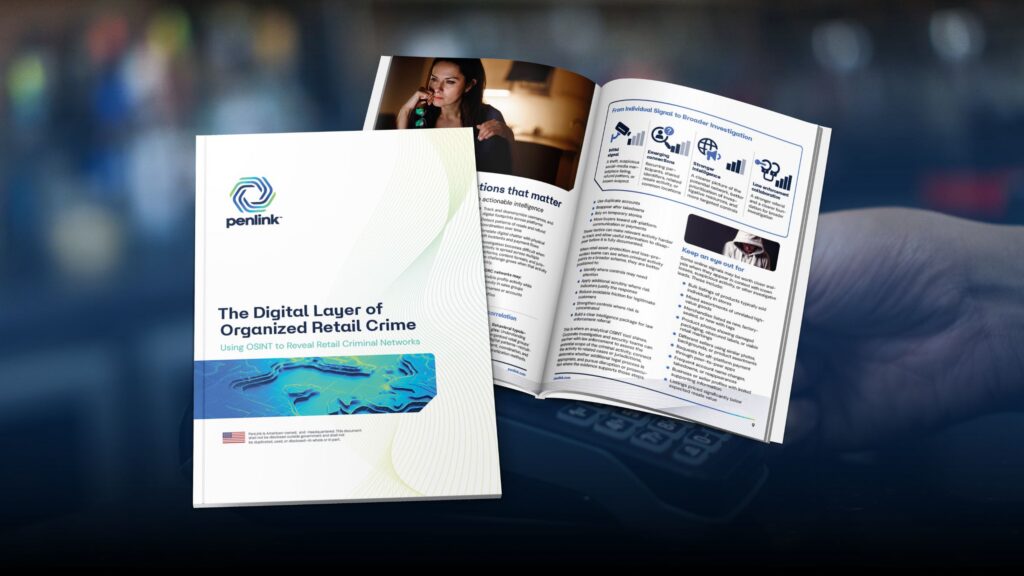
Organized retail crime networks move stolen goods and scale fraud through online marketplaces and messaging channels. This white paper shows how loss-prevention teams can connect individual incidents to the networks behind them.
A single theft can be a one-off or the visible edge of an organized network. Retail and law enforcement teams need to know which one they are facing.
Pen registers and live content intercepts operate under different legal authority. This post explains why getting the terminology right protects the collection and the case.
One fentanyl homicide case produced 1.2 terabytes of data. Volume has outgrown human review, and agencies need to decide where AI belongs and where people must stay in charge.
The evidence on a subject’s TikTok account rarely shows up on their public profile. This free webinar for law enforcement covers how investigators can secure that data, request it correctly, and turn the return into new leads.
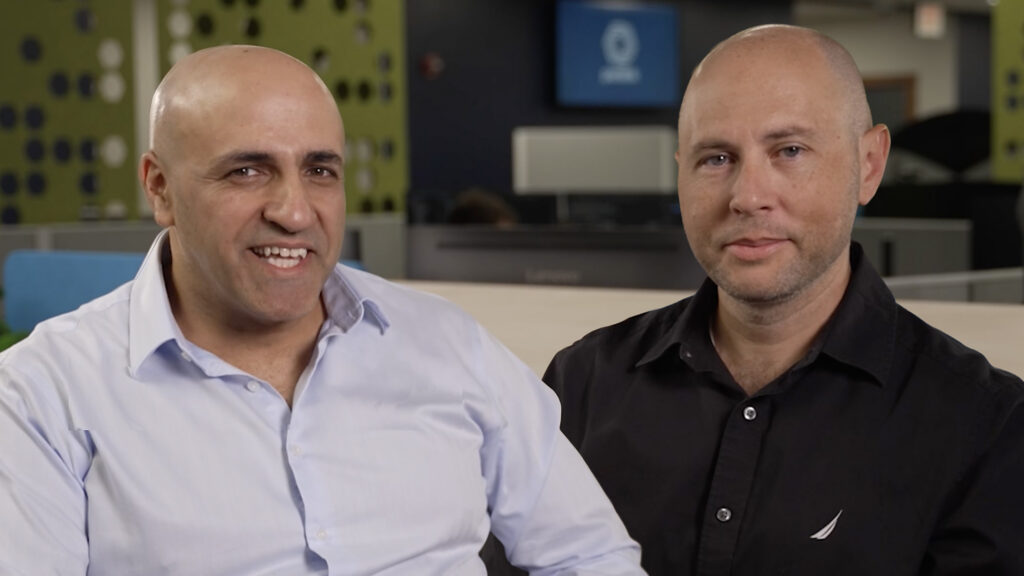
Penlink’s Udi Levy and Shay Attias discuss how AI is changing investigative work, from handling massive volumes of data to keeping humans in the loop.
Analysts no longer struggle to find information. They struggle to find the right information fast enough to matter, and that is where human-machine teaming changes the work.
Criminal intent often surfaces in the moments right after an event. Live intercepts give investigators the real-time visibility to act before that window closes.