Your complete destination for Penlink training, with live sessions, on-demand modules, and certifications designed to give professionals the tools and confidence to succeed in real investigations.
The Post-Event Intelligence Analysis Most Teams Never Finish
Date Posted: July 20th, 2026
Post-event intelligence analysis is the phase of event security that receives the least attention and arguably provides some of the most actionable value. When a large-scale event concludes without a major incident, there is a natural tendency to stand down and move on. That instinct works against the goal of continuous improvement and long-term threat awareness.
Every event generates a record. Social media content, identified accounts of interest, communication patterns, coordination gaps, and misinformation threads all leave behind data that can be analyzed after the fact. That analysis is not just a retrospective exercise. It directly informs how teams approach the next event, and in many cases, the next event is already on the horizon before the current one has been fully reviewed.
What the Post-Event Phase Actually Covers
Post-event analysis is not a single debrief meeting. It is a structured review of what happened across the full intelligence cycle, from the pre-event monitoring that was set up to the live event decisions that were made, and through to the content and accounts that were flagged during operations.
The core questions are consistent regardless of the event type. What did the pre-event monitoring surface, and was it accurate? What incidents occurred that were not anticipated? Where did coordination gaps appear, and what was the impact? What did the social media records show after the event that weren’t visible during it?
The accounts and content identified during the live phase do not stop being relevant once the event ends. An individual who posted threatening content during an event may continue that behavior. A network of accounts that amplified misinformation may be active around other events. The post-event phase is where short-term event monitoring connects to longer-term investigative work.
The Intelligence Left Behind in the Data
Large-scale events generate significant volumes of publicly available content. Much of that content is routine and carries little operational significance on its own. Within it, though, are signals that become clearer after the fact than they were in real time. Analysts reviewing post-event data with the benefit of knowing what actually happened can identify early indicators that were present but not acted on, and use that knowledge to refine future monitoring.
This is particularly true for misinformation and rumor propagation. During a live event, the volume of content is high and the timeline is compressed. Analysts are triaging in real time, which means some signals are reviewed after the moment has passed. Post-event analysis gives teams the opportunity to trace those threads fully, understand how they developed, and determine whether the monitoring strategy caught them early enough.
Social media content also provides a geographic and behavioral record. Geotagged posts from inside and around a venue document crowd movement, congestion points, access issues, and attendee behavior over time. That record is available after the event in a way it often cannot be fully processed during it. Post-event analysis often reveals vulnerabilities and areas of risk that can be directly incorporated into future event planning efforts.
Accounts of Interest Don’t Go Away
One of the most concrete outputs of post-event analysis is a clearer picture of the accounts that warranted attention during the event. Some will have been fully investigated during the live phase. Others will have been flagged but not fully reviewed because of time and volume constraints.
Post-event is when that review happens. Analysts can examine the full posting history of flagged accounts, assess whether behavior patterns extend beyond the event itself, and determine what further action is warranted. When legal or judicial processes may follow, ensuring complete documentation and confirming critical identifiers becomes a key priority during this phase.
Understanding which accounts drove the most reach, whether through direct threats, misinformation, or coordinated activity, helps build a more complete picture of the threat environment heading into future events. Those accounts may appear again. Teams that have already documented them are in a much better position to respond quickly.
Coordination Gaps Are Easier to See in Hindsight
Multi-agency event security involves law enforcement, private security, event organizers, and often federal partners operating with different tools, different communication protocols, and different visibility into the same environment. During the live event, those gaps can be difficult to identify in real time because each team is focused on its own operational picture.
Post-event analysis provides the opportunity to map where those gaps occurred. Where did information exist in one channel but not reach another? Where did response times lag because of a communication breakdown? Where did different teams identify the same issue independently without awareness that others had already flagged it?
Those gaps are not unique to any single agency or event type. They are a structural feature of complex, multi-stakeholder operations. Identifying them specifically, with reference to what actually happened, is the only way to address them before the next event. General observations about coordination do not produce the same operational changes that a specific, documented example does.
Building Forward, Not Just Looking Back
The most important output of post-event intelligence analysis is a set of concrete adjustments to how the next event is approached. That means updated keyword lists and monitoring categories based on what actually appeared in the data. It means refined coordination protocols based on where gaps were identified. It also means a clearer picture of the accounts and networks that were active during the event and may be relevant to future operations.
This forward-looking orientation is what separates post-event analysis from a standard after-action review. The goal is not just to document what happened. It is to use what happened as input for the next planning cycle. Timing matters. Post-event analysis that happens weeks after the event, once teams have moved on to other priorities, captures less than analysis that begins in the immediate aftermath while the context is still clear.
For teams planning events on a recurring calendar, this is especially important. The intelligence gathered during one event is directly relevant to the next. The question is whether that intelligence is being captured, reviewed, and applied, or whether it is being left behind.
The event is over. The intelligence it generated is still working, if someone is using it.
See how PLX Connect helps teams turn post-event data into actionable intelligence for the next event. Request a demo.
A Placer County prosecutor and crime analyst walk through a fentanyl murder case and show how 1.2 terabytes of warrant returns became the exhibits that sent a dealer to prison for life.
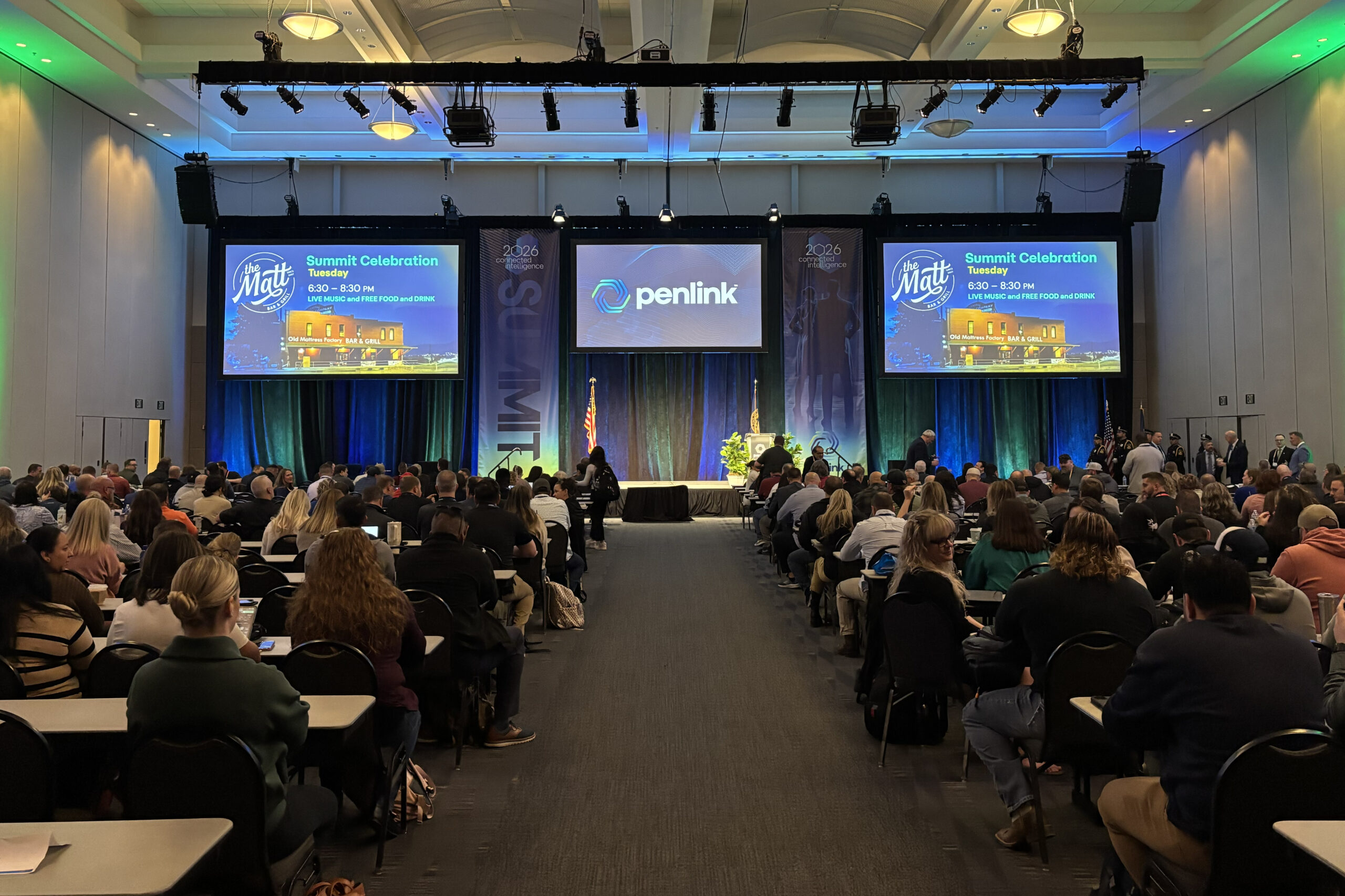
The Penlink Training Summit returns to Omaha, Nebraska, March 8–10, 2027, bringing together investigators, analysts, agency leaders and security professionals for two and a half days of training, learning and collaboration.
Europol brought together investigators, analysts and open-source intelligence specialists from 12 countries for a four-day operation targeting human trafficking networks exploiting Ukrainian nationals online.
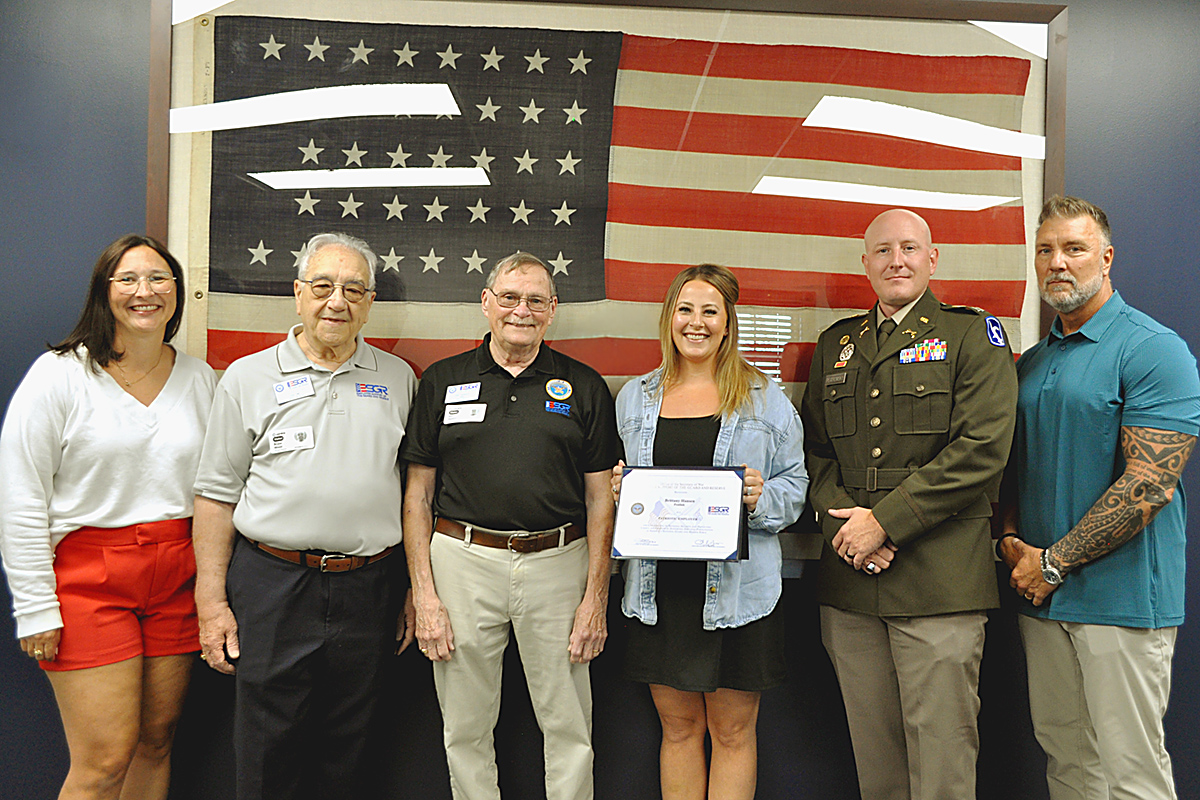
Penlink, a leading provider of digital intelligence solutions for law enforcement, national security, defense and enterprise organizations, announced today that Training Manager Brittany Hansen was presented with the Patriot Award from the Employer Support of the Guard and Reserve (ESGR), a Department of War program.
Chicago police and the U.S. Marshals Service teamed up this spring. Their goal: find missing juveniles fast. Over ten days in May, Operation Safe Return Chicago located 30 missing kids across the city.
A Lake County, Florida jury found two men guilty on drug trafficking and related charges tied to a 2022 investigation into narcotics sales across the Leesburg, Mount Dora, and Fruitland Park area.