Webinar
Illegal Immigration and Poly Criminality Investigating an Albanian Organised Crime Group
Penlink analysts walk through a real investigation into a suspected Albanian organised crime group, using open-source data in Tangles and CoAnalyst360 and evidence-based analysis in PLX to surface poly-criminal connections.

Webinar
Profit Over Life: Transforming Digital Data into Case-Making Exhibits
A Placer County prosecutor and crime analyst walk through a fentanyl murder case and show how 1.2 terabytes of warrant returns became the exhibits that sent a dealer to prison for life.
Press Release
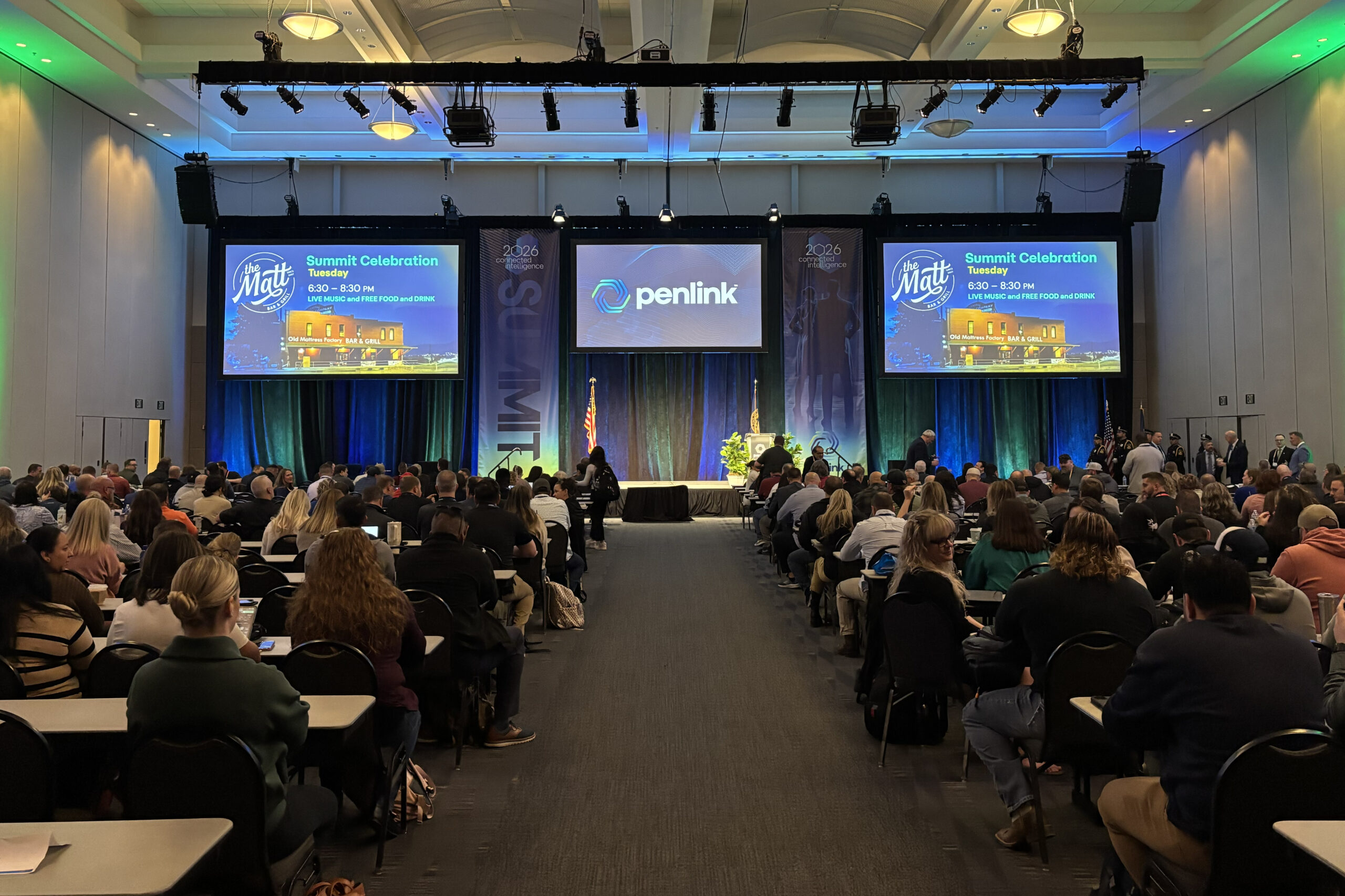
2027 Penlink Training Summit Returns to Omaha March 8–10
The Penlink Training Summit returns to Omaha, Nebraska, March 8–10, 2027, bringing together investigators, analysts, agency leaders and security professionals for two and a half days of training, learning and collaboration.

Press Release
Penlink Recognized for Commitment to Military and Law Enforcement Communities with Patriot Award
Penlink, a leading provider of digital intelligence solutions for law enforcement, national security, defense and enterprise organizations, announced today that Training Manager Brittany Hansen was presented with the Patriot Award from the Employer Support of the Guard and Reserve (ESGR), a Department of War program.

Webinar
Investigating Outlaw Motorcycle Gangs with Tangles
Outlaw motorcycle gangs operate through networks that cross state lines and jurisdictions. This post looks at what it takes to investigate them effectively.

Webinar
Tracing State-Linked Influence and Cyber Activity
Foreign influence campaigns increasingly pair disinformation with cyber intrusion. This post looks at what that convergence means for investigators tracking coordinated state-linked activity.

Video
Derek Maltz on Digital Evidence in Drug Cases and the Fentanyl Crisis
Former Acting DEA Administrator Derek Maltz joins Fox News to discuss why digital evidence in drug cases is the strongest tool prosecutors have, and why investigators need better tools to process it fast.

Blog
CoAnalyst360 and the Shift From Generative to Agentic AI
Generative AI answers a question. Agentic AI keeps working the case. Here is what that distinction means for investigators using CoAnalyst360.