Your complete destination for Penlink training, with live sessions, on-demand modules, and certifications designed to give professionals the tools and confidence to succeed in real investigations.
Human Trafficking Follows Major Events. The World Cup Is No Different.
Date Posted: March 19th, 2026
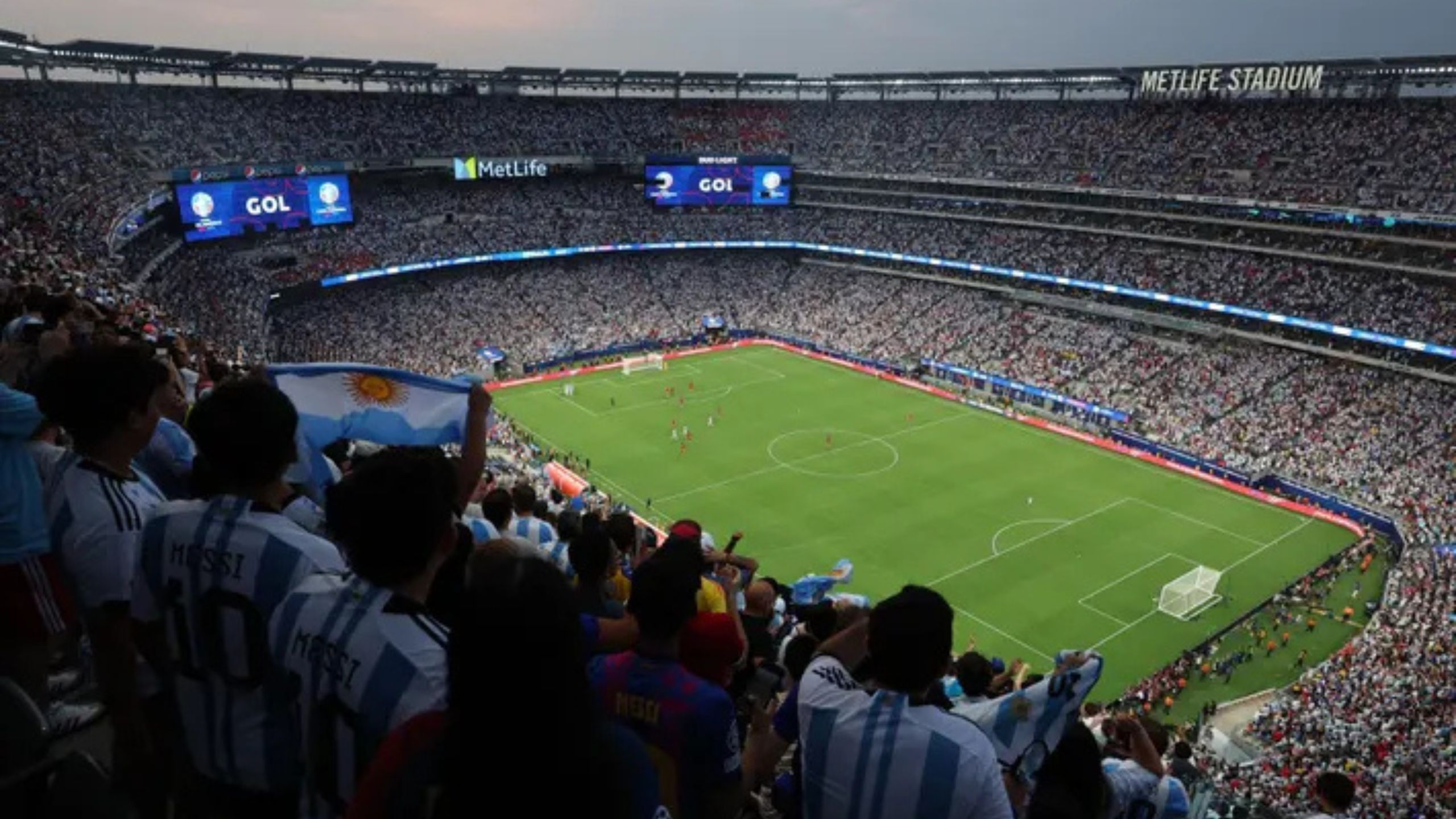
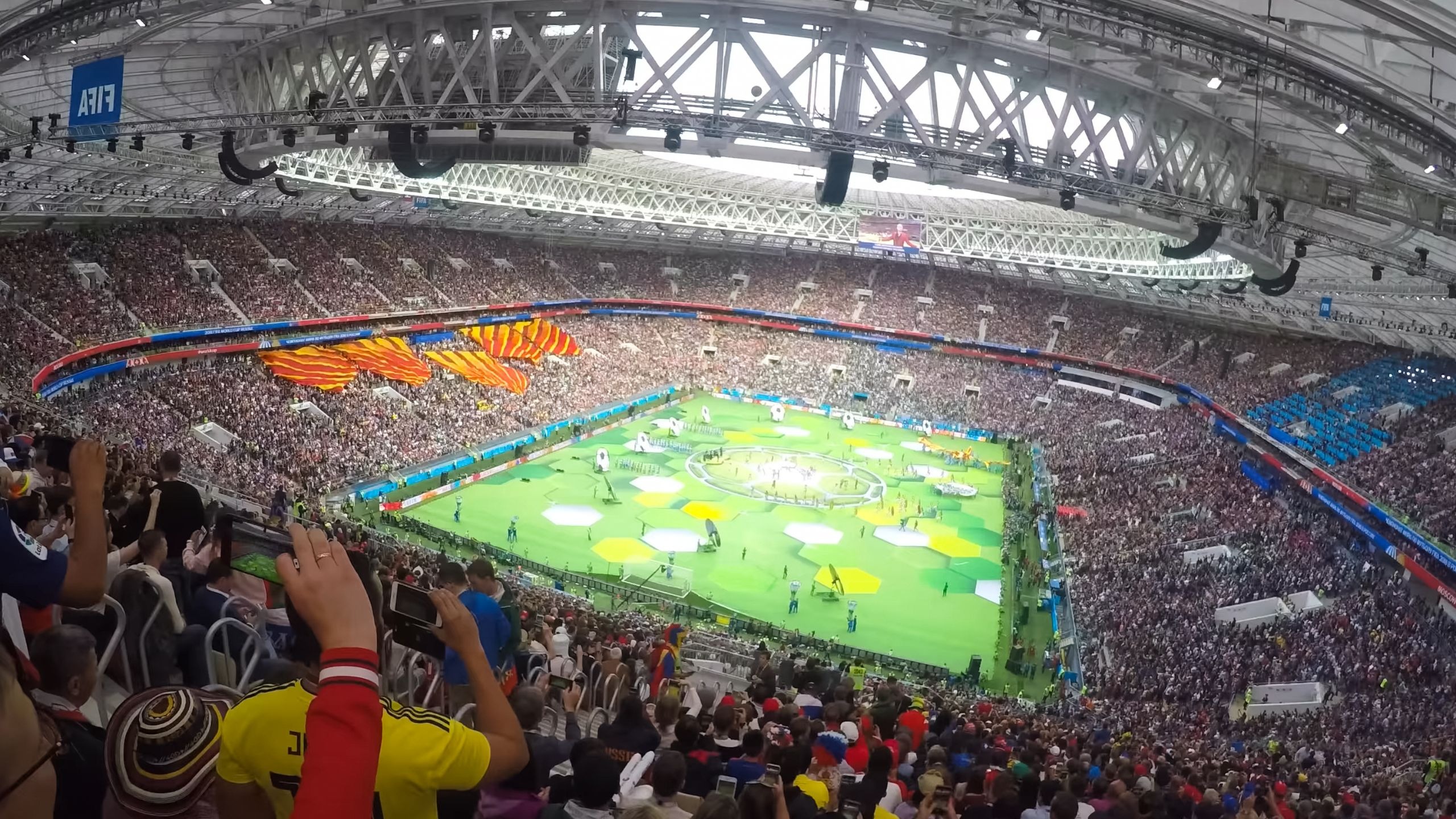
Human trafficking at the FIFA World Cup is not a hypothetical risk. It is a documented pattern. Each time a major sporting event draws hundreds of thousands of visitors to a city, traffickers follow. They exploit the crowds, the anonymity, the demand, and the surge that accompanies large-scale events. For law enforcement agencies preparing for the 2026 FIFA World Cup, understanding this pattern before the first match kicks off matters more than responding to it after.
Human trafficking is a year-round problem. It happens in every host city today, long before the opening match and long after the closing ceremony. What major events do is concentrate demand, accelerate movement, and stretch law enforcement resources thin. The World Cup will span 11 U.S. cities across 39 days. This is not a single, centralized security challenge. It is a moving one.
The same factors that make major sporting events exciting for fans also create opportunities for traffickers. High visitor volume, transient populations, cash-heavy informal economies, and overwhelmed local services create an environment where exploitation can go undetected. Critically, most trafficking around major events is domestic in origin. Investigators consistently find that victims are moved from within the U.S., recruited and controlled by networks already operating in the region, not transported across international borders.
The 2021 Super Bowl in Tampa resulted in dozens of trafficking-related arrests. The signals had been building in the weeks leading up to the event, visible across digital networks and online platforms to investigators who knew where to look. Research from Carnegie Mellon University analyzing more than 32 million online ads around major U.S. events found a significant spike in first-appearance escort advertisements around the Super Bowl, a pattern investigators treat as one of the clearest early signals that trafficking activity is mobilizing. The FIFA World Cup, at significantly greater scale and duration, is expected to produce the same signal across multiple host cities simultaneously.
For events with an international dimension like the World Cup, cross-border trafficking does occur and warrants attention. However, it represents a smaller share of overall activity than domestic networks. Investigators need frameworks that account for both, without allowing the international dimension to overshadow the homegrown threat that is already present in every host city.
The Digital Footprint Behind Trafficking Networks at Sporting Events
Modern trafficking operations run on digital infrastructure. Recruitment, advertising, communication, and coordination all leave traces across online platforms, often in plain sight. The challenge for investigators is not that the activity is hidden. It is that it is buried in volume, spread across platforms, and encoded in language that requires context to interpret.
Traffickers use a combination of mainstream social platforms, classified ad sites, and encrypted messaging applications. They rely on coded language, emojis, and pseudonyms to obscure meaning from automated detection. Additionally, they frequently shift between accounts and platforms to avoid pattern recognition. This behavior creates a fragmented digital trail that is difficult to follow manually at scale.
For investigators working open-source intelligence on these cases, the ability to connect accounts across platforms, identify pseudonyms tied to real identities, and track network relationships is foundational. A single name or username, when analyzed across open digital channels, can surface a network of accounts, locations, and associates that would take weeks to build manually.
Victim Identification Is the Harder Problem
Identifying suspects in trafficking cases is difficult. Identifying victims is even more challenging. Victims often operate under pseudonyms, have fragmented or deliberately obscured online identities, and may not present themselves in ways that trigger standard alert criteria. Investigators who rely solely on suspect-centric analysis risk missing the broader network and leaving victims unidentified.
Much of what investigators know about how trafficking networks operate, how victims are recruited, how control is maintained, and how digital platforms are used, comes directly from survivors. Survivor testimony has shaped the investigative frameworks and platform monitoring approaches that agencies use today. That knowledge base is irreplaceable, and it informs how digital intelligence work is designed and prioritized.
Digital intelligence analysis that cross-references photos, usernames, locations, and behavioral patterns across platforms gives investigators a more complete picture. When a pseudonymous account connects to a real identity through overlapping photos, location data, or associated contacts, investigators gain both an evidential thread and a potential pathway to locating a victim.
Pre-event intelligence work, therefore, is not only about identifying known threat actors. It is about building enough of a digital picture that emerging patterns during the event are recognizable against a baseline. Investigators who have mapped the relevant online channels before the tournament begins are in a fundamentally stronger position than those starting from scratch mid-event.
FIFA World Cup Human Trafficking Risk Demands a Proactive Intelligence Posture
Reactive enforcement at major events will always be limited by scale. The density of people, the pace of movement, and the compressed timeline make it difficult to investigate and act simultaneously. Agencies that build their intelligence picture in the weeks and months before an event arrive at game day with leads already in hand.
That means monitoring digital channels for trafficking-related activity in host cities, identifying networks that have been active around previous major events, and establishing baseline profiles of known actors before the crowds arrive. It also means having the analytical capacity to process high volumes of data quickly when activity spikes during the event itself.
The data analytics capabilities needed to do this work at scale are not optional at an event like the World Cup. They are the difference between finding victims and missing them entirely. And because trafficking does not stop when the tournament ends, the intelligence built before and during the event has investigative value that extends well beyond the final match.
The World Cup is coming. The traffickers are already planning. Investigators who prepare now will be the ones who find them.
See how Penlink supports human trafficking investigations at scale with a Request a demo.
Major sporting events don’t create human trafficking. They concentrate it. Each time a major event comes to town, traffickers follow. Here is what investigators need to know before the World Cup arrives.
Fentanyl task force coordination requires the right data and tools. Join intelligence analyst Ryan Croghan to learn how PLX supports multi-agency investigations.
La seguridad de grandes eventos requiere inteligencia proactiva. Descubre cómo Tangles, la solución OSINT de Penlink, ayuda a detectar amenazas antes, durante y después del evento.
Effective major event security starts months before game day and continues long after the final whistle. Here is how agencies structure the work across all three phases.
Thomson Reuters and the ACAMS New York Chapter convened public and private sector professionals to address human trafficking risks and financial crime reporting obligations ahead of the FIFA World Cup 2026.
A integridade eleitoral exige inteligência proativa. Descubra como Tangles, a solução OSINT da Penlink, ajuda a detectar desinformação, interferência estrangeira e ameaças coordenadas antes das eleições.