
Using Penlink to Coordinate Multi-Task Force Efforts to Combat Fentanyl Trafficking
Fentanyl task force coordination requires the right data and tools. Join intelligence analyst Ryan Croghan to learn how PLX supports multi-agency investigations.
Platform Overview
See why Penlink is the global leader in AI-powered digital intelligence and investigations





Penlink Academy
Your complete destination for Penlink training, with live sessions, on-demand modules, and certifications designed to give professionals the tools and confidence to succeed in real investigations.





Open-Source Intelligence (OSINT) is an essential component of modern investigations, providing law enforcement, intelligence agencies, and corporate security teams with valuable insights from publicly available information. From social media posts and online forums to financial records and geolocation data, OSINT helps investigators uncover hidden connections, verify identities, and track illicit activities.
However, effectively integrating OSINT into an investigation requires a structured approach to ensure accuracy, legal compliance, and operational efficiency. Here are the best practices for leveraging OSINT in your investigative workflows.
Before collecting OSINT, it’s crucial to outline the goals of your investigation:
Having a clear objective helps narrow your search parameters and prevents information overload.
Manually searching for information across multiple platforms is time-consuming. AI-powered OSINT tools, like Penlink’s OSINT capabilities, automate data collection and analysis, allowing investigators to:
Automation ensures efficiency while reducing the risk of missing critical intelligence.
Since OSINT is gathered from public sources, it’s essential to verify its accuracy. False information, outdated data, and misinformation can easily mislead an investigation. Best practices include:
While OSINT is publicly available, investigators must follow legal and ethical guidelines to avoid compromising the integrity of their investigations. Key considerations include:
Consult with legal teams to ensure compliance before acting on OSINT-derived intelligence.
OSINT is not just reactive, it’s a powerful tool for predictive analysis. By focusing on social media, online forums, and financial records, investigators can:
Using AI-powered OSINT analytics helps law enforcement shift from reactive investigations to proactive crime prevention.
To maintain credibility, OSINT findings must be properly documented and stored. Best practices include:
AI-driven platforms like Penlink’s PLX and CoAnalyst assist in organizing OSINT findings and integrating them into a larger investigative framework.
OSINT is most effective when combined with other forms of intelligence, including:
The integration of OSINT with other investigative methods provides a holistic view of criminal activity, making case resolution more efficient.
When used correctly, OSINT is a game-changer in investigations, allowing law enforcement and intelligence professionals to gather insights faster, track digital footprints, and predict threats more accurately.
By following these best practices, defining clear objectives, leveraging automation, verifying information, ensuring legal compliance, predicting threats, securely documenting findings, and integrating OSINT with other intelligence sources, investigators can maximize OSINT’s potential while ensuring accuracy and reliability.
Discover how AI-powered tools like Penlink’s OSINT tools, PLX, and CoAnalyst streamline OSINT collection, analysis, and reporting.
Contact us for a demo and learn how to revolutionize your investigative process with cutting-edge OSINT technology.
Fentanyl task force coordination requires the right data and tools. Join intelligence analyst Ryan Croghan to learn how PLX supports multi-agency investigations.

Effective major event security starts months before game day and continues long after the final whistle. Here is how agencies structure the work across all three phases.

Thomson Reuters and the ACAMS New York Chapter convened public and private sector professionals to address human trafficking risks and financial crime reporting obligations ahead of the FIFA World Cup 2026.
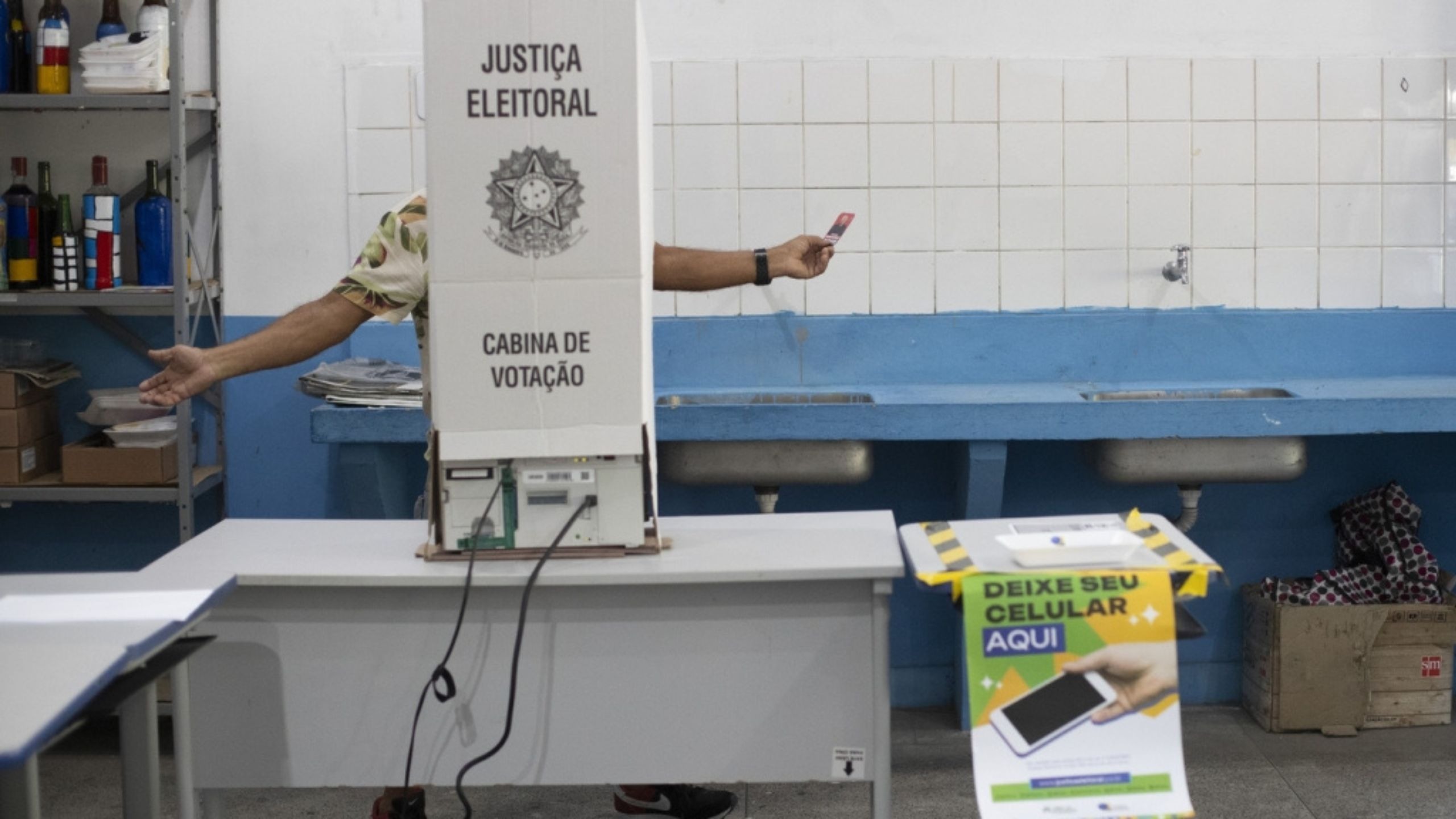
A integridade eleitoral exige inteligência proativa. Descubra como Tangles, a solução OSINT da Penlink, ajuda a detectar desinformação, interferência estrangeira e ameaças coordenadas antes das eleições.

La seguridad de grandes eventos requiere inteligencia proactiva. Descubre cómo Tangles, la solución OSINT de Penlink, ayuda a detectar amenazas antes, durante y después del evento.

Major sporting events don’t create human trafficking. They concentrate it. Each time a major event comes to town, traffickers follow. Here is what investigators need to know before the World Cup arrives.