Using Penlink to Coordinate Multi-Task Force Efforts to Combat Fentanyl Trafficking
Fentanyl task force coordination requires the right data and tools. Join intelligence analyst Ryan Croghan to learn how PLX supports multi-agency investigations.
Platform Overview
See why Penlink is the global leader in AI-powered digital intelligence and investigations





Penlink Academy
Your complete destination for Penlink training, with live sessions, on-demand modules, and certifications designed to give professionals the tools and confidence to succeed in real investigations.




Security for a multi-jurisdiction event is not a single operational challenge. It is a sequence of three distinct phases, each with its own intelligence requirements, decision points, and risks. For agencies preparing for the 2026 FIFA World Cup, understanding that structure is the foundation of effective planning. A reactive posture on game day is the result of gaps in the phases that came before it.
The World Cup spans 11 U.S. cities, 78 matches, and 39 days. That scale compresses every planning cycle and amplifies every coordination gap. Agencies that treat it as a single event rather than a phased operation will find themselves managing incidents rather than preventing them. The intelligence framework that supports major event security needs to be in place long before the opening match.
The pre-event phase is where the strength of an agency’s security posture is established. Intelligence gathering, risk assessment, and scenario planning in the weeks and months before a major event provide agencies with the baseline they need to recognize anomalies when the event is underway. Without that baseline, analysts are working blind under pressure.
For an event like the World Cup, pre-event intelligence work covers a broad range of threat categories. Physical security risks, including unauthorized access, crowd management vulnerabilities, and potential terrorism scenarios, all require advanced mapping. Cybersecurity threats, including infrastructure attacks and disinformation campaigns, need early identification. Human factor risks such as insider threats and escalating behaviors require profiling before game day, not during it.
Additionally, geolocation and network analysis conducted in advance allow agencies to map relationships between potential threat actors, identify weaknesses in the security perimeter, allocate resources, and prepare their response strategies. Sentiment and trend analysis across digital channels can surface emerging narratives that may indicate planned disruption. The open-source intelligence gathered during this phase directly shapes the scenarios that command staff plan and prepare for.
The operational phase is where pre-event intelligence is tested in real time. Agencies face a challenge that is less about a lack of information and more about an excess of it. Data volume spikes sharply during a live event. Social media activity, geolocation signals, monitoring alerts, and incident reports all compete for analyst attention simultaneously. The agencies that manage this phase well are those that built triage and prioritization into their systems before the event began.
Situational awareness during the operational phase depends on three capabilities working together: real-time monitoring of digital channels to detect emerging threats, profile and entity tracking for persons of interest identified in pre-event work, and geospatial intelligence that maps activity to physical locations. When these capabilities are integrated into a single platform, analysts can move from signal to decision without the delay of switching between systems.
Incident response during a live event also requires case management that supports collaboration across agencies. For the World Cup, where state and local agencies, federal partners, and international liaisons are all operating simultaneously, the ability to share intelligence and coordinate responses smoothly is essential. The data and analytics infrastructure that supports this coordination needs to be tested and operational well before game day.
Post-event work is where the value of the intelligence gathered during the first two phases is fully realized. Analysis after a major event connects what worked, what did not, and what threat activity persists beyond the closing ceremony. For an event as large as the World Cup, some threats do not resolve when the tournament ends. Trafficking networks, organized criminal groups, and cyber actors that mobilized around the event may remain active in host cities afterward.
Threat continuity monitoring in the post-event phase allows agencies to track residual activity and close investigations that opened during the event. Reporting based on analysis results gives command staff a documented record of planning and response that informs future events. Furthermore, the intelligence picture built during the World Cup has lasting value well beyond the tournament itself.
Agencies that treat the post-event phase as an administrative debrief rather than an active intelligence period miss the tail end of the threat cycle. For law enforcement teams committed to continuous improvement, the data collected across all three phases becomes the foundation for stronger performance at the next major event.
The agencies that perform best at major events are the ones that never treated them as a single operational moment.
To see how Penlink supports agencies across all three phases of multi-jurisdiction event security, request a demo.
Fentanyl task force coordination requires the right data and tools. Join intelligence analyst Ryan Croghan to learn how PLX supports multi-agency investigations.
Effective major event security starts months before game day and continues long after the final whistle. Here is how agencies structure the work across all three phases.

Thomson Reuters and the ACAMS New York Chapter convened public and private sector professionals to address human trafficking risks and financial crime reporting obligations ahead of the FIFA World Cup 2026.
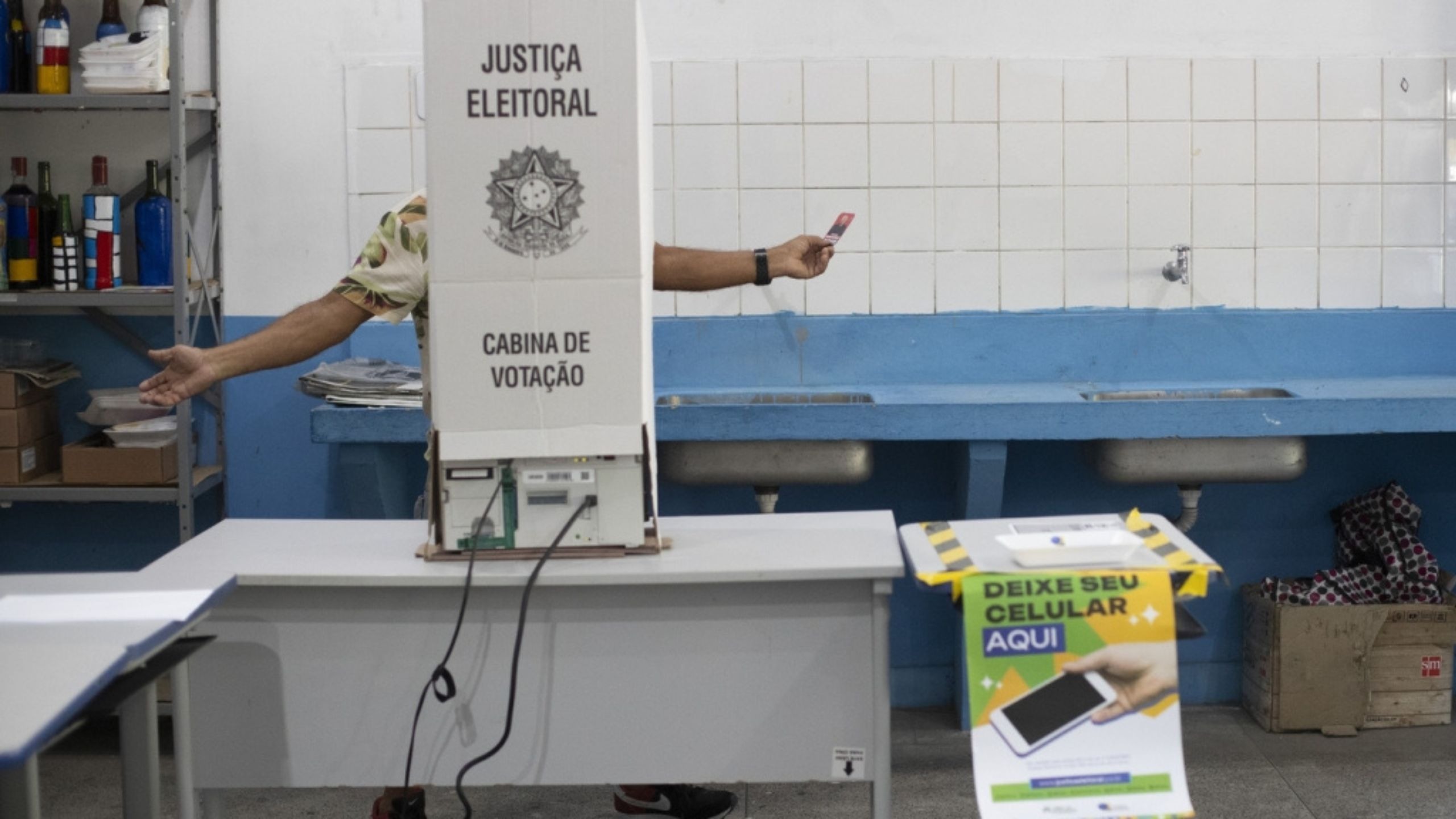
A integridade eleitoral exige inteligência proativa. Descubra como Tangles, a solução OSINT da Penlink, ajuda a detectar desinformação, interferência estrangeira e ameaças coordenadas antes das eleições.
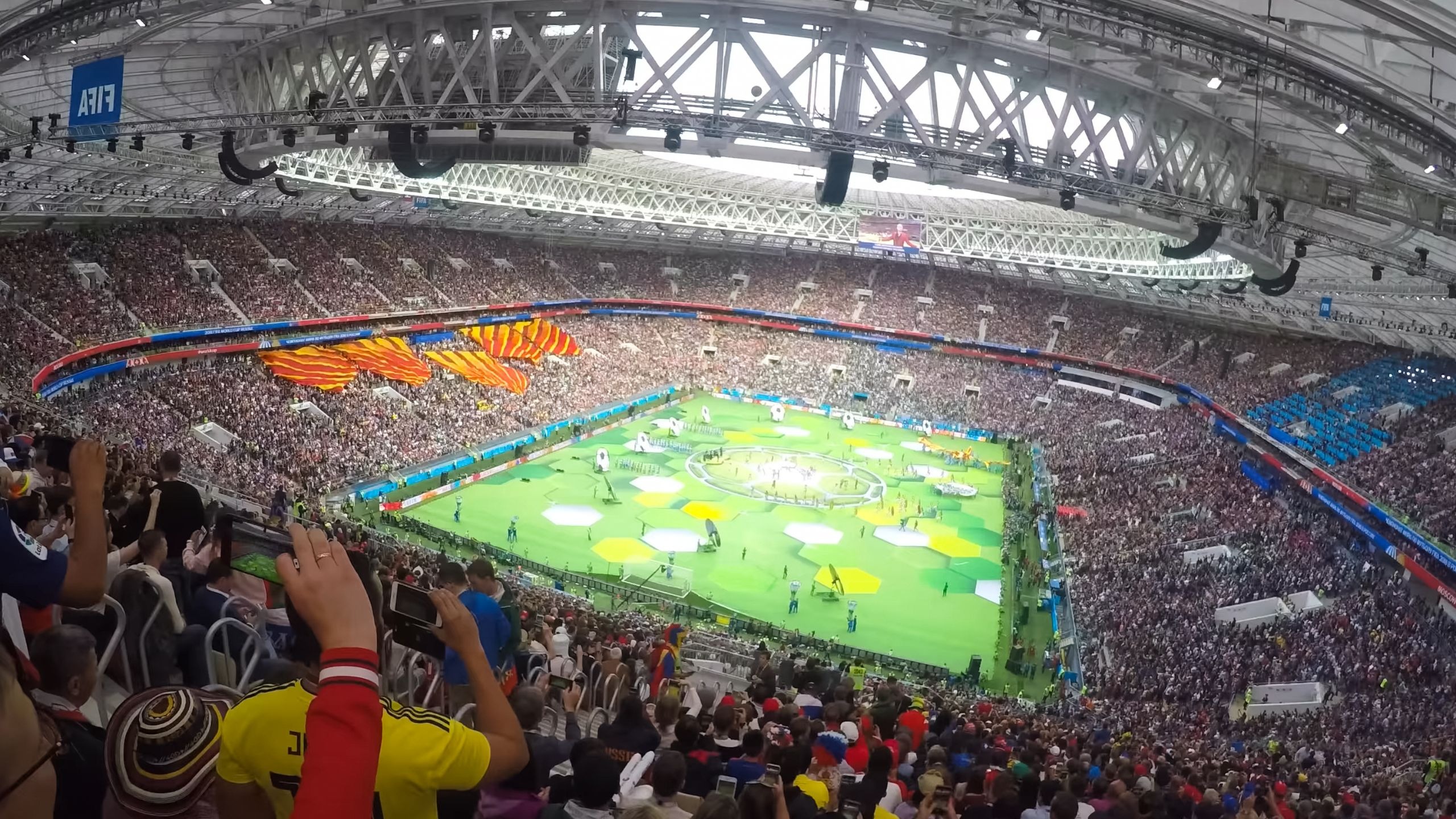
La seguridad de grandes eventos requiere inteligencia proactiva. Descubre cómo Tangles, la solución OSINT de Penlink, ayuda a detectar amenazas antes, durante y después del evento.
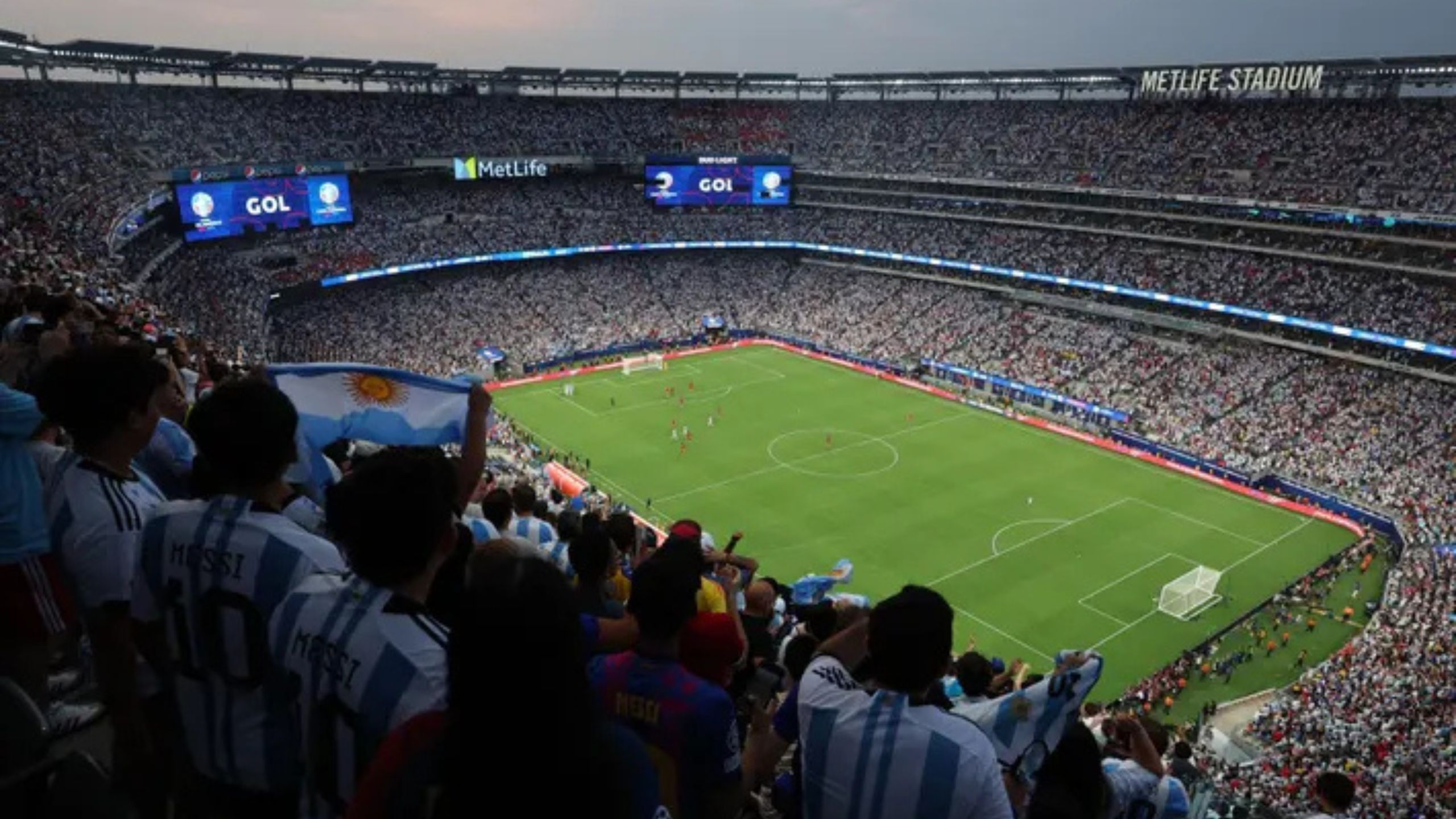
Major sporting events don’t create human trafficking. They concentrate it. Each time a major event comes to town, traffickers follow. Here is what investigators need to know before the World Cup arrives.