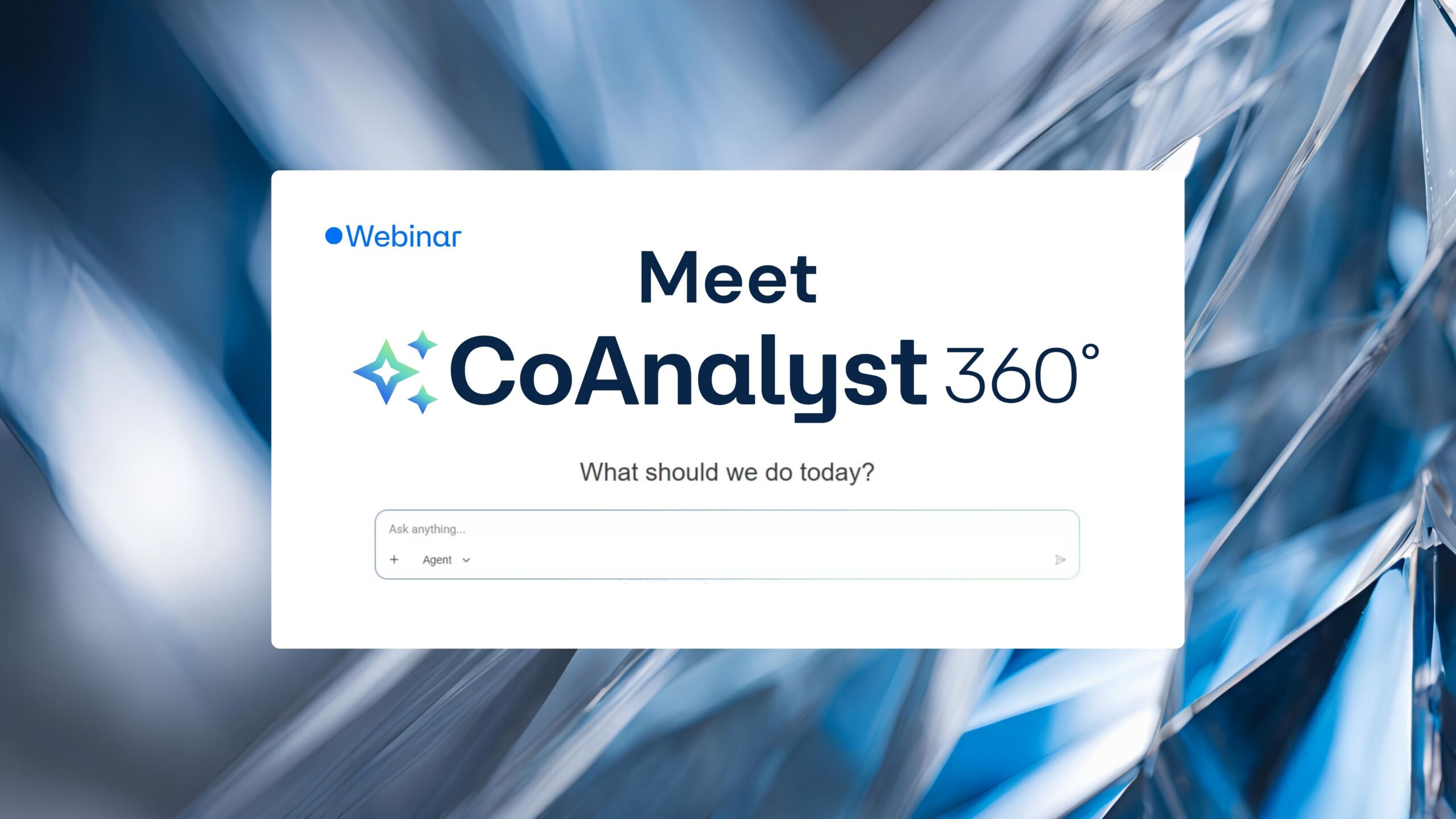
Discover CoAnalyst 360: A Three-Part Series
A three-part on-demand series showing how CoAnalyst 360 brings generative AI into investigative workflows, from the fundamentals to advanced use across the Penlink suite.
Platform Overview
See why Penlink is the global leader in AI-powered digital intelligence and investigations





Penlink Academy
Your complete destination for Penlink training, with live sessions, on-demand modules, and certifications designed to give professionals the tools and confidence to succeed in real investigations.




A technical investigator in the Electronic Evidence Unit of a U.S. County Sheriff’s office shares insights about the value of collecting live social media data. In this Q&A, you’ll learn which types of cases are most likely to benefit from live data, hear advice on staying current with trends, and more.
Q: What makes adding live social media and other internet-based communication intercepts to telephonic data so useful?
A: Social media, chatroom, and other internet-based communications data can help establish probable cause, identify co-conspirators, and show a pattern of life that’s really important. Internet-based communications data can also help you identify additional locations that may need more investigation. For one case where a suspect was using burner phones, the confidential informants were able to identify the social media channels that the suspect was using. The pen register for the social media account helped the investigators find a phone number and narrow down a location, which led to a subsequent arrest based on an active arrest warrant. Live data saves time, and it’s actionable—we’re able to move on it and let it work for our investigation. Otherwise, you have to sit and wait for results.
Q: What types of investigations can social media intercept data help with?
A: We’ve deployed live intercepts in many different types of cases, including fugitive tracking, homicides, child abduction/kidnapping, narcotics distribution, burglary/theft, sexual assault, human trafficking, and runaways/missing persons.
Q: What do you look for to determine which cases are most likely to be worth spending time looking for live data sources?
A: Generally, we look for a suspect who’s not in custody, in an ongoing investigation where we believe that additional evidence such as travel, co-conspirators, etc. will bolster the case and help develop additional evidence for further affidavits to increase surveillance. Sometimes, even if a suspect is in custody, you could also see co-conspirators communicating with or using the suspect’s account.
Q: How do you stay current with where live data is available?
A: Communication takes place through many apps such as Facebook Messenger, Instagram, Snapchat, WhatsApp, and Twitter, as well as through text, phone calls, Google Voice, Skype, and IMVU. To keep current with the trends, you need to know what’s being used in your community. It’s important to think outside the box and get creative. Where is there a chatroom that could be used by predators? Sharing knowledge with investigators in other parts of the country is also important for helping each other.
Q: Do you have to be a computer-science expert to be able to gather and use live data?
A: No, but having a tool to help you sort through and gather pertinent information is important. The PenLink PLX platform helps get results sorted so that we can easily analyze the data from multiple platforms in one view to see what is actually there and uncover trends and movements that may have otherwise gone unnoticed.
To learn more about how PenLink supports law enforcement agencies with resources to help them stay up to date with communications data, consider signing up for a trial and see the benefits first-hand. Contact us at [email protected].
A three-part on-demand series showing how CoAnalyst 360 brings generative AI into investigative workflows, from the fundamentals to advanced use across the Penlink suite.

As Cybersecurity Awareness Month approaches, five infrastructure protection practices worth revisiting, from access control to encryption layers to real-time anomaly detection.

A practical session on live intercepts and pen registers, covering the legal and technical differences, the collection process end to end, and what to expect if called to testify.

A firsthand look at how Tangles turns open-source intelligence into actionable insight across executive protection, fraud investigation, and due diligence.
Penlink and Chainalysis have partnered to bring blockchain intelligence directly into Penlink’s digital intelligence platform, giving investigators a single workflow that connects on-chain activity to identities, communications, and locations.

Digital threats against executives and VIPs don’t always stay online. This white paper shows how OSINT helps security teams protect leaders from rising risk.