
Penlink Reflects on a Year of Community Partnership and Charitable Giving Across the Americas
A look at Penlink’s charitable giving and volunteer efforts across the Americas, including Santa Cop and this year’s multi-location Volunteer Day.
Platform Overview
See why Penlink is the global leader in AI-powered digital intelligence and investigations





Penlink Academy
Your complete destination for Penlink training, with live sessions, on-demand modules, and certifications designed to give professionals the tools and confidence to succeed in real investigations.




What investigators and analysts can expect in the year ahead
Digital evidence now plays a role in nearly every investigation. Teams are working with more data, more providers, and faster expectations than ever before. As the digital landscape continues to evolve, many agencies are looking for modern digital intelligence platform workflows that help them keep pace. After speaking with investigators, analysts, and technical teams across agencies this year, several trends have become clear. These themes reflect what professionals are seeing in their day to day work and what they expect to shape 2026.
AI is already helping teams sort messages, highlight patterns, and reduce time spent reviewing large datasets. The focus for 2026 is on AI systems investigators can trust.
Teams want clear reasoning for why an alert or pattern was surfaced, and they want to understand how it fits into the larger case. AI must operate reliably even when data is incomplete or imperfect, and it must support defensible workflows.
Teams are expecting:
Most investigations now involve several different types of digital evidence. Phone records, cloud data exports, social media platforms, device downloads, financial activity, and more. When these sources are reviewed separately, it becomes easier to lose context and harder to see how events connect. For many teams, this has increased the need for stronger digital evidence workflows that allow analysts to compare and validate information across sources.
In 2026, more teams will move toward environments where communications, locations, and timelines can be viewed together, giving investigators a clearer picture of how events unfolded.
Teams are expecting:
Evidence often passes through multiple countries and legal frameworks before investigators receive it. Different retention rules, response formats, and provider requirements add delays and complexity. Managing multi jurisdictional evidence is no longer an exception. It is becoming routine.
In 2026, agencies will prioritize documentation, legal coordination, and consistent workflows to keep cases defensible.
Teams are expecting:
Movement tells a story and helps clarify what happened. Where someone went, how long they stayed, and who they contacted can shape the direction of a case. Fraud, narcotics, cyber related crimes, insider risk, and missing persons investigations all rely heavily on location and time based analysis. Analysts increasingly use open source intelligence tools to support early case development and identify patterns that might otherwise be overlooked.
In 2026, teams will expect tools that allow them to test routes, compare timelines, and validate assumptions quickly.
Teams are expecting:
Crimes overlap more frequently than in the past. Financial fraud intersects with cyber activity. Trafficking intersects with communication patterns and financial movement. Insider risk intersects with digital behavior and access data.
Because of this, agencies are forming partnerships earlier and leaning more on shared information and workflows. This shift has also created greater interest in investigator training resources that help teams understand multiple types of digital evidence.
Teams are expecting:
Investigations will continue to demand more data, more sources, and faster decision making. The teams that excel in 2026 will be those with workflows that organize information clearly, verify it rapidly, and communicate findings with confidence.
As digital evidence expands, the real challenge becomes turning volume into insight that moves a case forward.
Penlink supports investigators and analysts who want to strengthen how they work with digital evidence. Preparing for 2026 starts with having the right workflows in place.
Connect with our team to see how Penlink supports investigators and analysts with tools built for real world digital evidence challenges.
A look at Penlink’s charitable giving and volunteer efforts across the Americas, including Santa Cop and this year’s multi-location Volunteer Day.
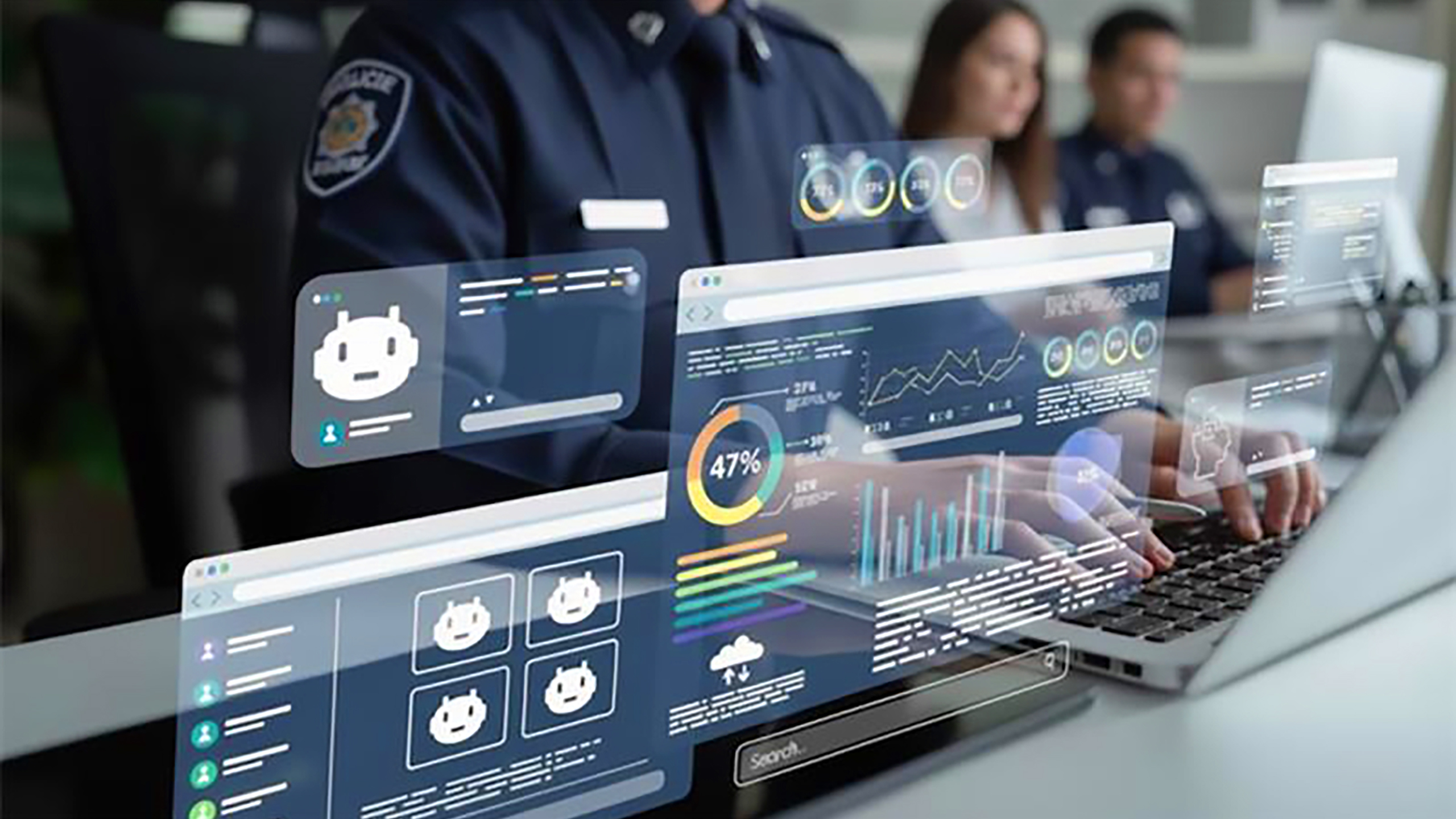
A look at how an AI-powered Multi-Agent Investigation Stack supports modern investigative teams by reducing cognitive load, streamlining analysis, and strengthening decision-making across public safety, AML, and threat monitoring workflows.
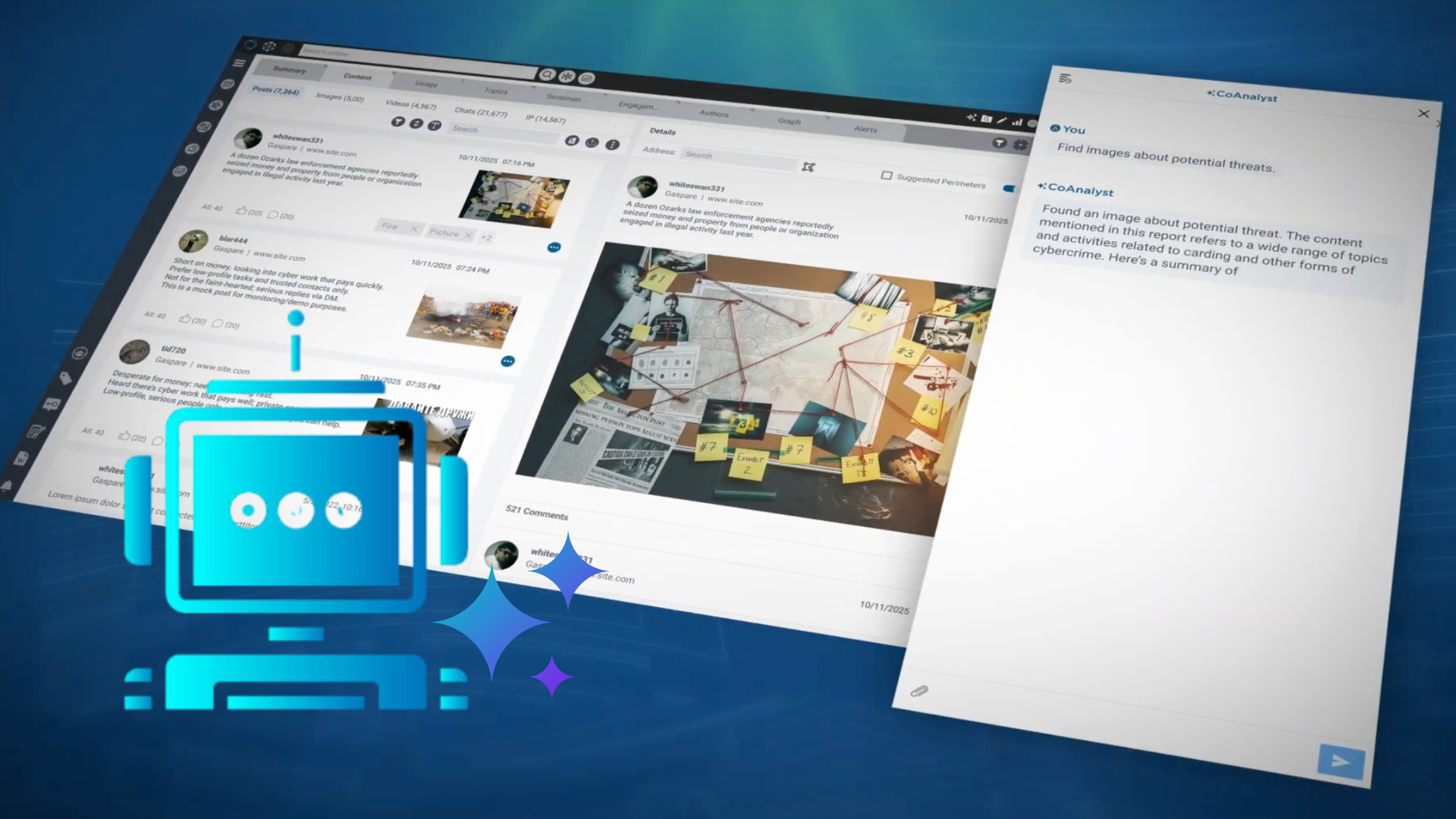
CoAnalyst brings generative AI into PLX to help investigators analyze data faster, surface key insights, and move through complex cases with more clarity.
Organized retail crime costs billions each year. See how OSINT and Penlink’s Tangles platform empower investigators to stop criminal networks faster.

At the National Mall, families and lawmakers united to raise awareness of the fentanyl crisis and highlight data-driven efforts to protect communities.
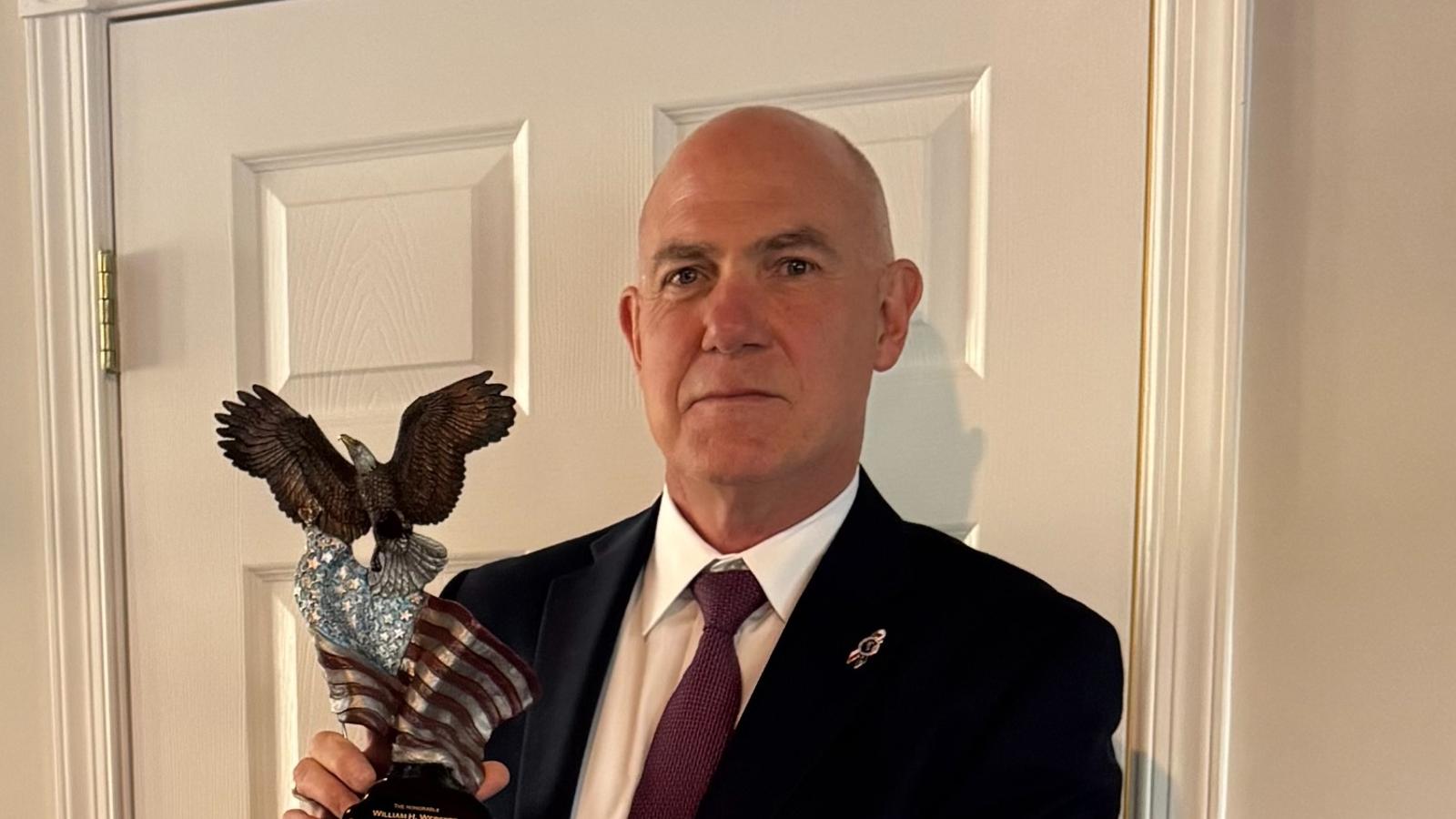
Penlink congratulates Derek Maltz on receiving the William H. Webster Profiles in Leadership Award, honoring his integrity, service, and longstanding commitment to public safety.