Your complete destination for Penlink training, with live sessions, on-demand modules, and certifications designed to give professionals the tools and confidence to succeed in real investigations.
Inside a Single Prompt: How CoAnalyst360 Runs a Multi-Step Investigation
Date Posted: August 15th, 2026
A single request can set off far more work than it appears to on the surface. CoAnalyst360 is built around this idea. An investigator submits one plain-language objective, and the system coordinates a series of steps behind it, rather than returning one narrow answer.
This matters because investigative work rarely fits into a single question. A real investigative objective usually touches several sources, several time frames, and several types of evidence at once. CoAnalyst360 is designed to hold all of that together automatically.
From a Point Query to an Objective
Traditional tools are built around point queries. An investigator asks a specific question and receives a different answer, one search at a time. Each new question becomes another step in a largely manual process.
An objective works differently. Instead of a single focused search, it describes an outcome the investigator wants to reach. CoAnalyst360 takes that objective, brings those pieces together, and works toward the larger objective, rather than requiring the investigator to map out and execute each one individually.
This shift changes what an investigator needs to know before they start. Instead of knowing exactly which search to run, they only need to know what they are trying to find out.
What Happens Behind a Single Prompt
Behind one plain-language request, CoAnalyst360 coordinates multiple investigative tasks at once. It identifies what the objective requires, works across the relevant sources, evaluates the results, and brings the findings back together for the investigator to review.
Because these tasks run together rather than one at a time, the process compresses work that would otherwise take an investigator a significant portion of a day, or longer, into a much shorter window. However, speed is only part of the value.
Important signals often exist across different sources and may not mean much when viewed independently. Bringing those signals together can reveal relationships, patterns, or connections that are difficult to recognize when investigators have to examine each source separately. Instead of simply making individual searches faster, CoAnalyst360 helps connect the work happening between those searches.
Case Context That Carries Forward
Traditional tools tend to reset with each new session, leaving investigators continually starting over.
CoAnalyst360 maintains case context across the investigation. Consequently, a new prompt builds on what the system already understands about the case and accelerates the work, rather than starting from zero each time.
This persistence is part of what makes a single objective possible in the first place. Without ongoing context, an investigator would still need to reintroduce the full case background before every request.
The Investigator’s Role Does Not Shrink
None of this removes the investigator from the process. CoAnalyst360 coordinates the work; it does not replace the judgment required to determine what the findings mean or how they should be used.
Results still need to be reviewed and verified, and every source is cited so it can be checked before it is used. That verification step is not optional, and it does not go away because the underlying work happened faster.
Within the Penlink platform, CoAnalyst360 is built to support that review rather than replace it, giving investigators a coordinated starting point instead of a finished conclusion.
One prompt can start a coordinated process. It still takes an investigator to decide what the results mean.
CoAnalyst360 turns a single investigative objective into a coordinated, multi-step process. Request a demo to see how it works with your case data.
A Placer County prosecutor and crime analyst walk through a fentanyl murder case and show how 1.2 terabytes of warrant returns became the exhibits that sent a dealer to prison for life.
The Penlink Training Summit returns to Omaha, Nebraska, March 8–10, 2027, bringing together investigators, analysts, agency leaders and security professionals for two and a half days of training, learning and collaboration.
Europol brought together investigators, analysts and open-source intelligence specialists from 12 countries for a four-day operation targeting human trafficking networks exploiting Ukrainian nationals online.
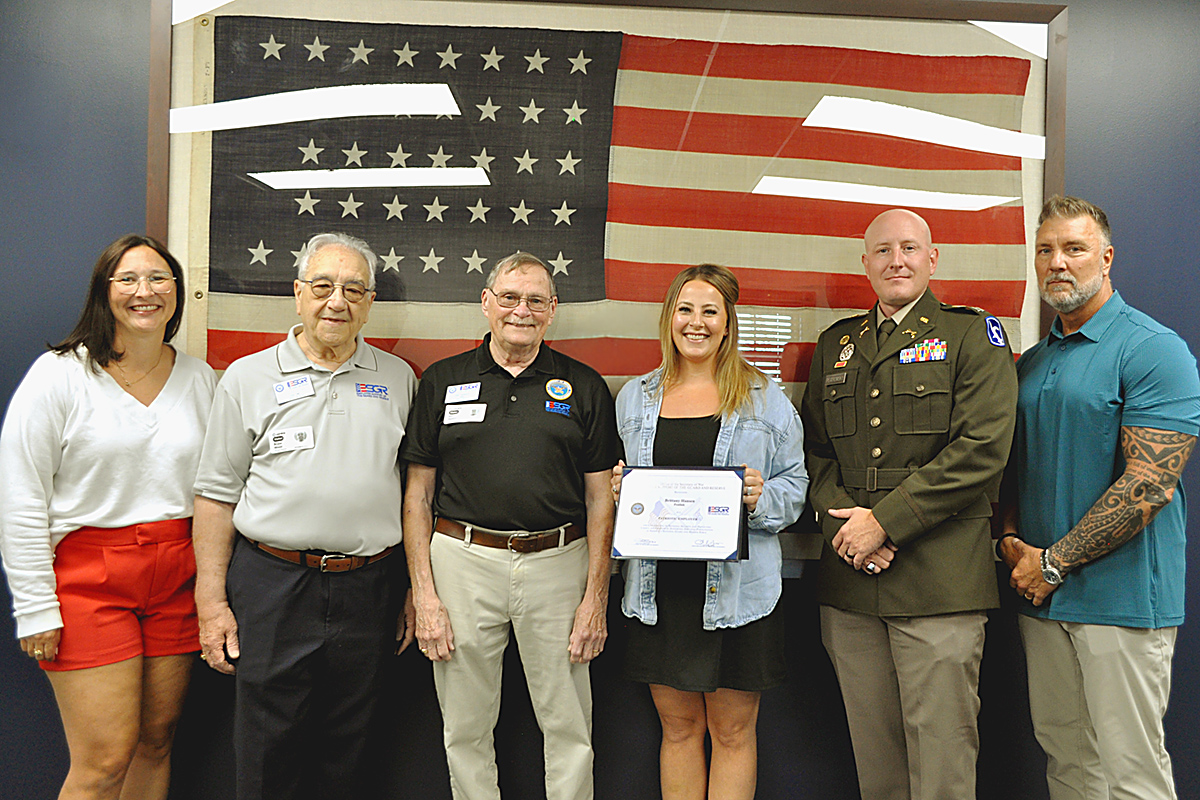
Penlink, a leading provider of digital intelligence solutions for law enforcement, national security, defense and enterprise organizations, announced today that Training Manager Brittany Hansen was presented with the Patriot Award from the Employer Support of the Guard and Reserve (ESGR), a Department of War program.
Chicago police and the U.S. Marshals Service teamed up this spring. Their goal: find missing juveniles fast. Over ten days in May, Operation Safe Return Chicago located 30 missing kids across the city.
A Lake County, Florida jury found two men guilty on drug trafficking and related charges tied to a 2022 investigation into narcotics sales across the Leesburg, Mount Dora, and Fruitland Park area.