
Social Media Intercepts: When Suspects Move Platforms
When suspects move a conversation from a phone call to a messaging app, the most important intelligence often moves with it. Here is why continuity matters in live investigations.
Platform Overview
See why Penlink is the global leader in AI-powered digital intelligence and investigations




Penlink Academy
Your complete destination for Penlink training, with live sessions, on-demand modules, and certifications designed to give professionals the tools and confidence to succeed in real investigations.




Criminal communication rarely stays in one place. A conversation may begin on a traditional phone call and, within moments, move to a messaging application or social media platform, sometimes because the people involved believe another channel offers greater privacy. That shift is why social media intercepts have become a critical part of live investigations.
This pattern has become common enough that experienced monitors recognize it immediately. However, a sense of privacy does not make the communication any less valuable. What matters is whether the legal authority extends to it.
Targets may change how they communicate when a conversation becomes sensitive. Someone who is guarded on a traditional call may suggest continuing the discussion through an application they perceive as more private or secure.
The perception of privacy, rather than actual privacy, tends to drive this behavior. Because of that gap, investigations without social media intercepts can miss the moment the most significant information is shared.
In one investigation, monitors observed a conversation move from a phone call to a messaging platform the target believed offered greater privacy.
As the communication continued on the new platform, investigators identified information indicating a specific and imminent threat to public safety.
Because the necessary legal authority was already in place for those communications, investigators were able to act on the intelligence. Law enforcement responded to the location identified through the communications and intervened before the threatened act occurred.
The example demonstrates why continuity can matter so much during a live investigation. When the conversation moves, the most important intelligence may move with it.
Telephony and social media intercepts each offer distinct advantages. A phone line often delivers information in true real time, while a social platform may deliver it in short intervals. However, this does not make one option inherently more valuable than the other.
As a result, many agencies find the strongest outcomes come from monitoring both simultaneously. When a target switches channels, investigators with visibility into both are far less likely to lose the thread.
Additionally, keeping both streams together helps investigators connect what was said on each channel.
Because platform shifts happen without warning, readiness matters as much as capability. Agencies benefit from having the legal groundwork for social media intercepts in place before a critical moment.
Furthermore, training monitors to recognize a shift as it happens helps ensure no part of the conversation is missed.
When a conversation moves, the investigation has to move with it.
Penlink’s PLX Connect brings telephony and social media collection into a single monitoring environment, so investigators do not lose the thread when a conversation changes platforms. Request a demo.
When suspects move a conversation from a phone call to a messaging app, the most important intelligence often moves with it. Here is why continuity matters in live investigations.
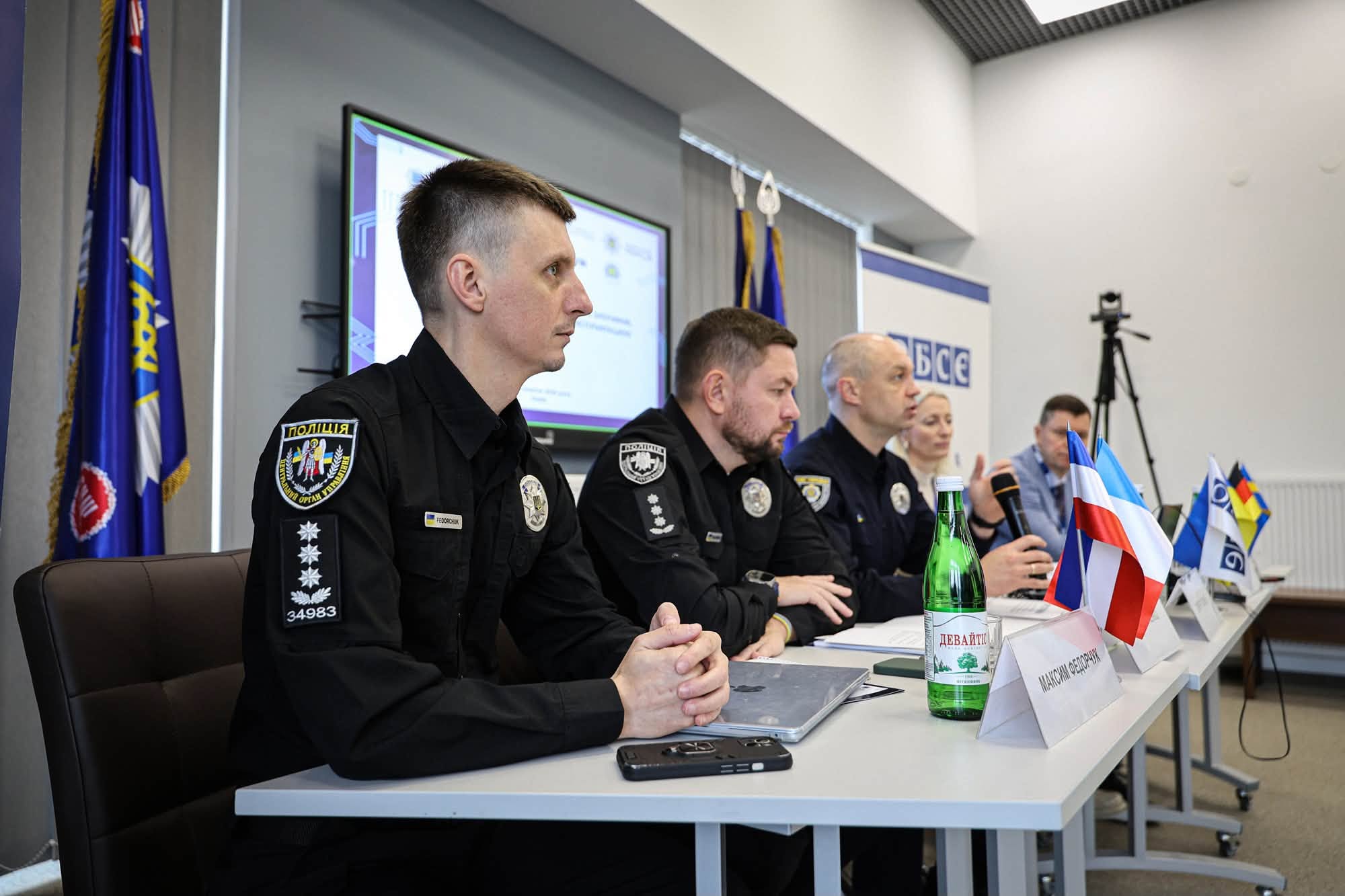
Ten children were identified as potential victims of online sexual exploitation during a five-day hackathon in Lviv, Ukraine, where Penlink trained the investigators doing the work.

Most threats to executives and sites take shape in public first. Here is how GSOC teams can read that trail early and act on it.
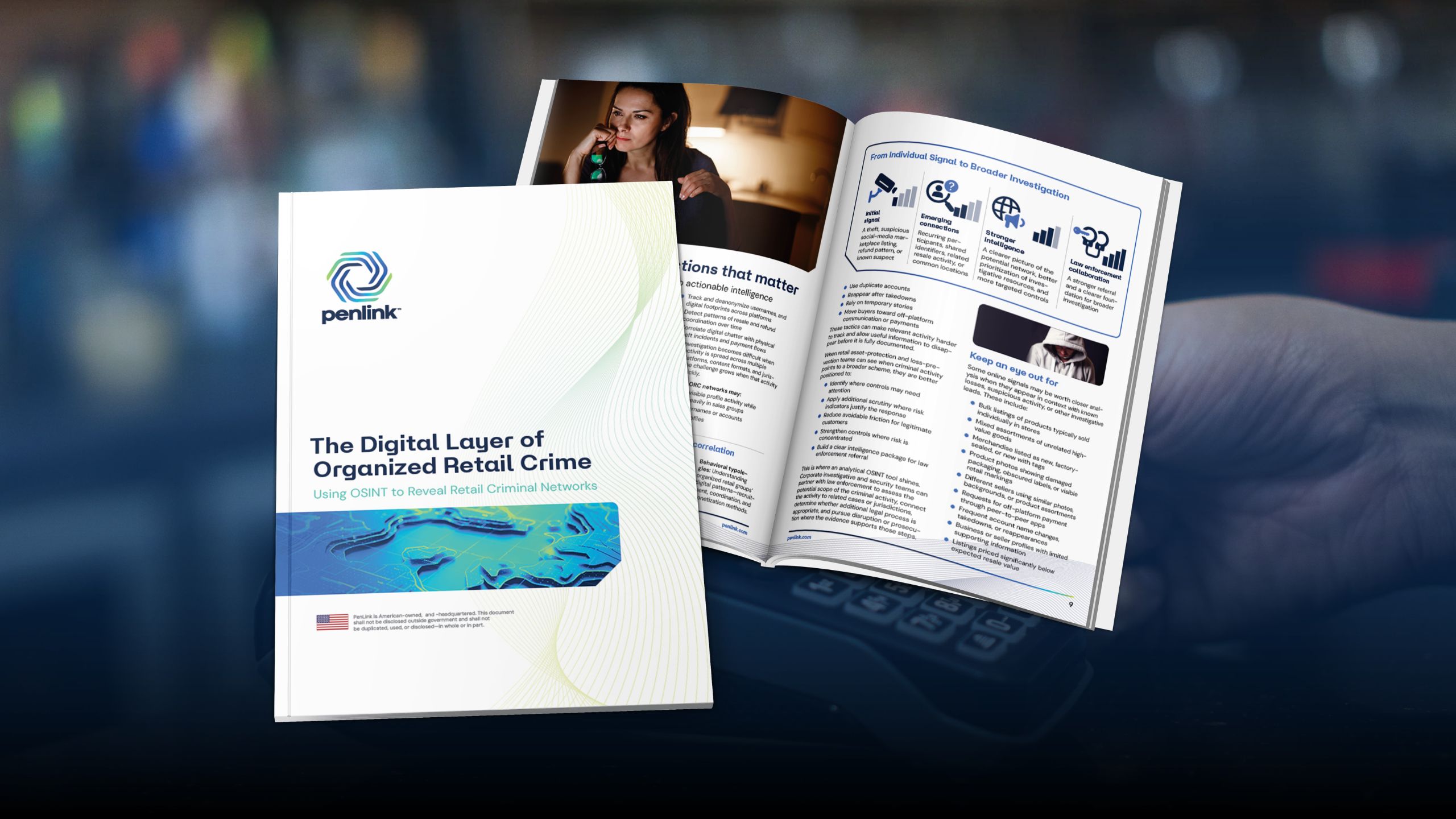
Organized retail crime networks move stolen goods and scale fraud through online marketplaces and messaging channels. This white paper shows how loss-prevention teams can connect individual incidents to the networks behind them.

Small boat crossings are the visible end of a much larger trade. This post looks at how open-source intelligence helps investigators see the networks behind them.

A single theft can be a one-off or the visible edge of an organized network. Retail and law enforcement teams need to know which one they are facing.