Human-Machine Teaming: Why the Analyst Still Asks the Next Question
Analysts no longer struggle to find information. They struggle to find the right information fast enough to matter, and that is where human-machine teaming changes the work.
Platform Overview
See why Penlink is the global leader in AI-powered digital intelligence and investigations




Penlink Academy
Your complete destination for Penlink training, with live sessions, on-demand modules, and certifications designed to give professionals the tools and confidence to succeed in real investigations.




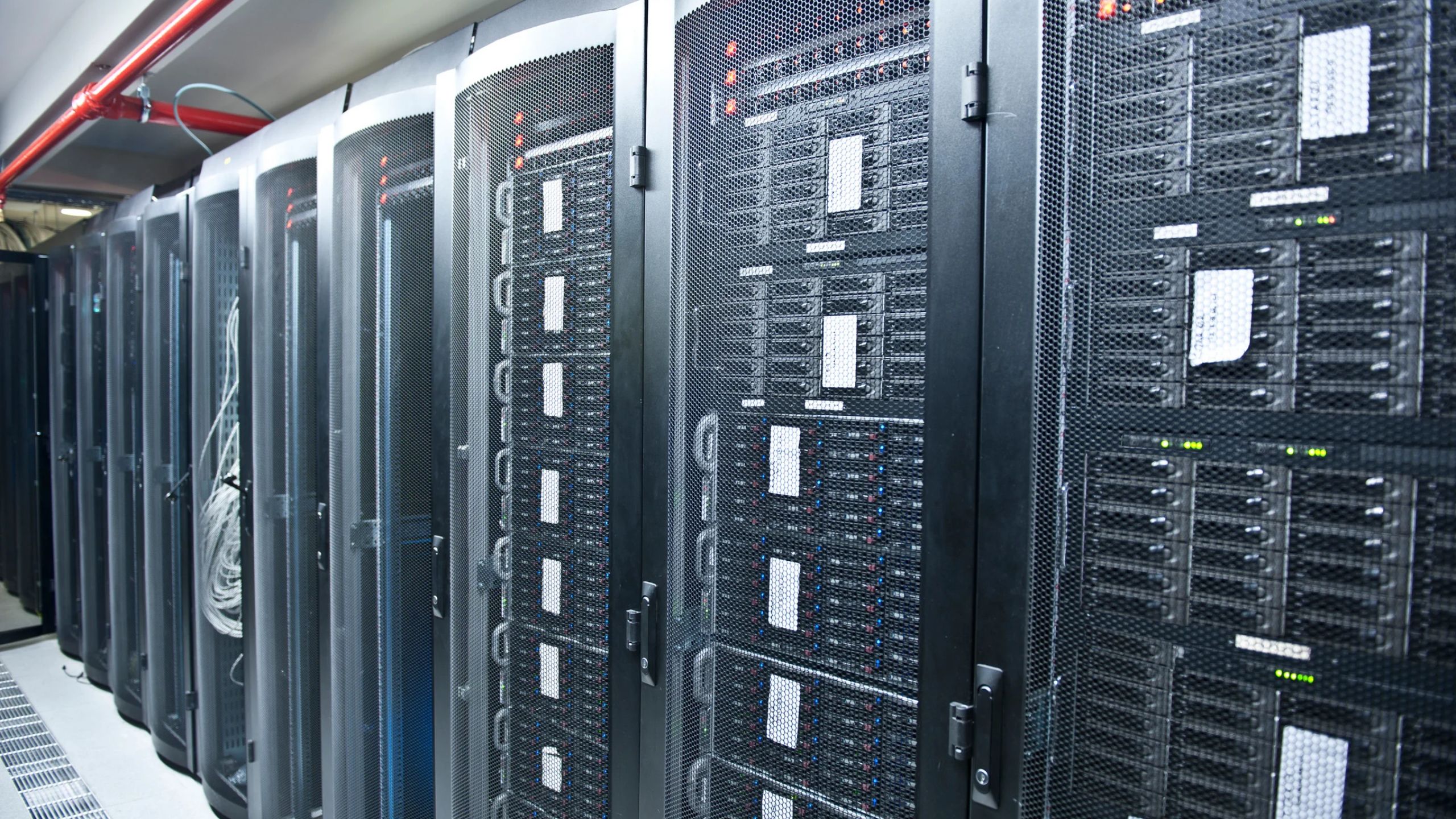
Data center security has become one of the most pressing challenges in critical infrastructure. The AI boom is pulling hundreds of billions of dollars into new construction. As a result, data centers now rank among the most contested and targeted facilities in the world.
The threats they face span physical sabotage, foreign military strikes, organized protest, and market-moving outages. Therefore, these sites need the same intelligence-driven approach organizations already use to protect executives and corporate campuses. Most threats to a facility leave traces in open sources before they surface physically. Open-source intelligence is how security teams see them first.
Opposition to new data centers has grown quickly, and some of it has turned criminal. In April 2026, a handwritten note at a Northern Virginia construction site warned that a dozen pipe bombs would detonate within 30 minutes. Workers fled, and bomb-detection teams searched the site. The threat proved empty, but it was far from isolated.
Recent reporting documents bomb threats, evacuations, and death threats against officials tied to data center projects across the country. One Virginia county alone has logged at least nine bomb threats in less than a year. Meanwhile, local officials who approve projects increasingly find themselves named in online threats.
The risk is not limited to domestic unrest. In March 2026, drone strikes damaged cloud data centers in the Gulf region. The strikes disrupted core services for customers that included financial institutions. Because the damage was physical, the affected sites still could not be restored six months later.
Each of these incidents followed signals that appeared online first. Public grievances, named targets, and calls to action were visible before anyone arrived at a gate.
Concentration risk sits at the center of the problem. A small number of hyperscale operators carry a large share of critical workloads. Therefore, a disruption at one site can cascade across healthcare, finance, and government services that depend on it.
The cost of downtime raises the stakes further. Even without an attack, failures carry a heavy business impact. According to recent industry research on downtime, organizations see an average 3.4% drop in stock price after a downtime event.
Visibility adds a third layer of exposure. Construction permits, zoning disputes, job postings, and local news coverage make new sites easy to research. That openness serves communities and investors, but it serves adversaries just as well.
Much of the information that supports an attack is already public. Satellite and street-level imagery, drone footage, and geotagged photos can reveal far more about a site than its operators intend.
Employees and contractors add to that picture, often without realizing it. Badge photos, workplace selfies, shift details, and vendor names regularly appear on social media and professional networks. Additionally, public filings such as building permits, utility agreements, and environmental submissions can expose layouts and project timelines.
Activist and extremist mobilization is the fastest-moving source. Community opposition, anti-AI sentiment, and online calls to action often attach to specific sites and specific people. Because this activity happens in public, it gives defenders a chance to see it early.
Effective defense starts with an honest look at what is already public. Enterprise security teams can review the same open sources an adversary would. From there, they can catalogue imagery, filings, and posts that reveal sensitive facility details.
The next step is reducing that footprint. Regular reviews of corporate and employee accounts help remove images of badges, equipment, floor plans, and identifiable interiors. Furthermore, clear social media guidance for staff and contractors keeps new exposure from building up.
Coverage also needs to extend past the organization itself. Vendors, contractors, and logistics partners can expose site information that the operator does not control. As a result, supply chain partners belong in every exposure review.
Exposure reviews address what a facility reveals. Monitoring addresses what is building around it. Local news, forums, and social channels often surface early signs of protests, labor actions, and localized threats. They can also flag supply chain disruption and severe weather near each site.
Those signals deliver the most value inside the global security operations center (GSOC). When operators see open-source signals alongside physical security alerts, they can anticipate incidents instead of reacting to them. Consequently, response teams gain time, which is often the scarcest resource during an event.
Insider risk deserves the same attention. Within legal and policy limits, teams can watch for leaked credentials, exposed internal documents, or grievance signals. However, this work requires clear governance so that monitoring stays focused, proportionate, and defensible.
Fences, cameras, and guards remain essential. Still, they respond to threats that have already arrived. Intelligence identifies those threats while there is still time to act.
For security leaders, this changes the order of operations. Data center security starts with understanding what is visible and who is paying attention. It also means tracking how sentiment around a site is shifting. Physical controls then follow that picture rather than lead it.
Data center security starts long before the perimeter.
To see how Tangles and CoAnalyst360 help security teams detect and analyze threats to critical facilities, request a demo.
Analysts no longer struggle to find information. They struggle to find the right information fast enough to matter, and that is where human-machine teaming changes the work.

A bomb threat texted to 911 during a World Cup match at MetLife Stadium led to a rapid multi-agency response and an arrest. The case shows how quickly event security teams must move from threat to answer.
Las amenazas contra los centros de datos van desde amenazas de bomba hasta ataques con drones. La mayoría aparece primero en fuentes abiertas, para los equipos que saben dónde buscar.
Threats to data centers now range from bomb threats to drone strikes. Most of them show up in open sources first, for teams that know where to look.

Penlink analysts walk through a real investigation into a suspected Albanian organised crime group, using open-source data in Tangles and CoAnalyst360 and evidence-based analysis in PLX to surface poly-criminal connections.

A Placer County prosecutor and crime analyst walk through a fentanyl murder case and show how 1.2 terabytes of warrant returns became the exhibits that sent a dealer to prison for life.