Your complete destination for Penlink training, with live sessions, on-demand modules, and certifications designed to give professionals the tools and confidence to succeed in real investigations.
What SOC2 Compliance Actually Means for Law Enforcement Technology
Date Posted: May 25th, 2026
When agencies evaluate new technology, security and compliance is one of the first questions that comes up and one of the least understood. SOC2 compliance in law enforcement technology is not a marketing label. It is an independently verified standard that tells agencies exactly how a vendor handles data security, availability, and confidentiality. Understanding what it covers is essential before any tool touches sensitive case data.
The push to adopt digital tools has accelerated across law enforcement. Investigations move fast, and the demand for AI-assisted analysis, cloud platforms, and integrated data tools has grown significantly across state and local agencies. However, speed of adoption without due diligence on security creates risk. Understanding the requirements behind SOC 2 compliance, and knowing the right questions to ask vendors, is a critical part of that due diligence process.
What SOC2 Compliance Means for Law Enforcement Technology
SOC2 is a security framework developed by the American Institute of Certified Public Accountants. It is not self-reported. A SOC2 report is produced by an independent auditor who evaluates whether a technology vendor has the controls in place to protect the data it handles. For law enforcement agencies handling sensitive investigative information, that independent verification is especially important.
The framework is built around five Trust Service Criteria: security, availability, processing integrity, confidentiality, and privacy. Not every vendor pursues all five. The minimum requirement for a SOC2 report is the security criterion, which covers how a vendor protects its systems against unauthorized access. Simply hearing that a vendor is “SOC 2 compliant” is not enough. Agencies should ask what specific controls were evaluated and which standards were included in the audit scope, not just whether a report exists.
There are also two types of SOC2 reports. A Type I report evaluates whether controls are designed appropriately at a single point in time. A Type II report evaluates whether those controls operated effectively over a defined period, typically six to twelve months. For agencies handling sensitive investigative data, a Type II report provides significantly stronger assurance.
Why This Standard Matters When Agencies Adopt New Tools
Law enforcement agencies handle some of the most sensitive data in the public sector. Case files, communications records, subject information, and digital evidence all carry legal weight and operational risk. When that data moves through a third-party platform, the vendor becomes part of the chain of custody for data security. A SOC2 compliant platform means that a vendor’s controls for protecting that data have been formally evaluated and tested.
Additionally, compliance failures at the vendor level can have downstream consequences for an agency. Data breaches, unauthorized access, or failures in audit logging can compromise the integrity of an investigation and create legal exposure. Therefore, security compliance is not just an IT concern. It is a case integrity concern.
Furthermore, as agencies face increasing scrutiny over how they manage data, being able to demonstrate that the tools used in an investigation meet an independent security standard adds a layer of accountability. That accountability matters in courtroom settings, in public oversight conversations, and in internal chain-of-command reporting.
What to Look for in a Compliant Law Enforcement Platform
SOC2 certification is a baseline, not a ceiling. Agencies should look at how a vendor integrates compliance into the product itself. Audit trails, access controls, encryption at rest and in transit, and role-based permissions are not optional features in a law enforcement context. They are foundational requirements.
Access controls deserve particular attention. A platform used by investigators, analysts, and agency leadership should allow administrators to define who can access specific data, and maintain a log of every access event. As a result, if a data integrity question arises later, there is a clear and complete record.
Agencies should also ask about incident response. SOC2 audits evaluate a vendor’s incident response readiness. A vendor who cannot explain their incident response process in plain terms is a vendor worth scrutinizing further. Compliance on paper and operational readiness are not always the same thing.
The Procurement Conversation Agencies Should Be Having
Most procurement processes for law enforcement technology focus on functionality: what the platform can do, how quickly it delivers results, and which data sources or integrations it supports. Security compliance often comes later in the conversation, if at all. However, for any platform that will handle case data, communications records, or investigative intelligence, compliance should enter the initial evaluation.
Agencies can request SOC2 reports directly from vendors. A vendor who resists sharing their report or deflects with vague language about security programs should raise concerns. Legitimate compliance documentation is produced for exactly this purpose: to give prospective customers the information they need to make an informed decision.
Questions worth asking in any vendor evaluation include: Has your platform completed a SOC2 Type II audit? Which Trust Service Criteria were included in the assessment? How is investigative data stored, protected, and accessed within the system? What does your audit log capture, and how long are logs retained? These are not technical questions reserved for IT teams. They are operational questions that investigators and agency leadership should be comfortable asking, because the answers affect every case the platform touches.
SOC2 Compliance and AI-Powered Investigative Tools
The emergence of AI-assisted analysis platforms in law enforcement has added a new layer to the security compliance conversation. When a platform uses large language models or generative AI to process case data, agencies need to understand how investigative data is protected within shared environments. Is it sent to a third-party model provider? Is it retained for training purposes? How is it isolated from other users of the same platform?
SOC2 compliant law enforcement platforms that incorporate AI should be able to answer these questions clearly. Encryption, data isolation, and access controls apply to AI processing pipelines just as they do to traditional data storage. While the technology itself may be evolving rapidly, the expectations around data protection have not changed.
For agencies adopting tools like AI-assisted data analytics platforms for investigative work, understanding how the vendor has addressed these questions is part of responsible adoption. The value of faster, more connected analysis depends on the security of the data being analyzed.
Compliance is not a formality. It is the foundation that makes everything else trustworthy.
See how Penlink builds security compliance into the tools investigators rely on every day. Request a demo.
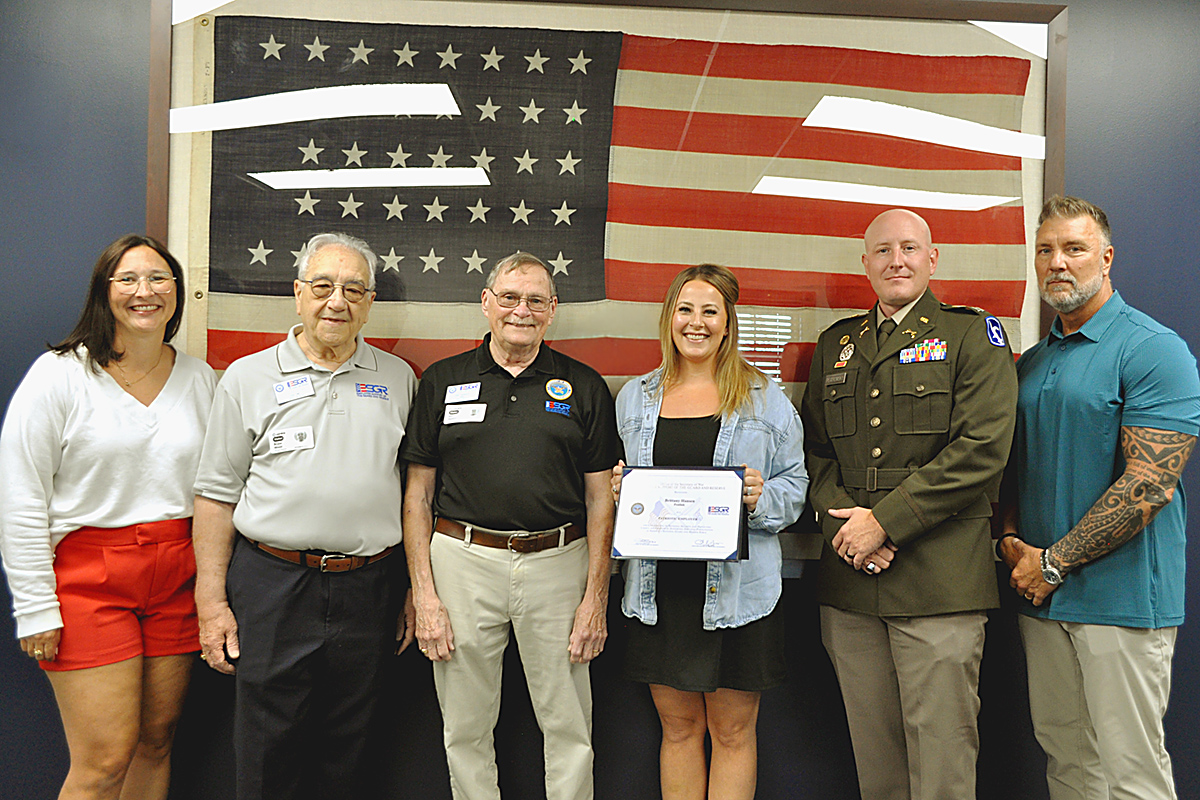
Penlink, a leading provider of digital intelligence solutions for law enforcement, national security, defense and enterprise organizations, announced today that Training Manager Brittany Hansen was presented with the Patriot Award from the Employer Support of the Guard and Reserve (ESGR), a Department of War program.
The Department of Homeland Security announced the results of a nationwide crackdown on human trafficking coordinated around the 2026 FIFA World Cup. Homeland Security Investigations (HSI), the DHS Center for Countering Human Trafficking, and federal, state, and local partners arrested 905 suspects and rescued 180 victims — 150 adults and 30 juveniles — across World Cup host cities.
The U.S. Marshals Service announced the conclusion of Operation Meridian, a month-long, multi-agency effort that located and recovered 79 reported missing and endangered children across Ohio, ranging in age from 6 to 17. Officials described it as the largest missing child operation in the state’s history.
A multi-agency investigation in Volusia County, Florida, has led to the dismantling of a major fentanyl and methamphetamine trafficking network, with 49 people arrested and hundreds of grams of narcotics seized.
The Nebraska State Patrol says a routine traffic stop earlier this month led to what investigators believe is the largest drug seizure in the agency’s history. Governor Jim Pillen joined NSP to detail the case, along with a second, unrelated stop that turned up stolen commercial equipment.
Foreign influence campaigns increasingly pair disinformation with cyber intrusion. This post looks at what that convergence means for investigators tracking coordinated state-linked activity.